High-quality 3D assets at affordable prices — trusted by designers, engineers, and creators worldwide. Made with care to be versatile, accessible, and ready for your pipeline.
Included File Formats
This model is provided in 13 widely supported formats, ensuring maximum compatibility:
• – FBX (.fbx) – Standard format for most 3D software and pipelines
• – OBJ + MTL (.obj, .mtl) – Wavefront format, widely used and compatible
• – STL (.stl) – Exported mesh geometry; may be suitable for 3D printing with adjustments
• – STEP (.step, .stp) – CAD format using NURBS surfaces
• – IGES (.iges, .igs) – Common format for CAD/CAM and engineering workflows (NURBS)
• – DAE (.dae) – Collada format for 3D applications and animations
• – glTF (.glb) – Modern, lightweight format for web, AR, and real-time engines
• – 3DS (.3ds) – Legacy format with broad software support
• – 3ds Max (.max) – Provided for 3ds Max users
• – Blender (.blend) – Provided for Blender users
• – SketchUp (.skp) – Compatible with all SketchUp versions
• – AutoCAD (.dwg) – Suitable for technical and architectural workflows
• – Rhino (.3dm) – Provided for Rhino users
Model Info
• – All files are checked and tested for integrity and correct content
• – Geometry uses real-world scale; model resolution varies depending on the product (high or low poly)
• • – Scene setup and mesh structure may vary depending on model complexity
• – Rendered using Luxion KeyShot
• – Affordable price with professional detailing
Buy with confidence. Quality and compatibility guaranteed.
If you have any questions about the file formats, feel free to send us a message — we’re happy to assist you!
Sincerely,
SURF3D
Trusted source for professional and affordable 3D models.
More Information About 3D Model :
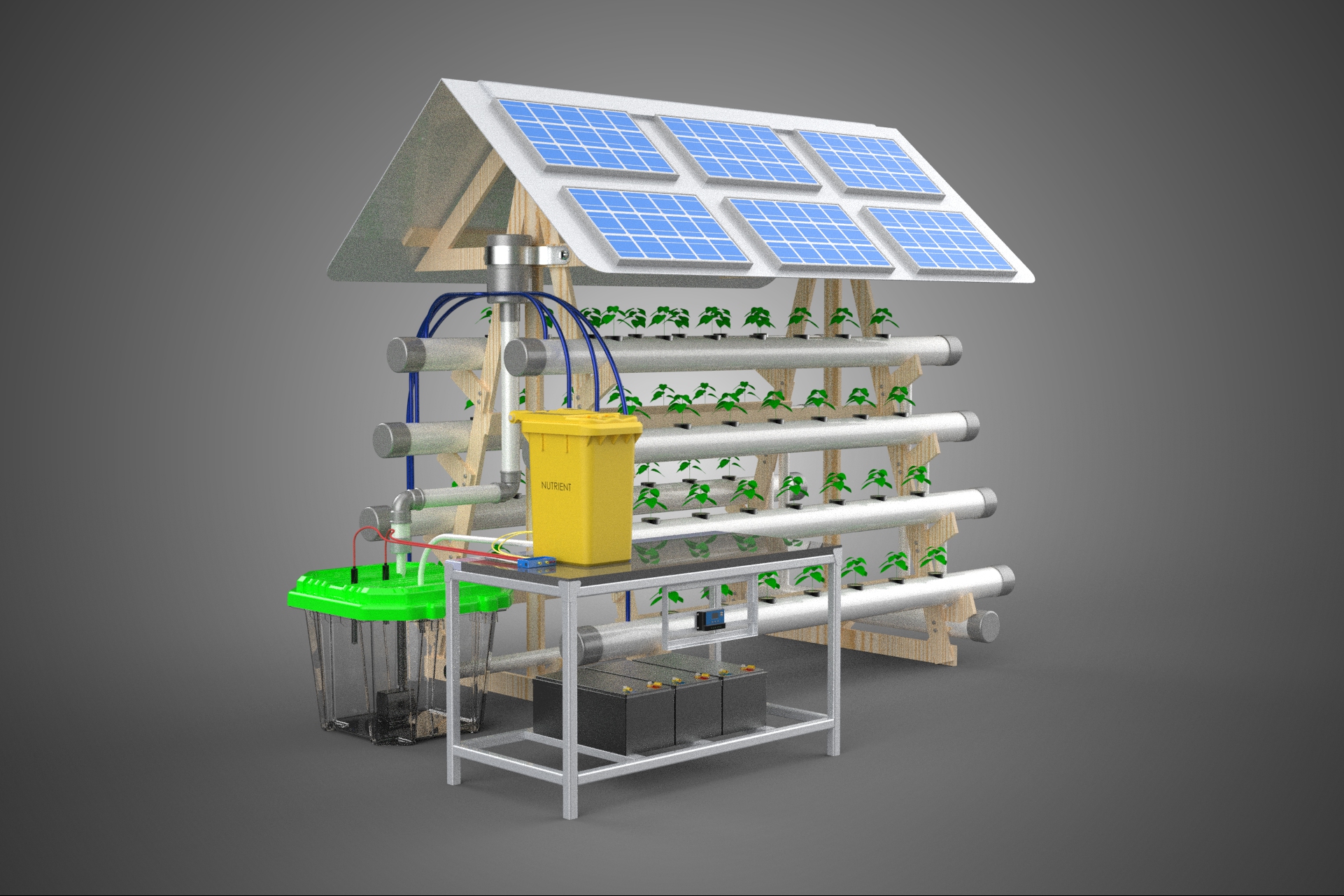
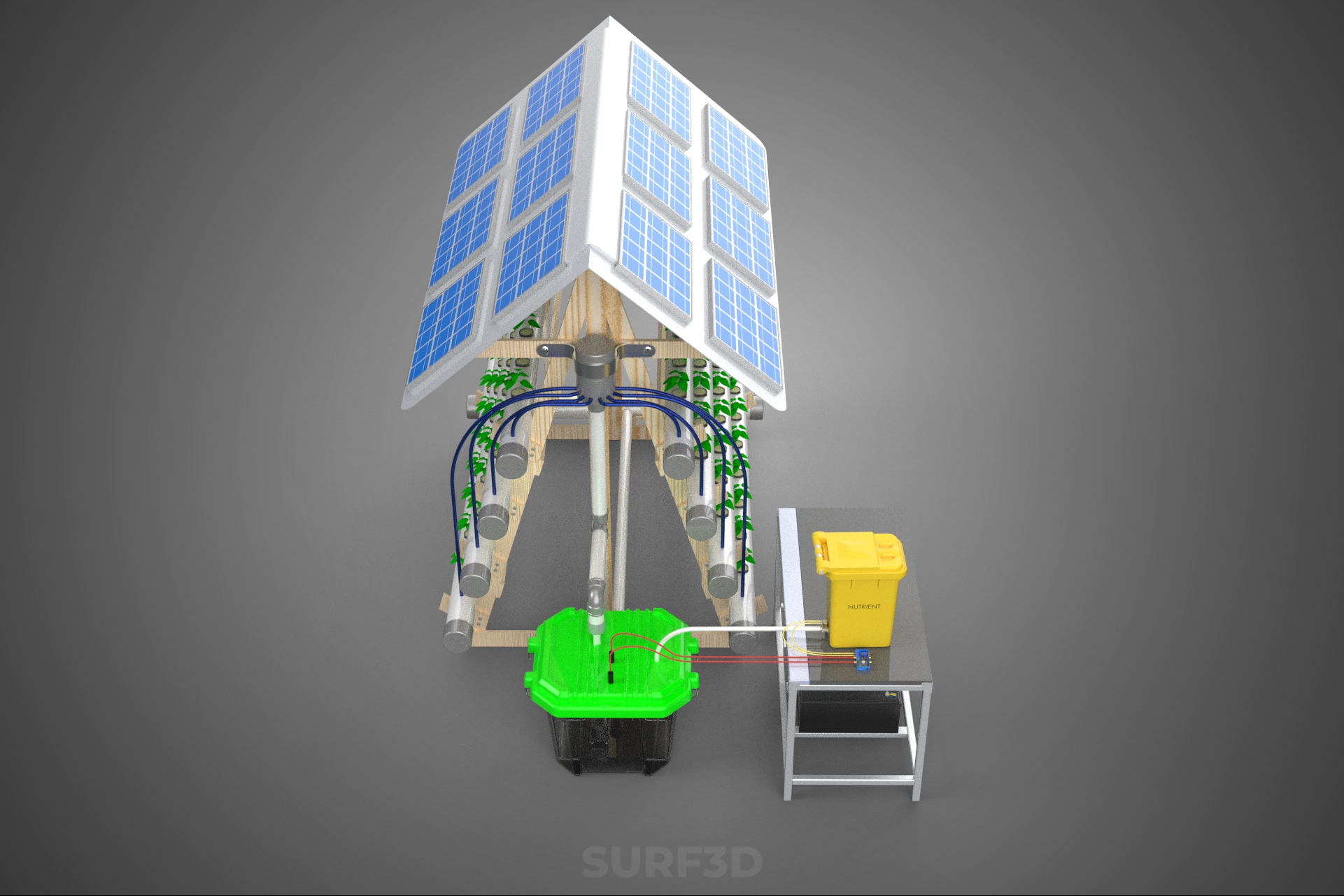
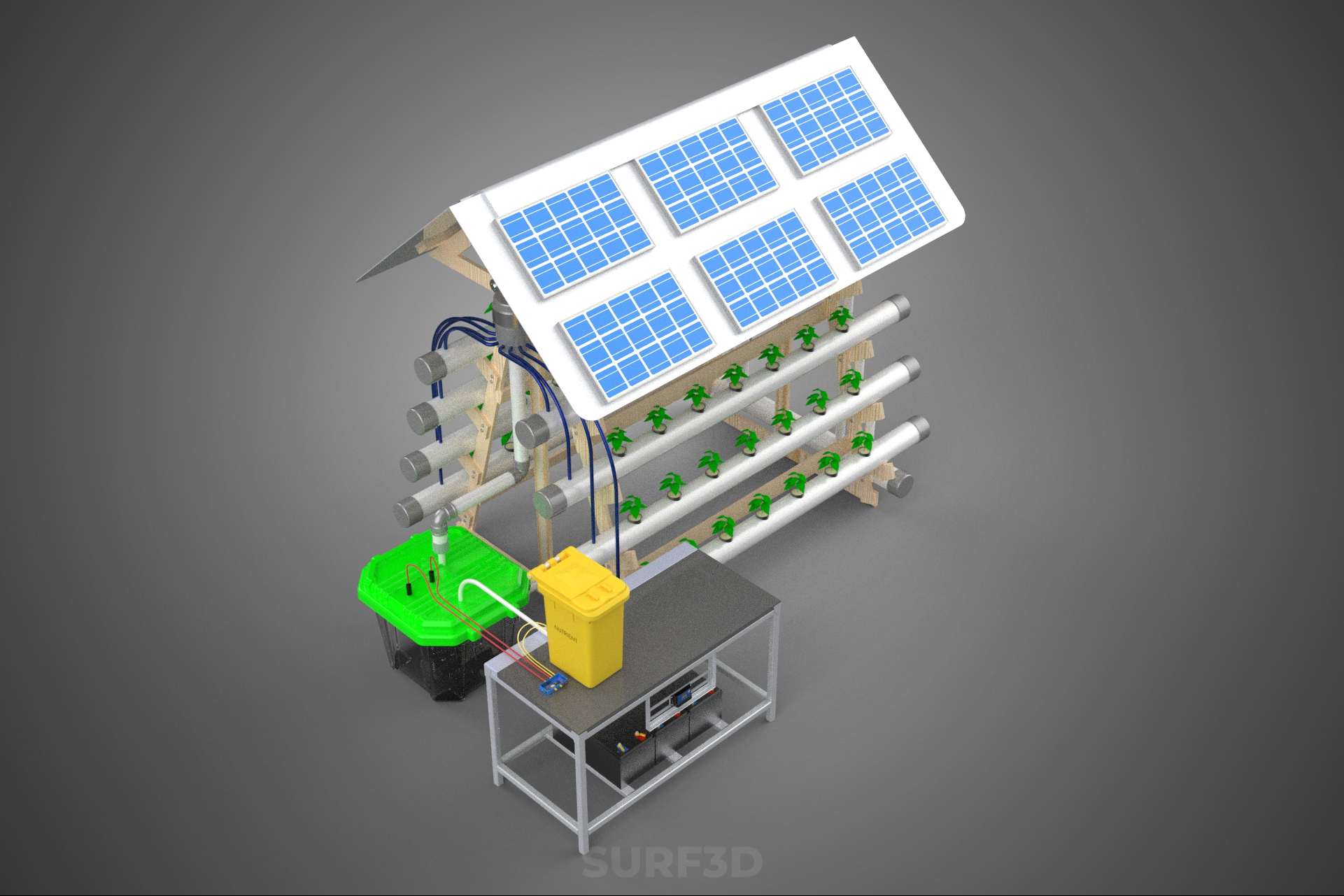
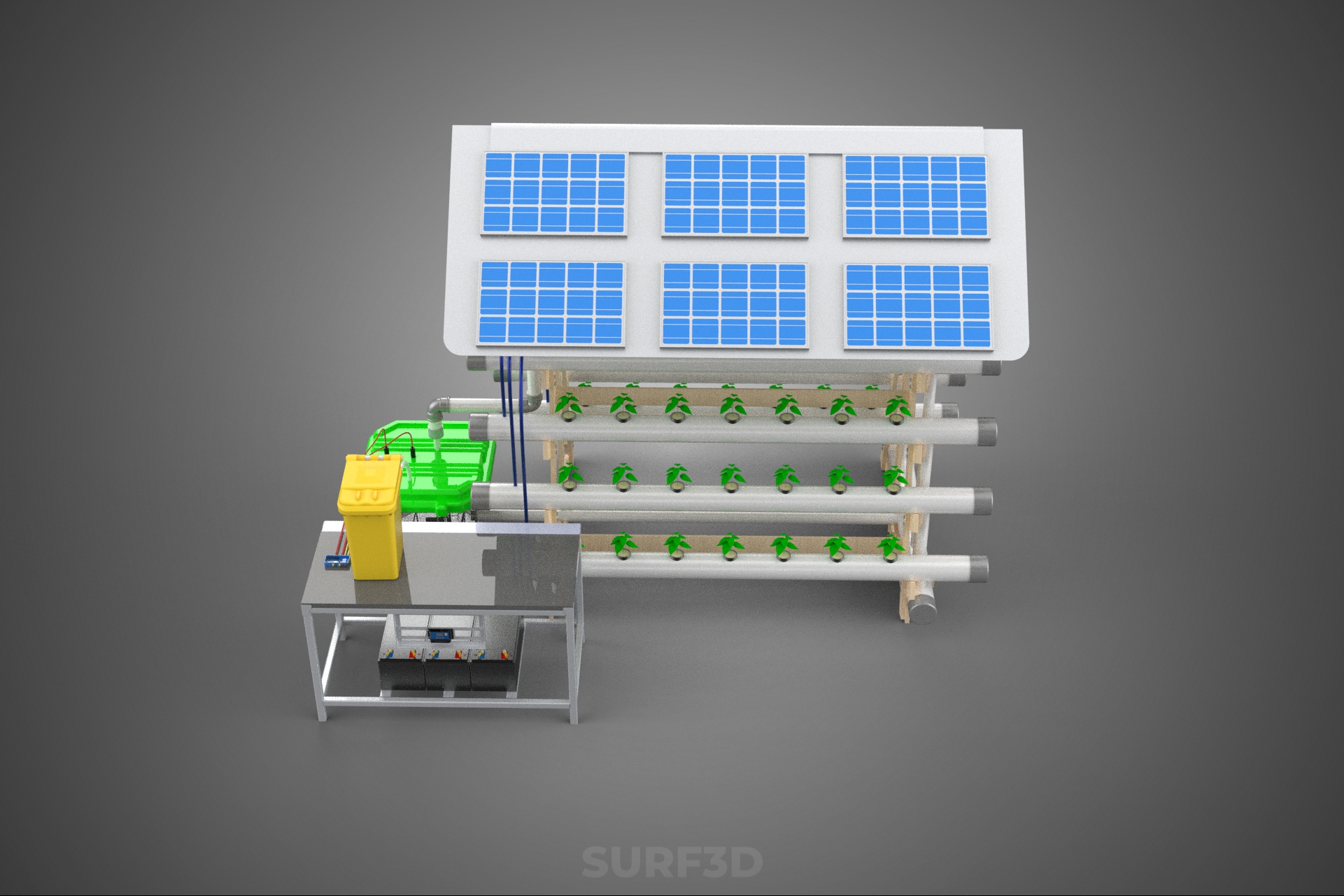
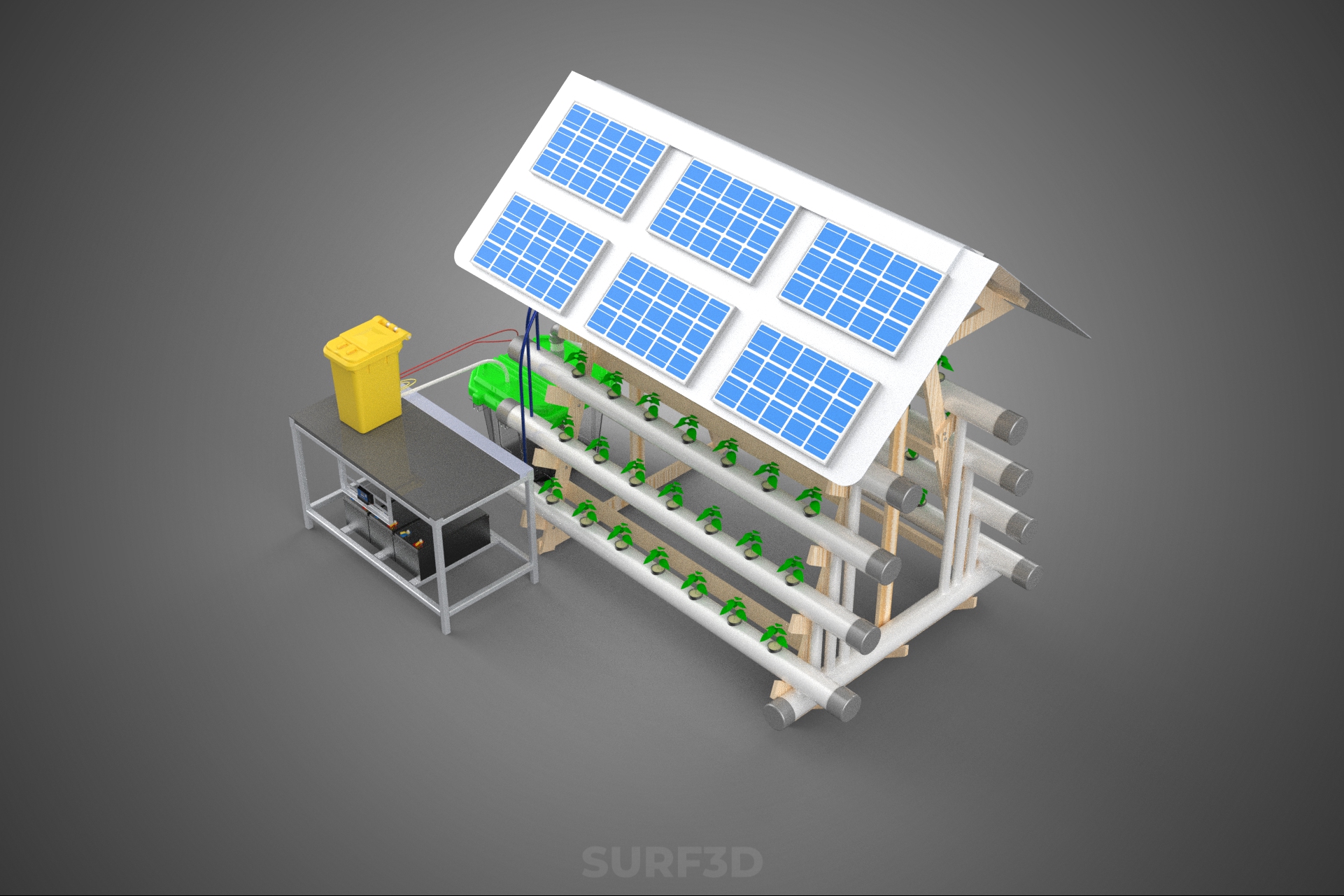
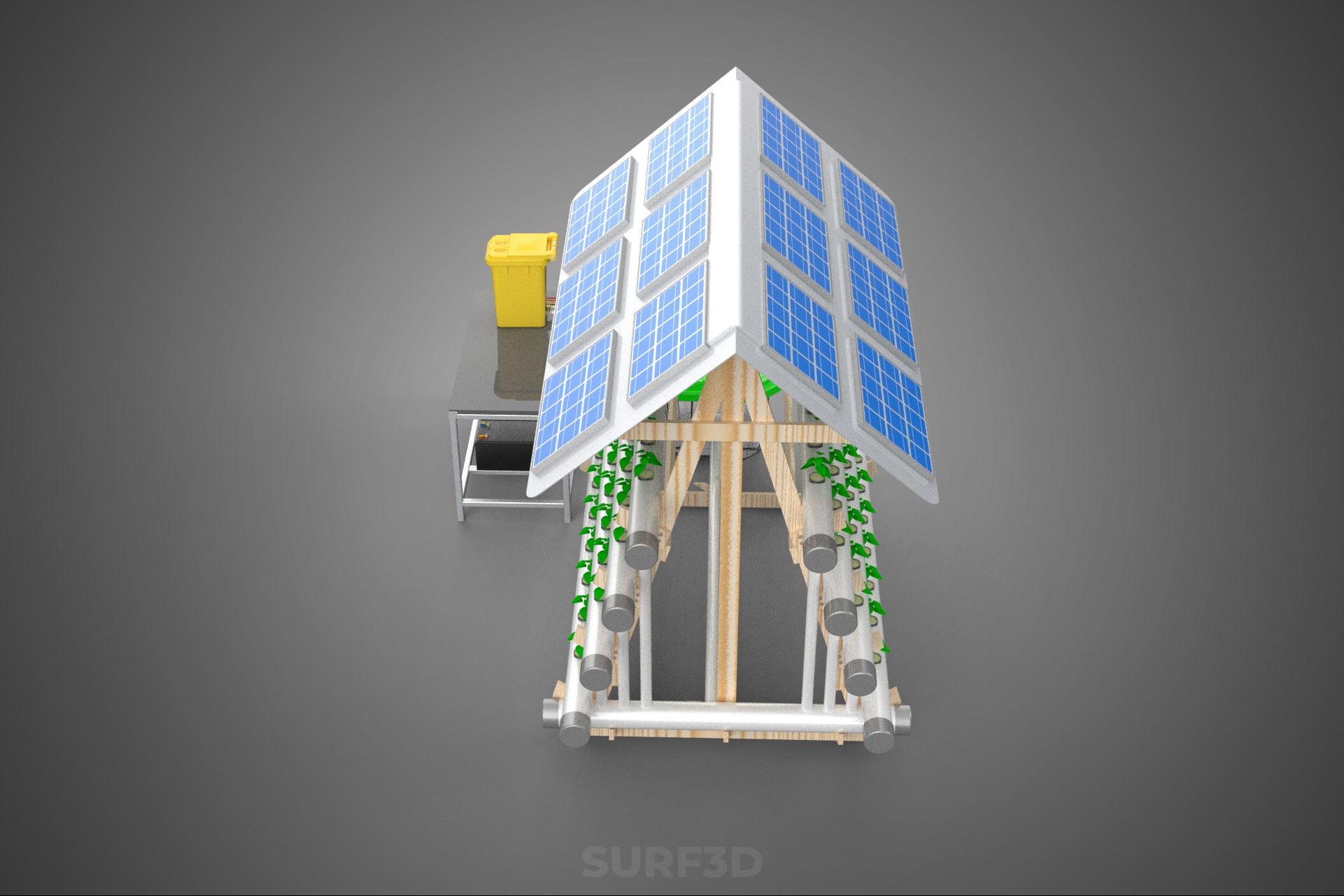
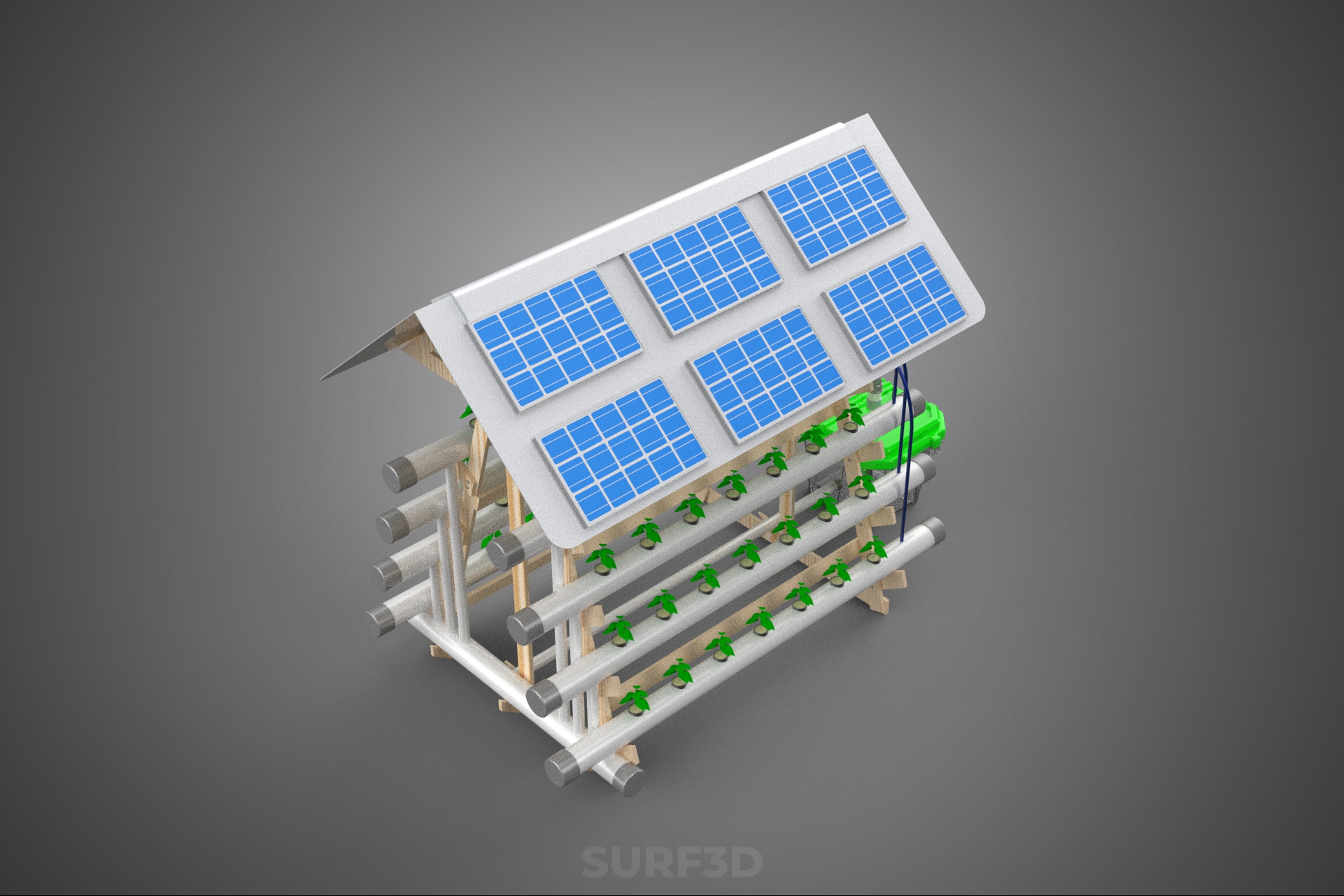
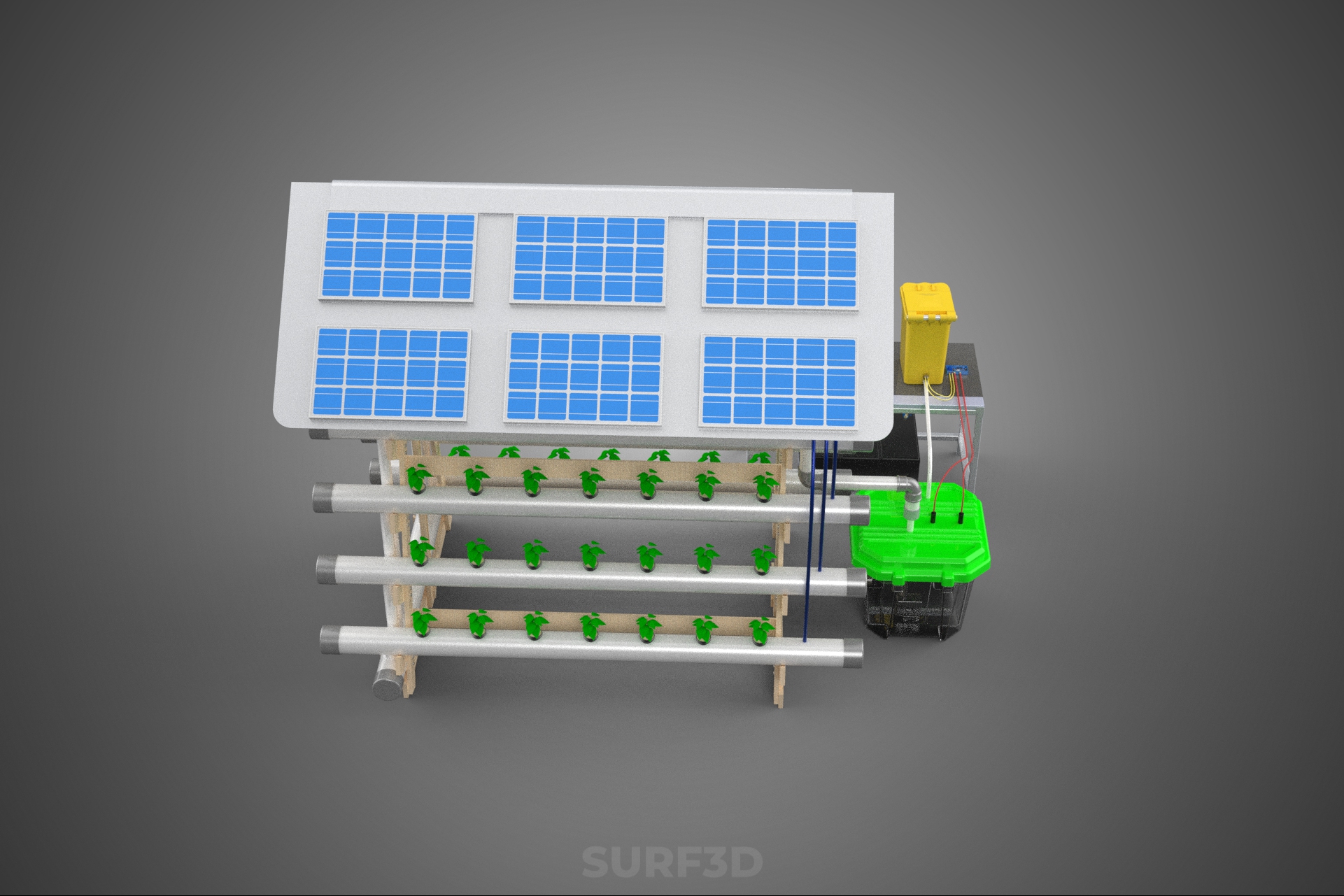
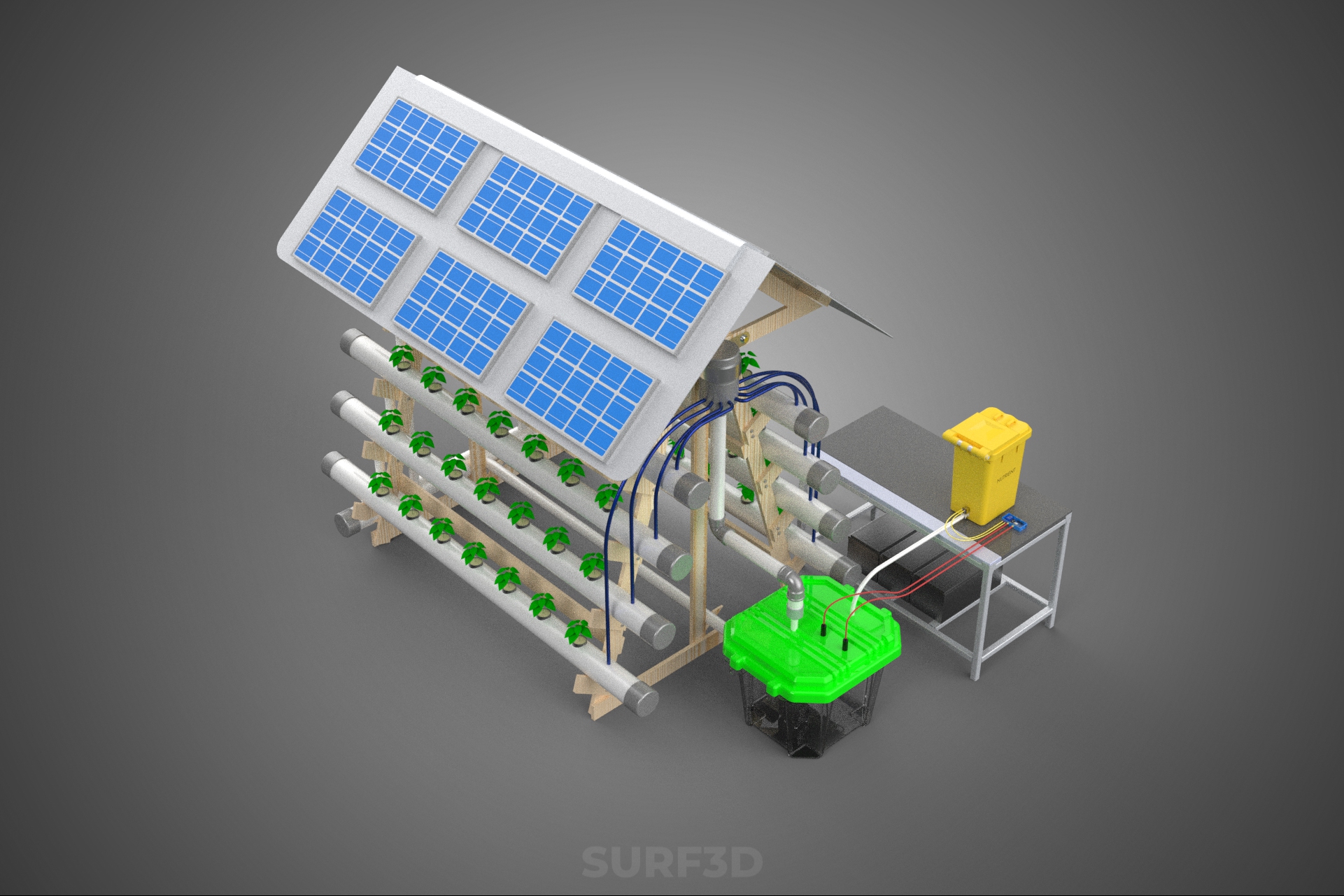
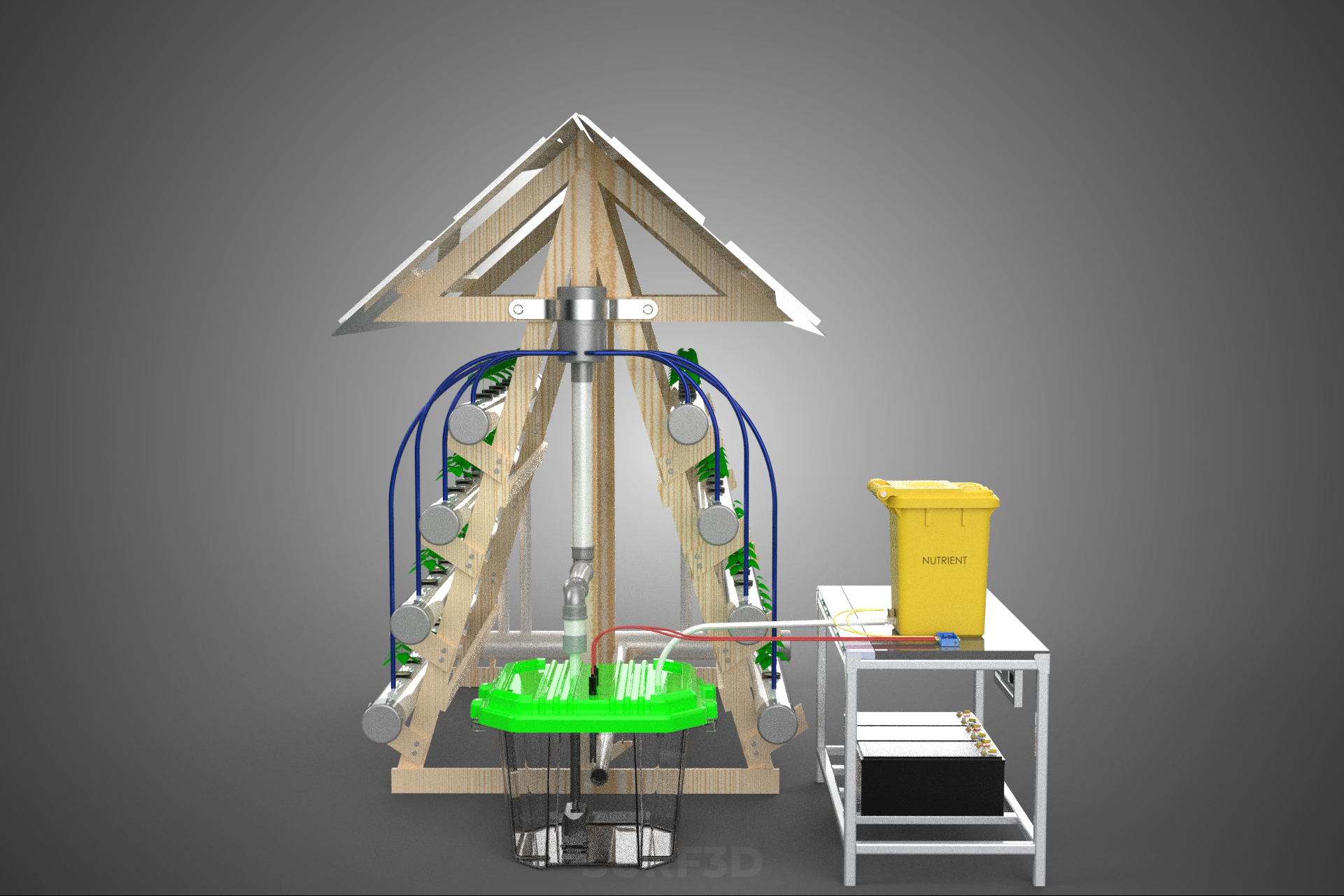
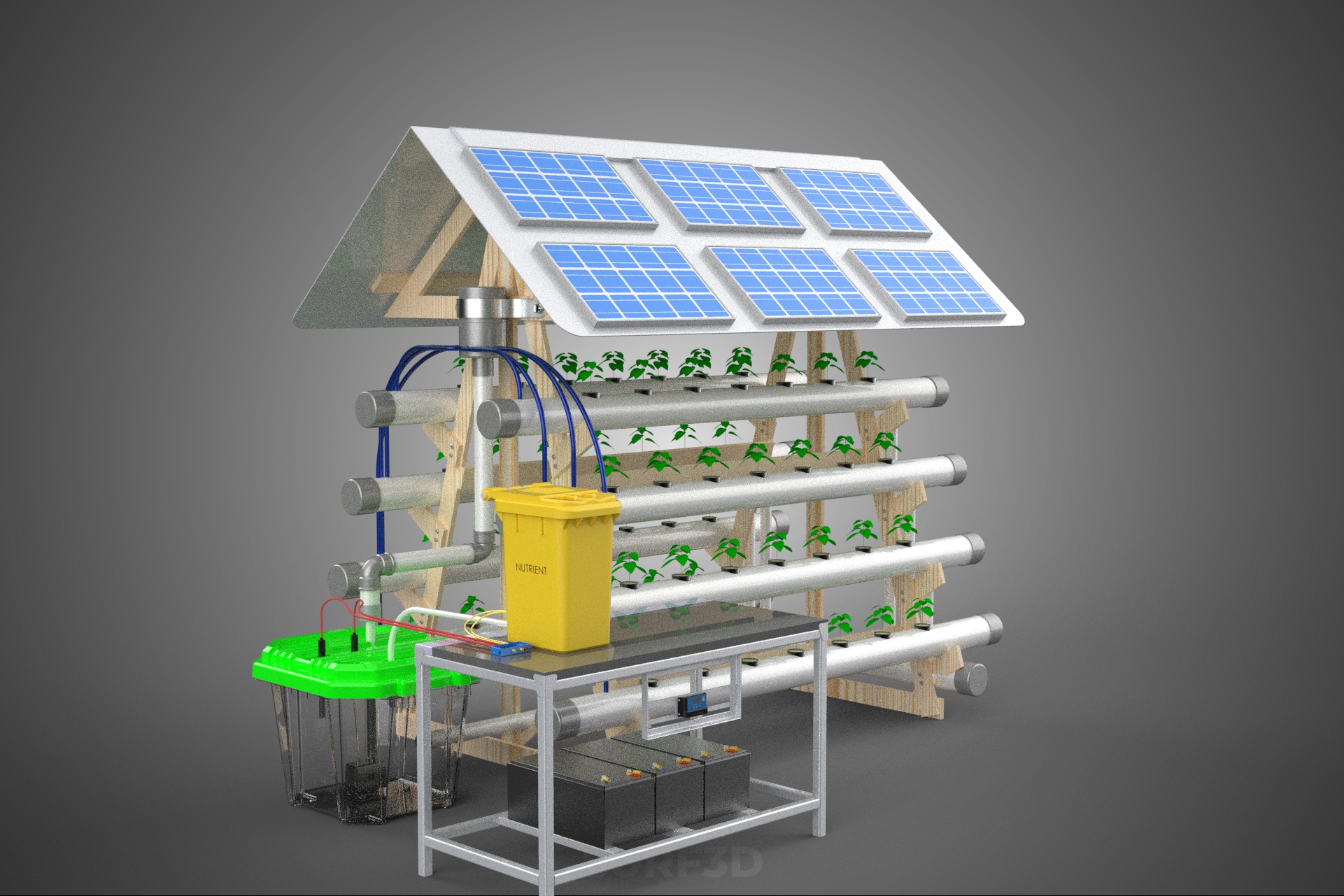
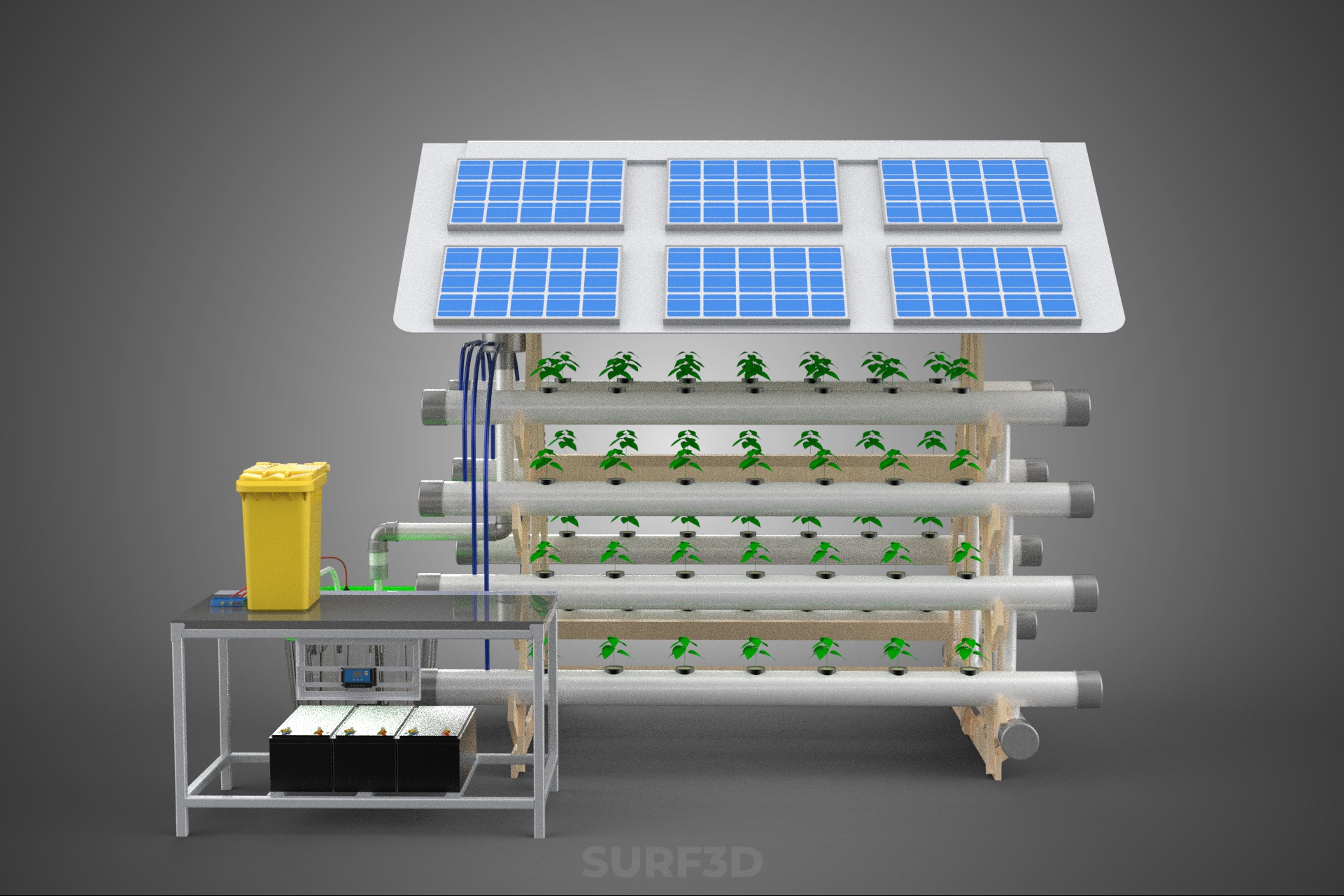
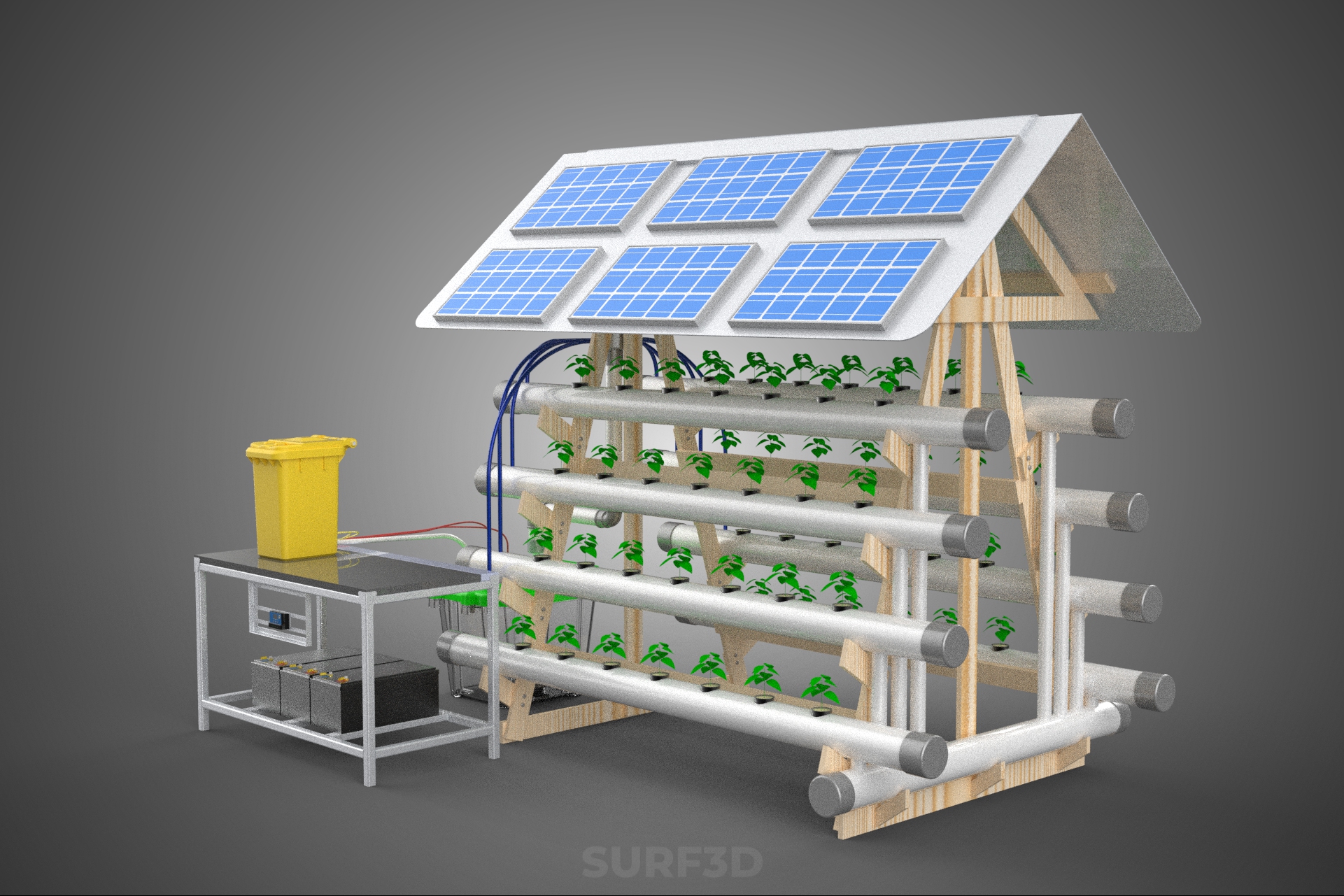
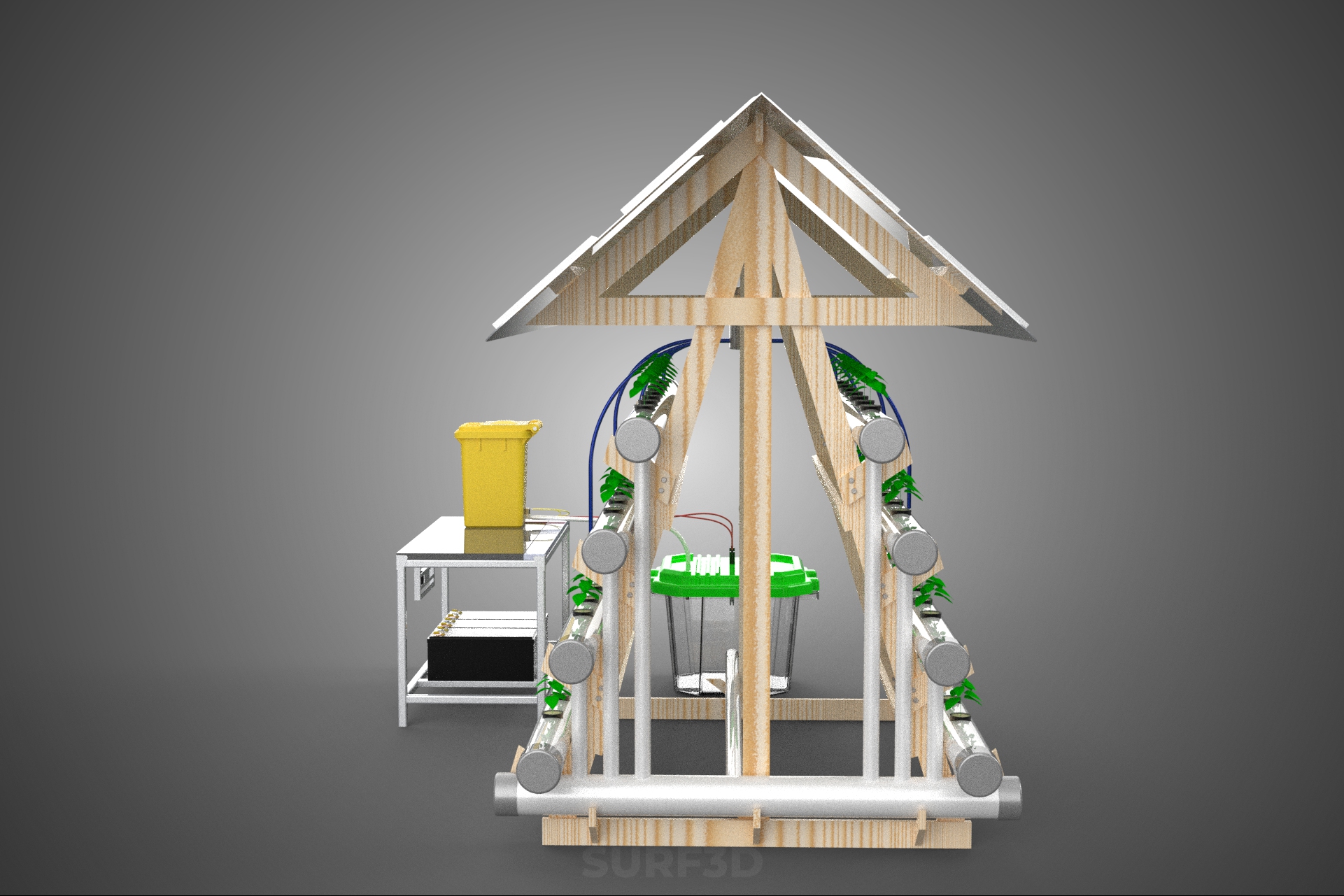
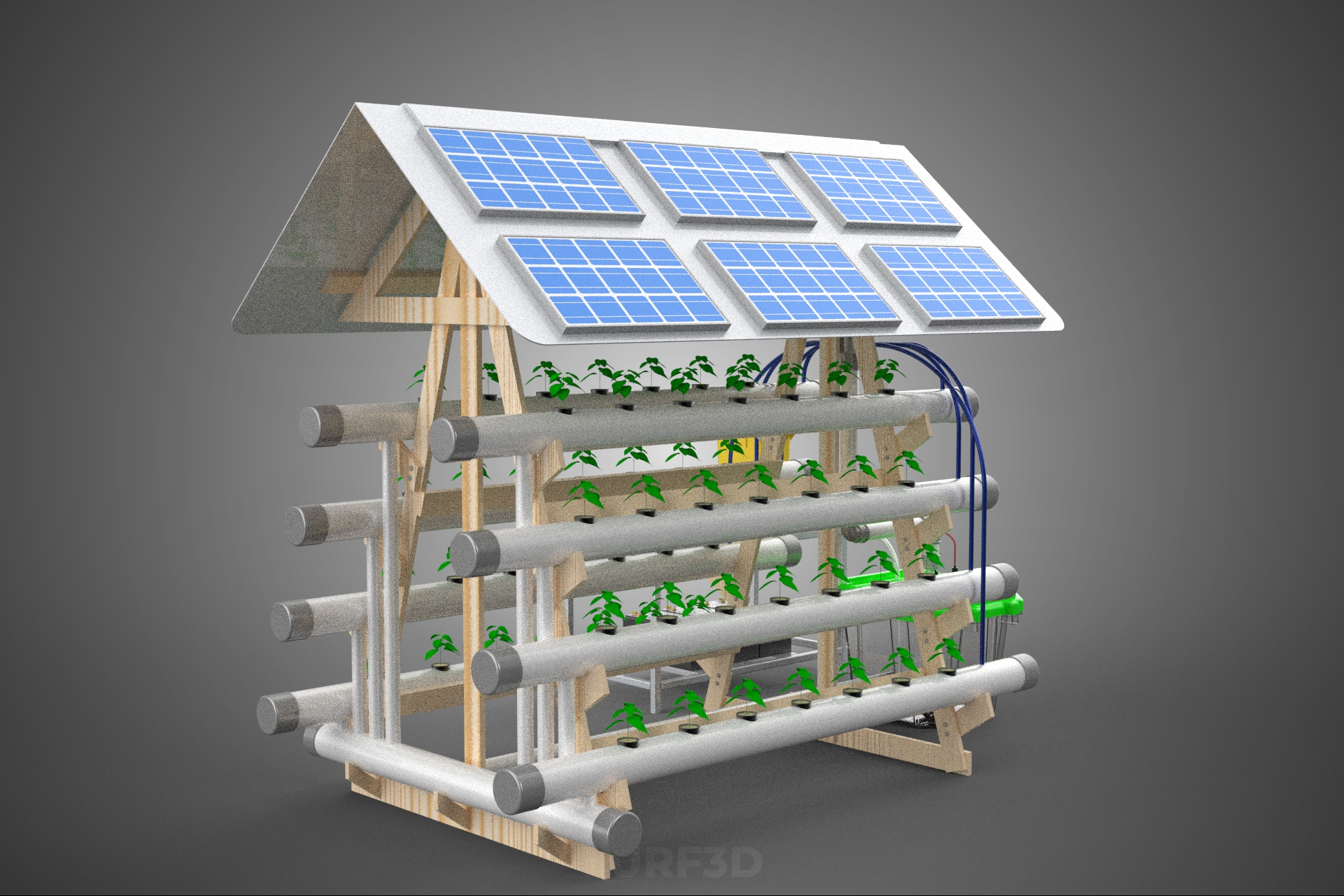
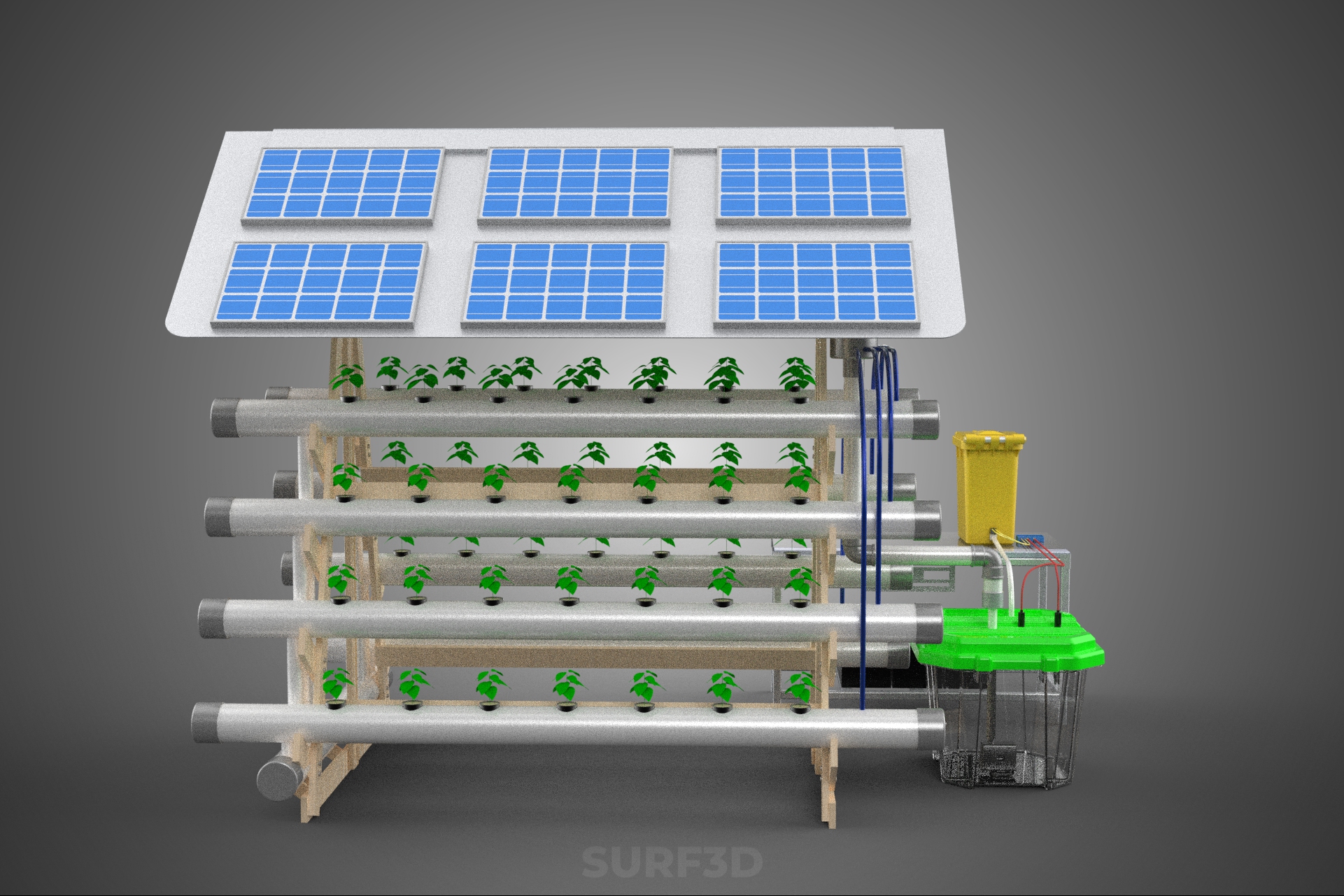
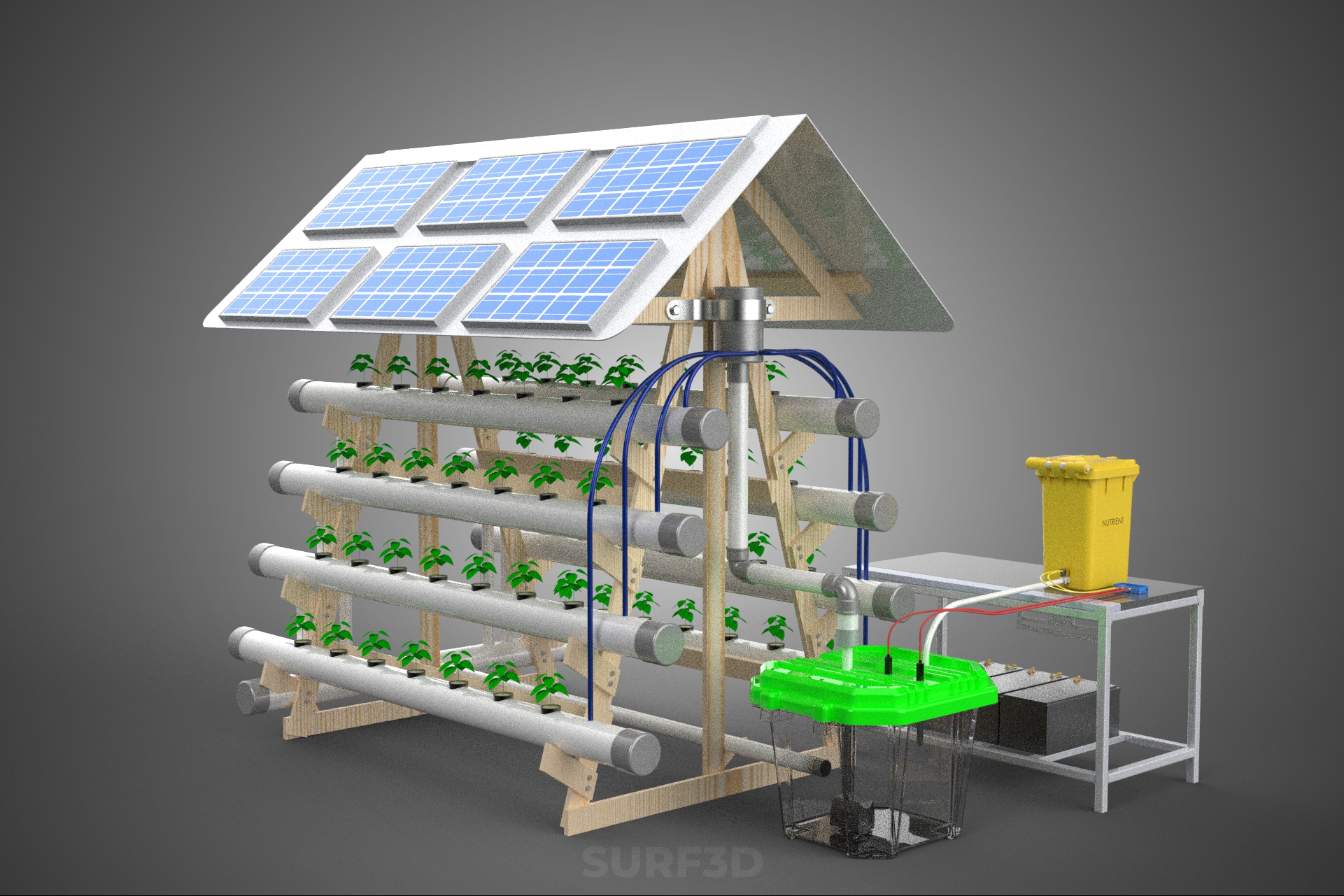
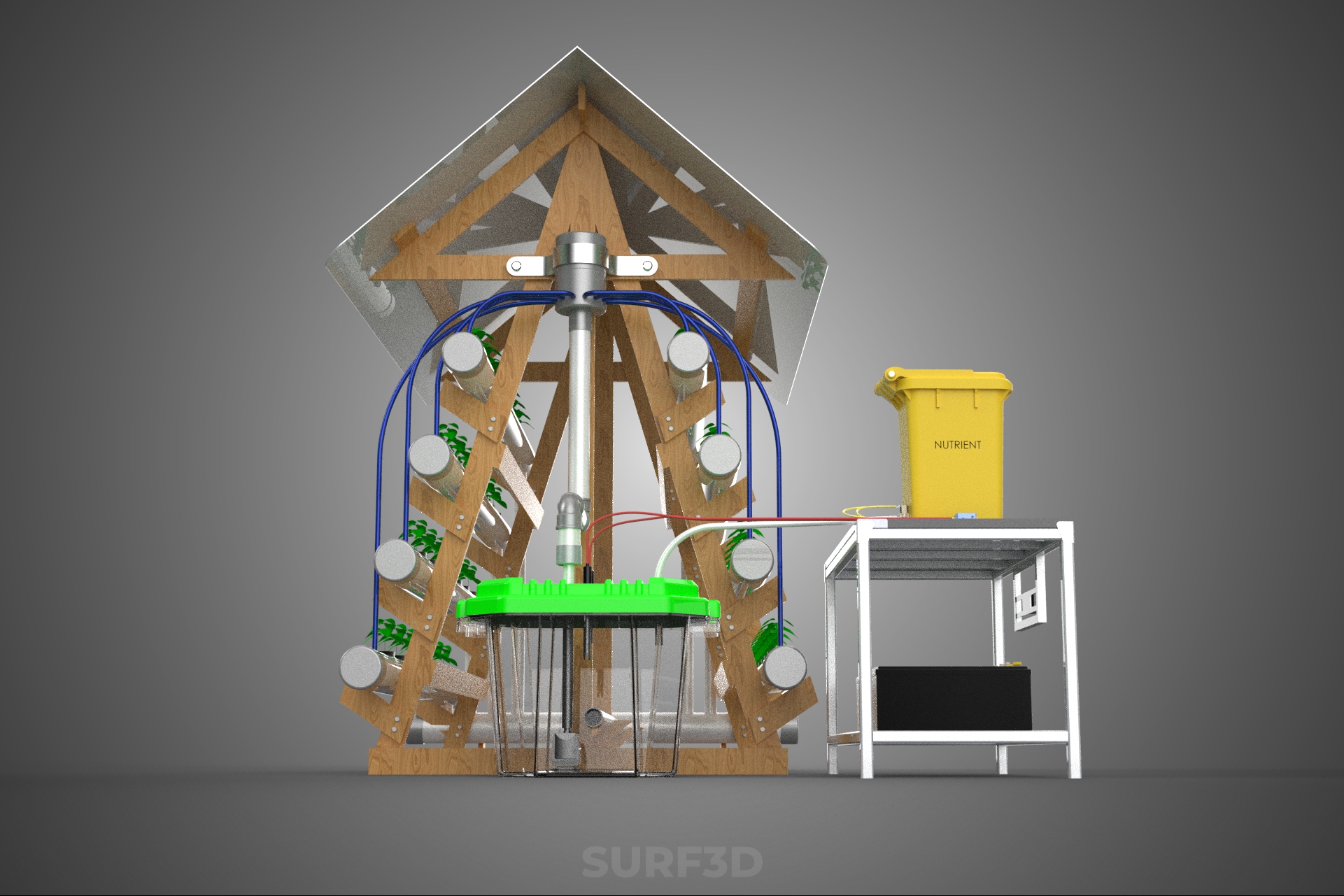
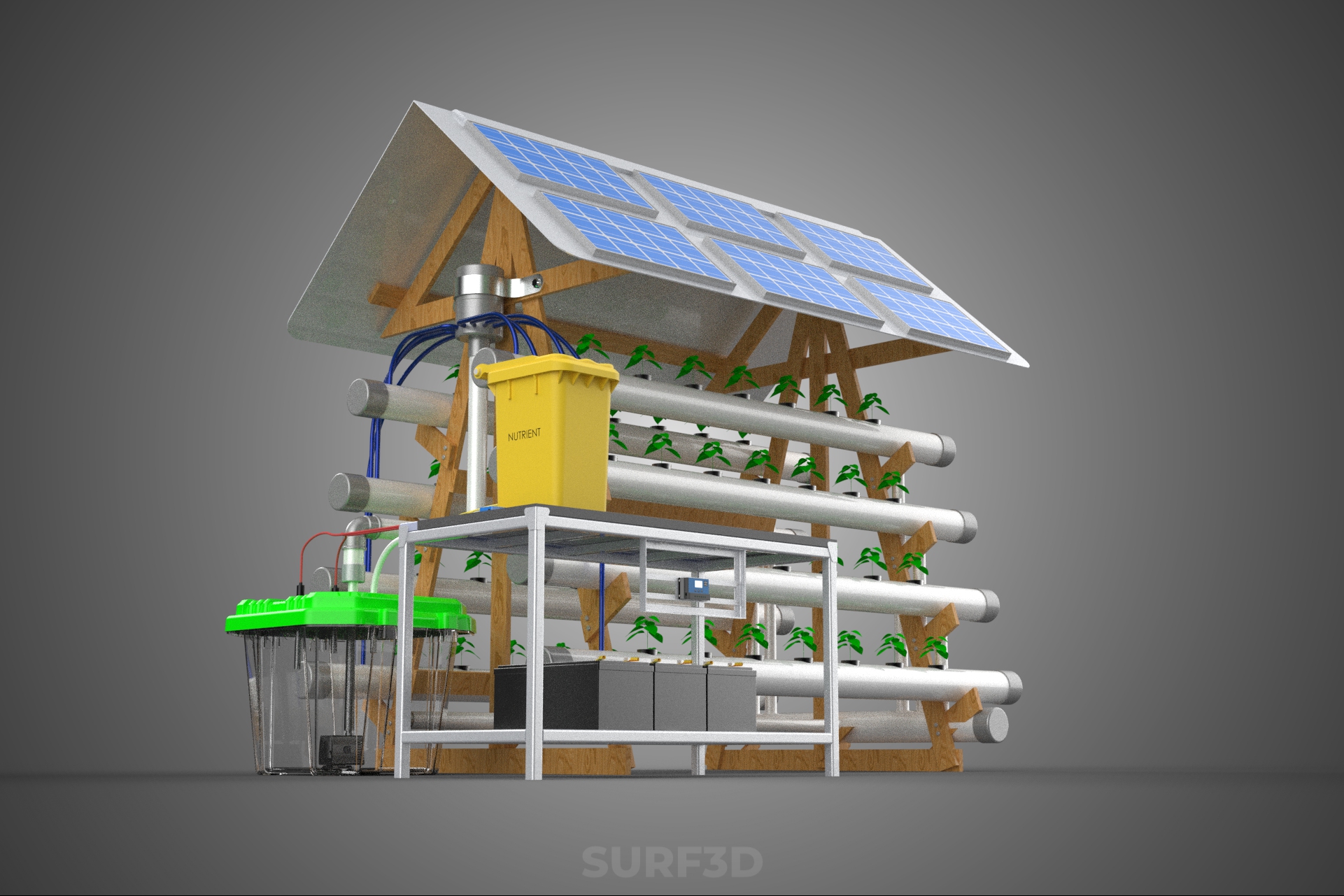
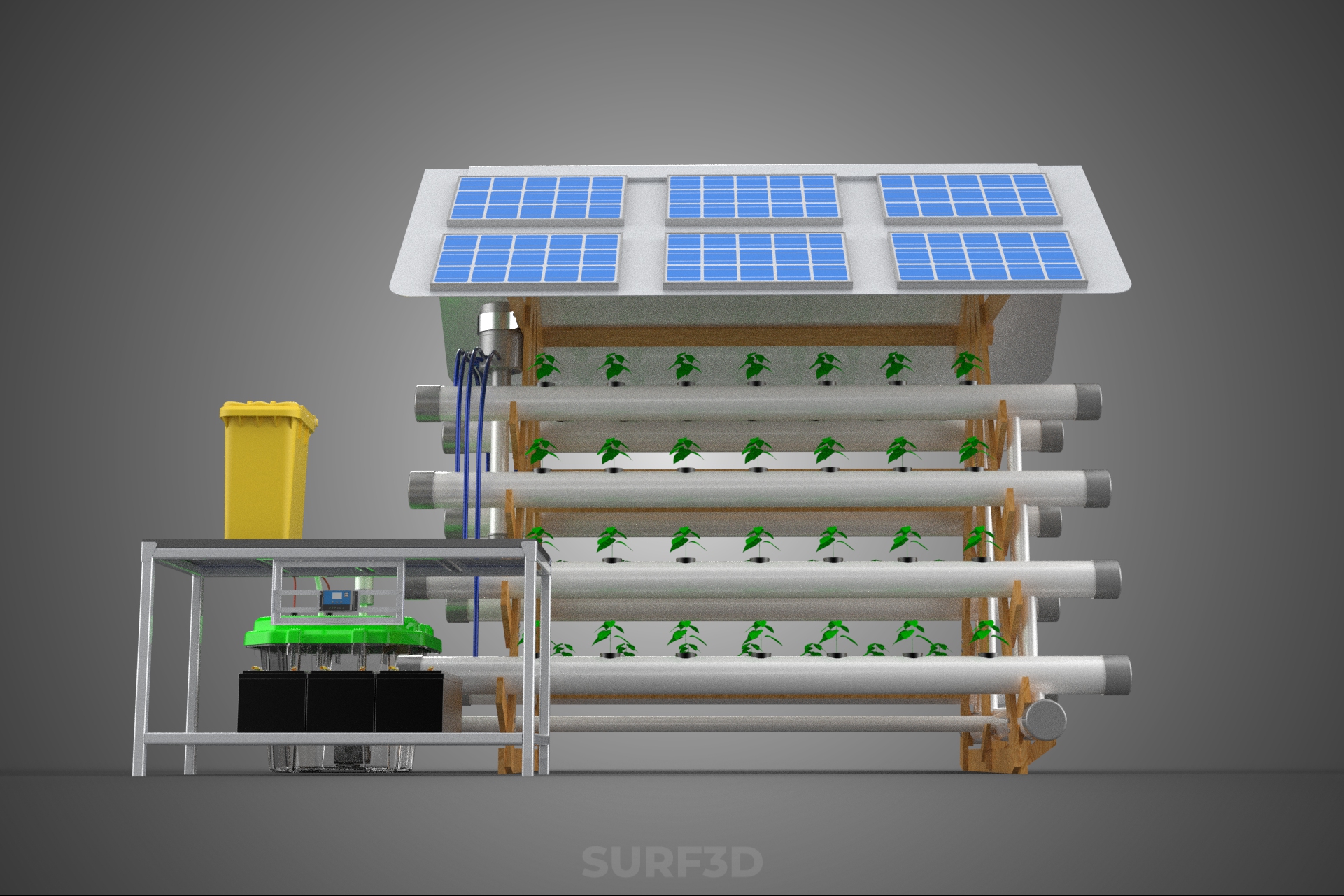
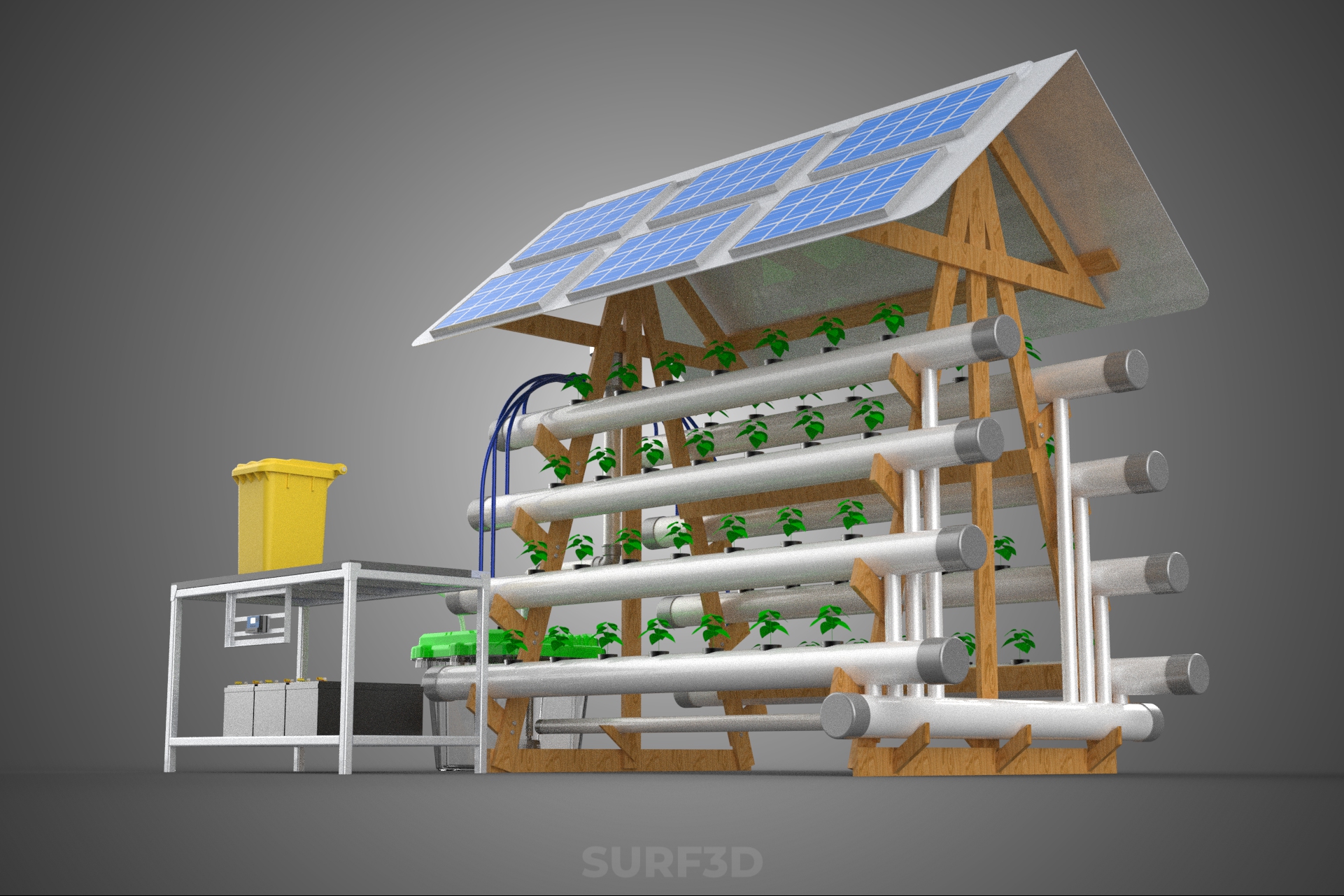
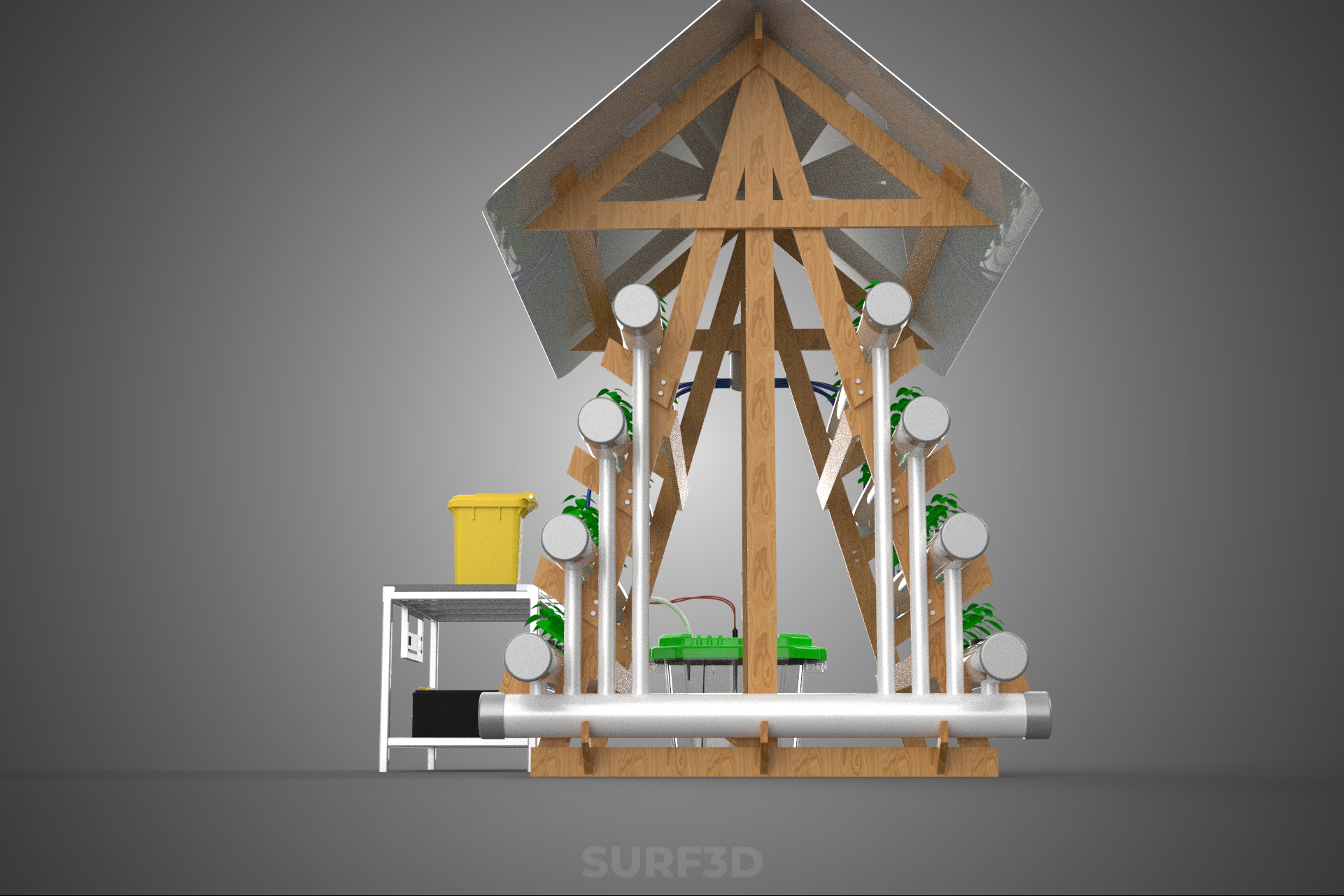
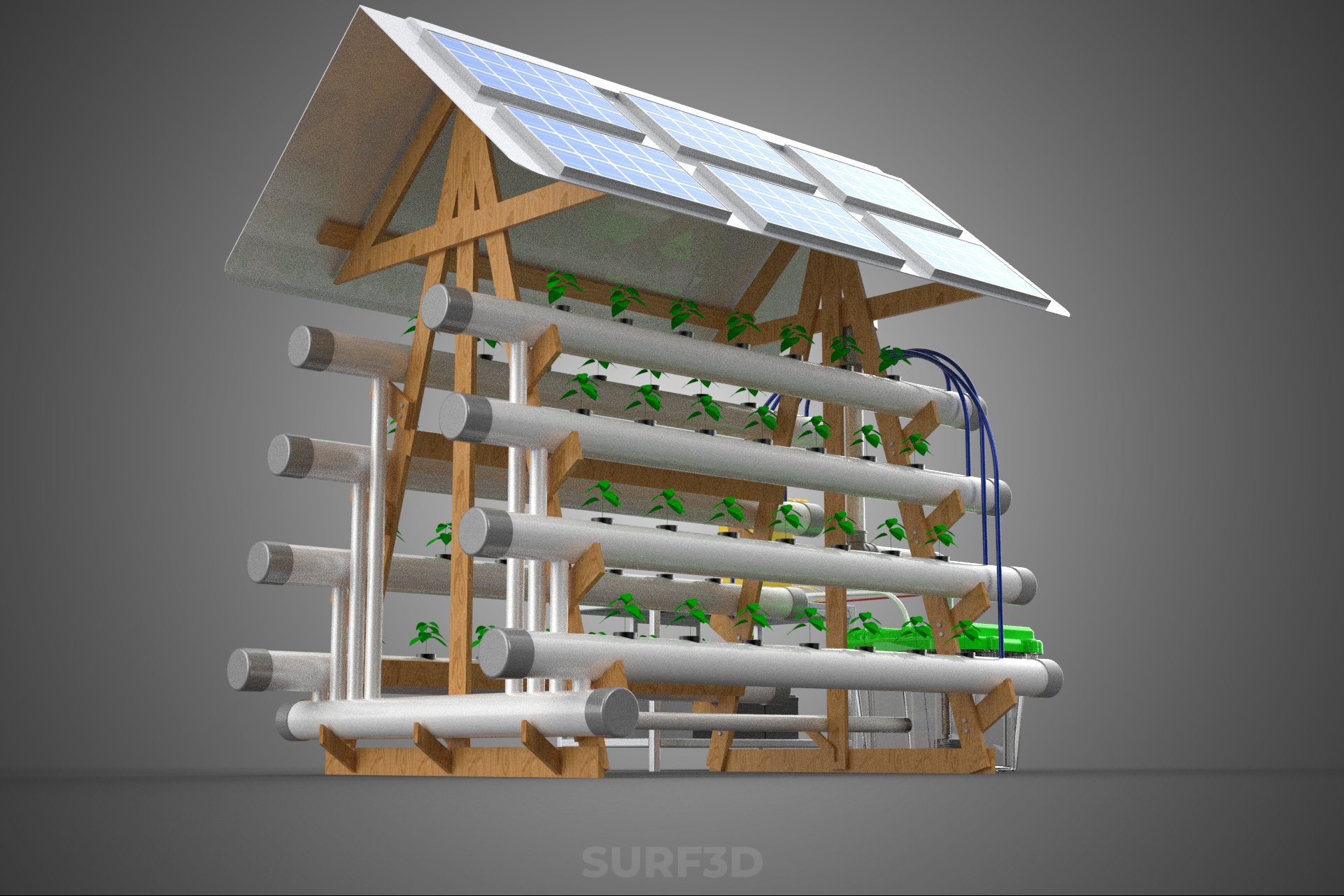
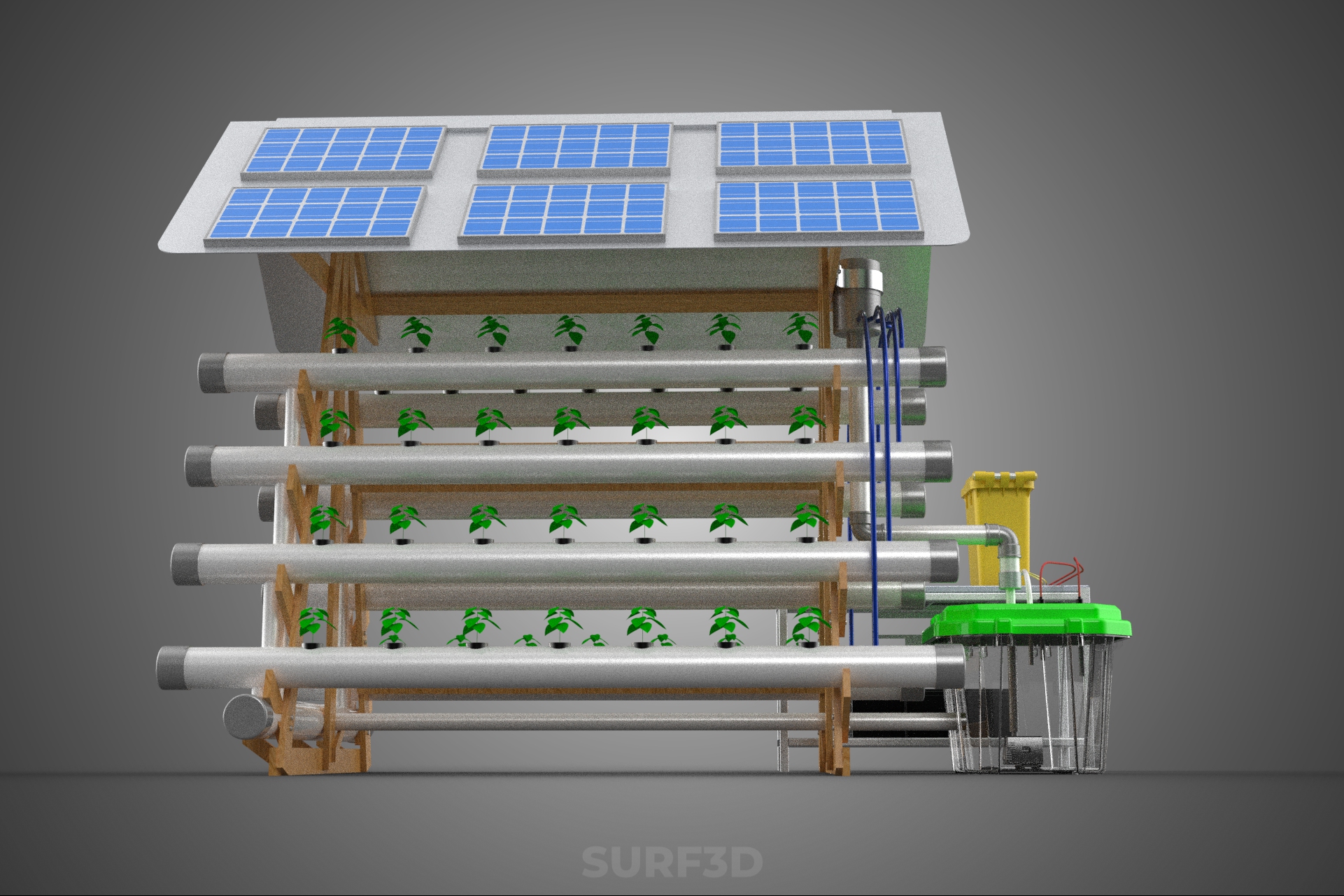
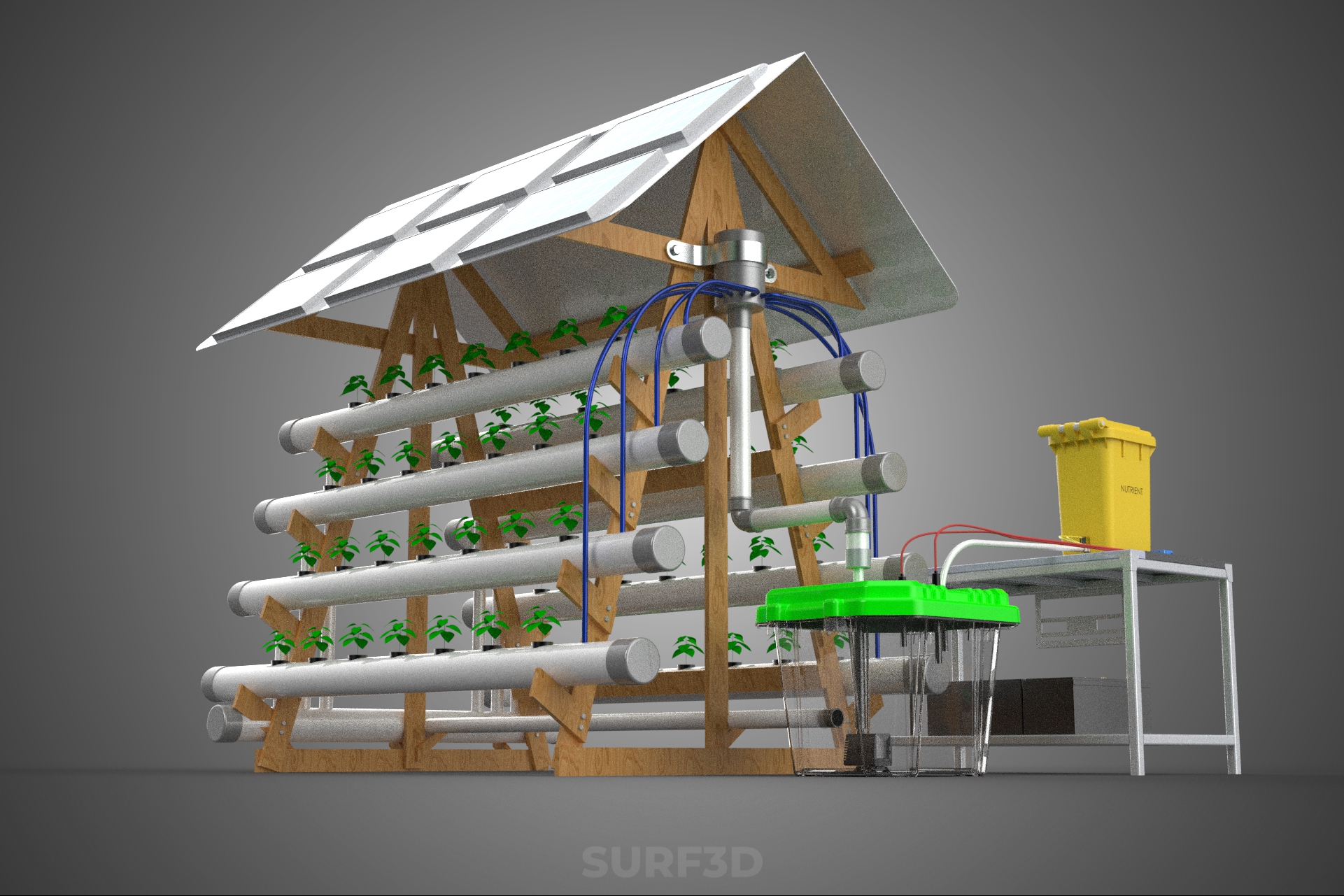
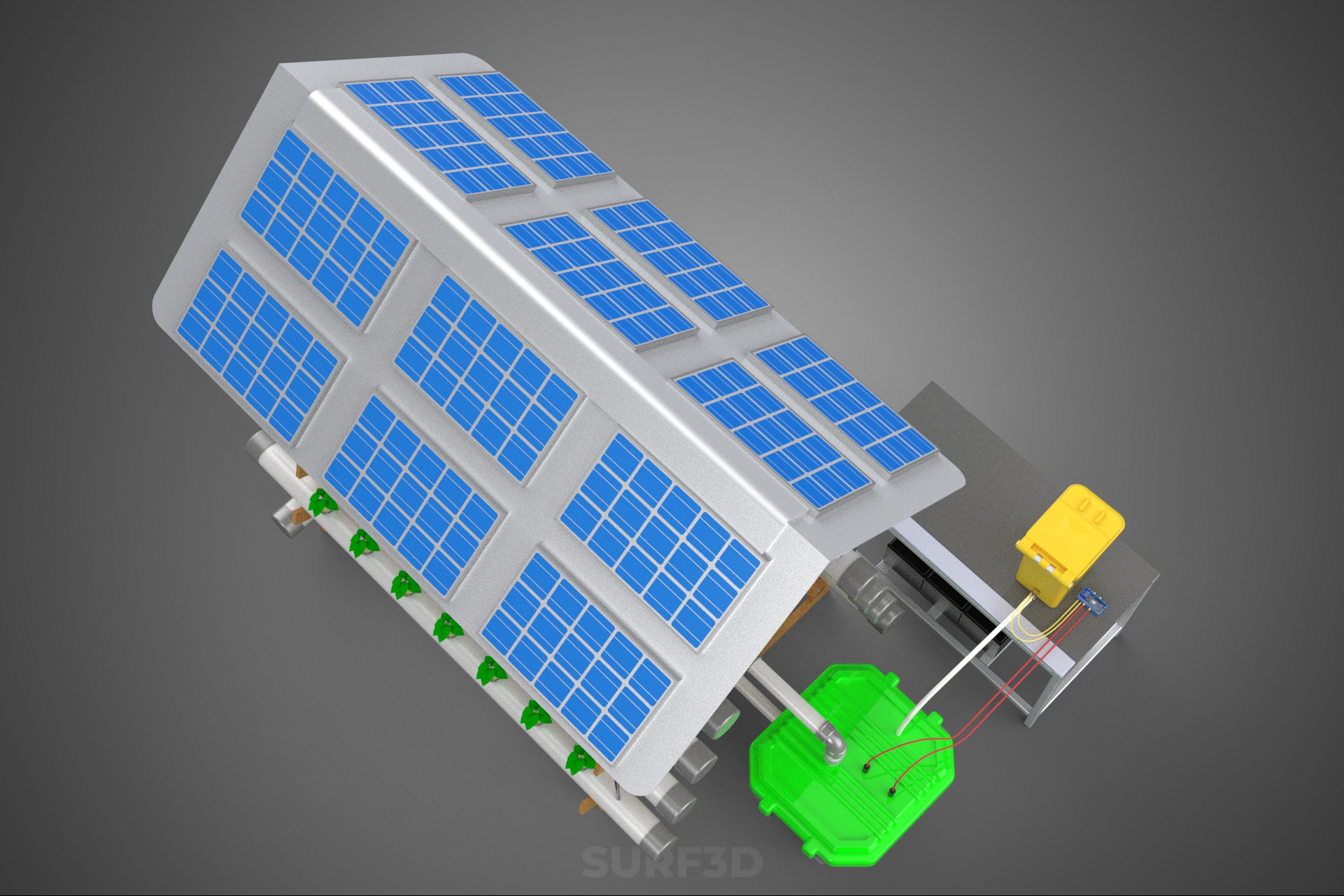
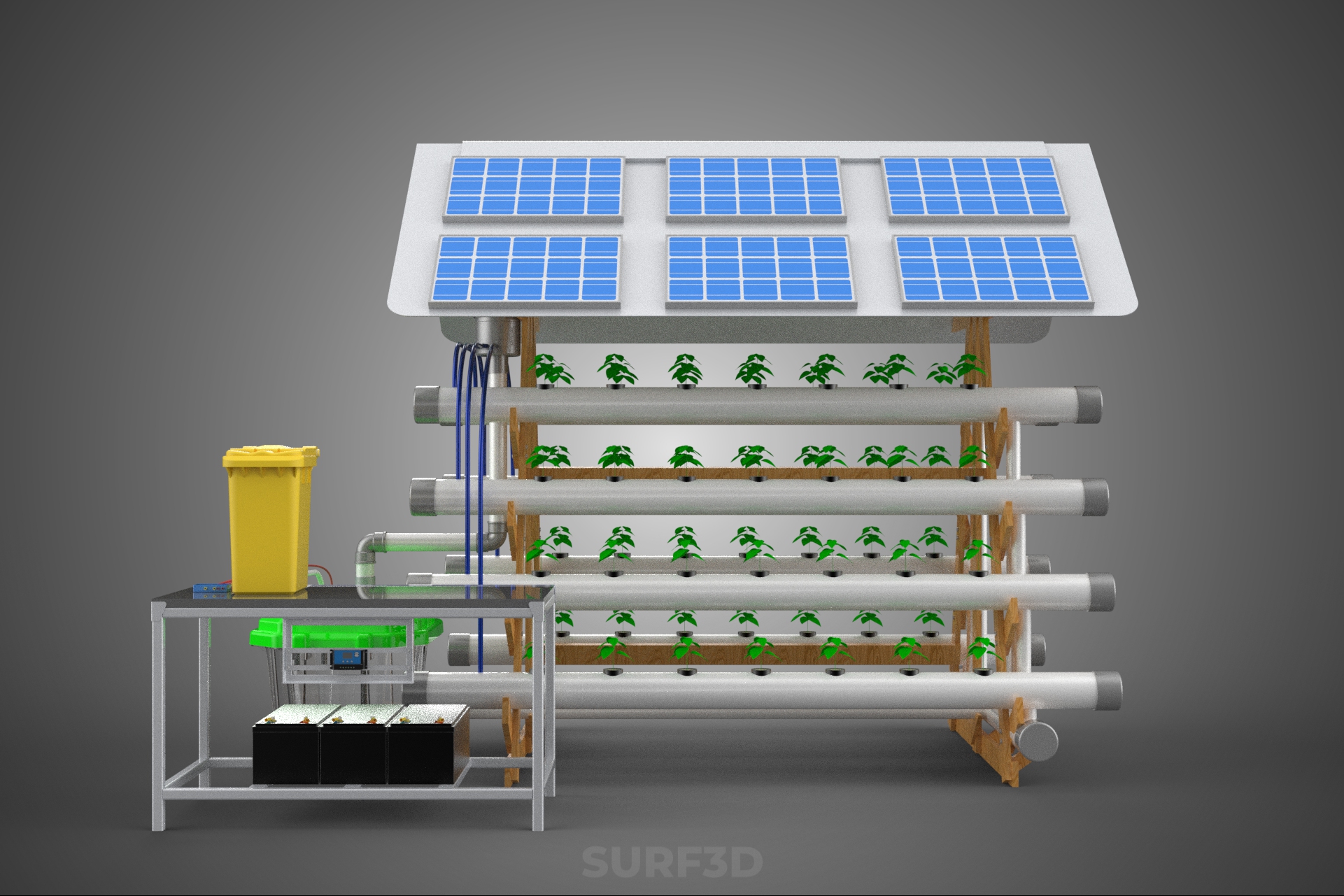
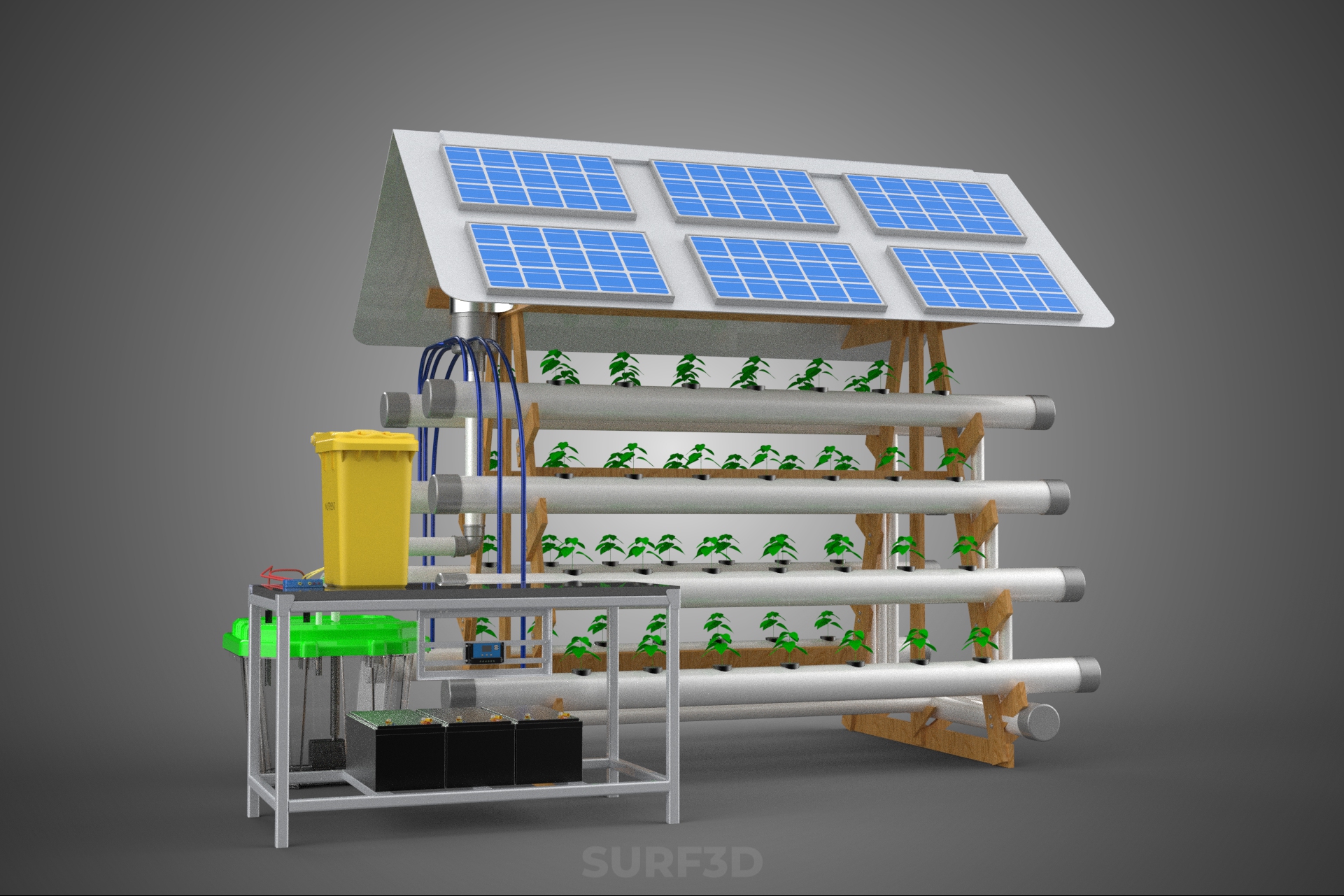
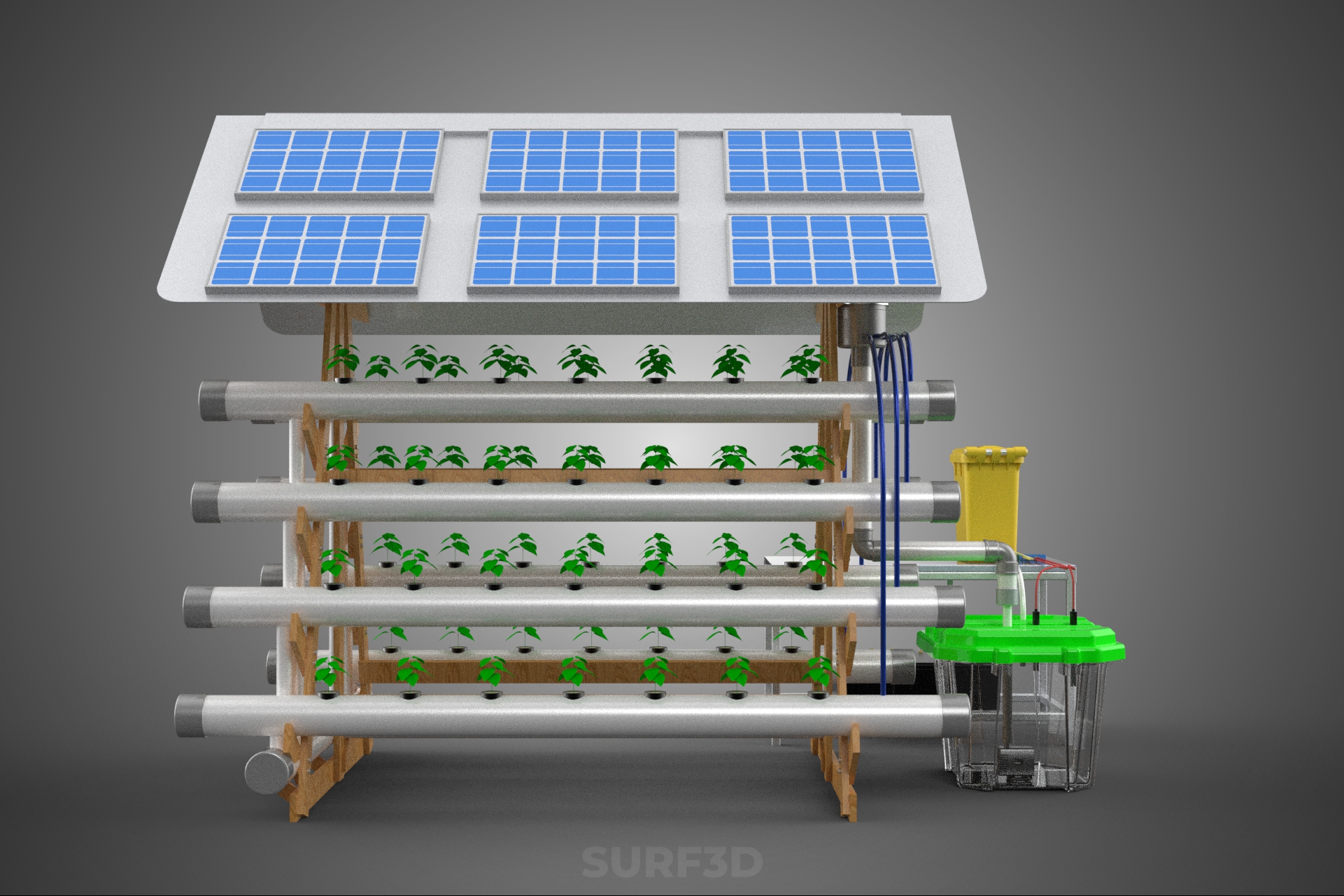
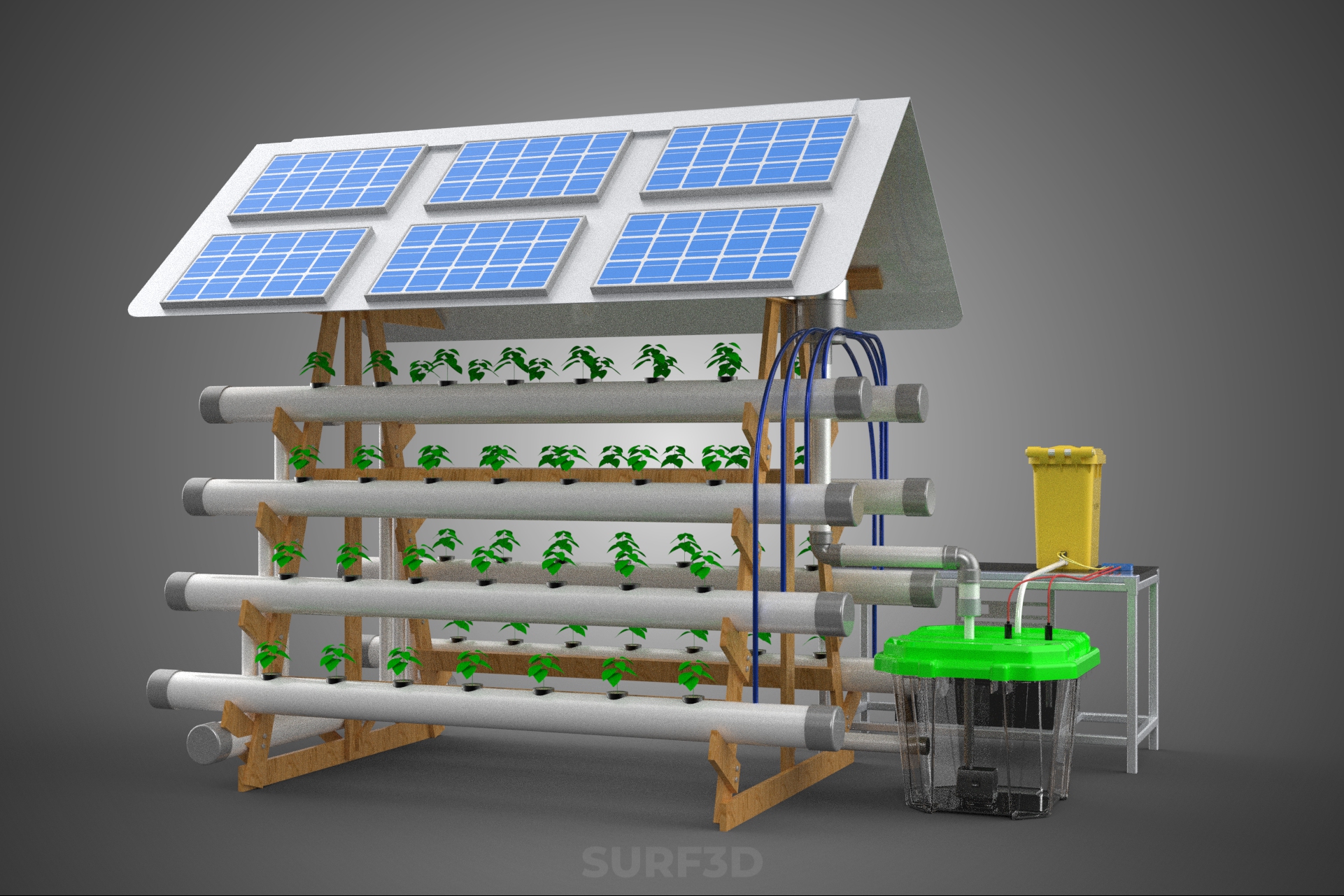
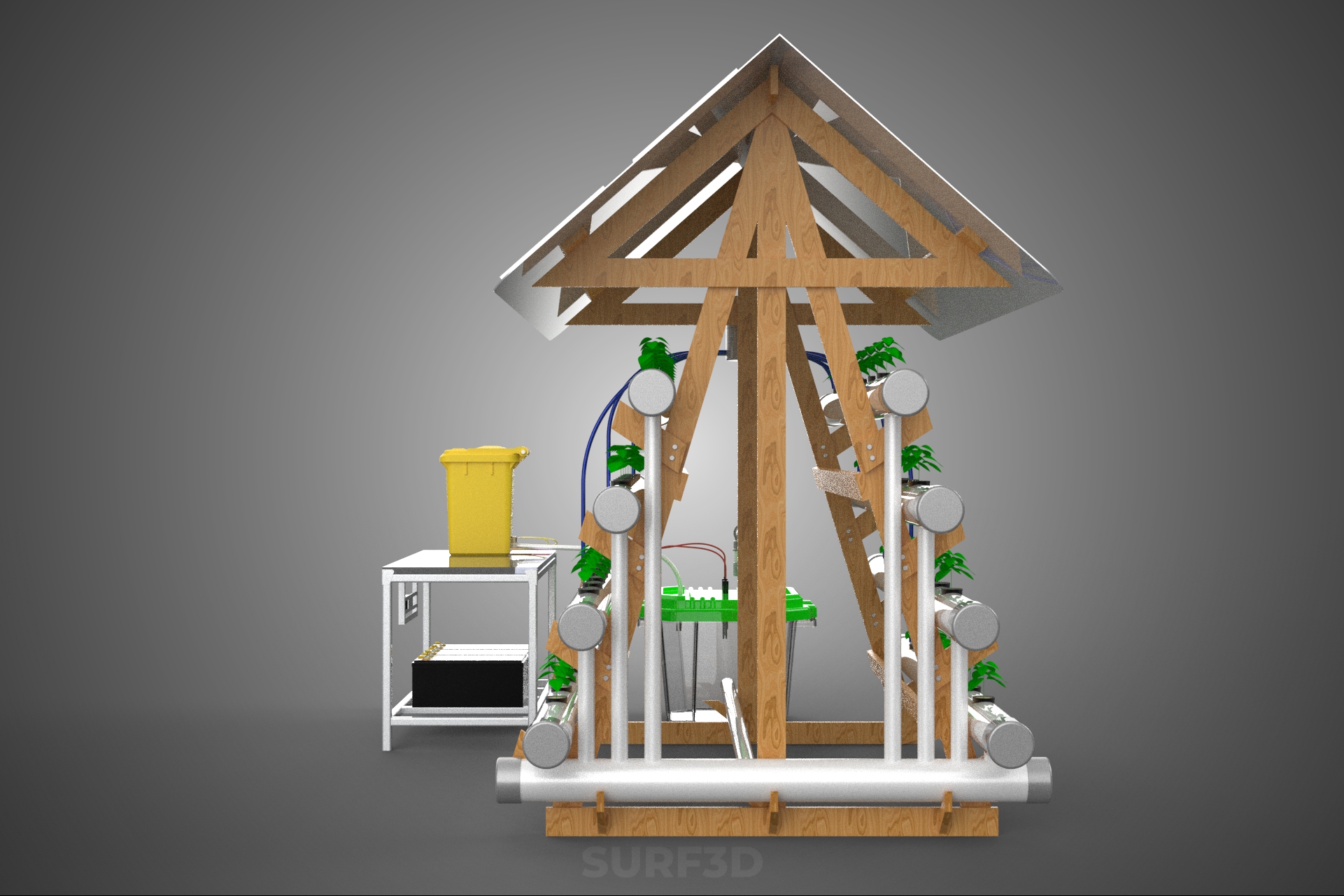
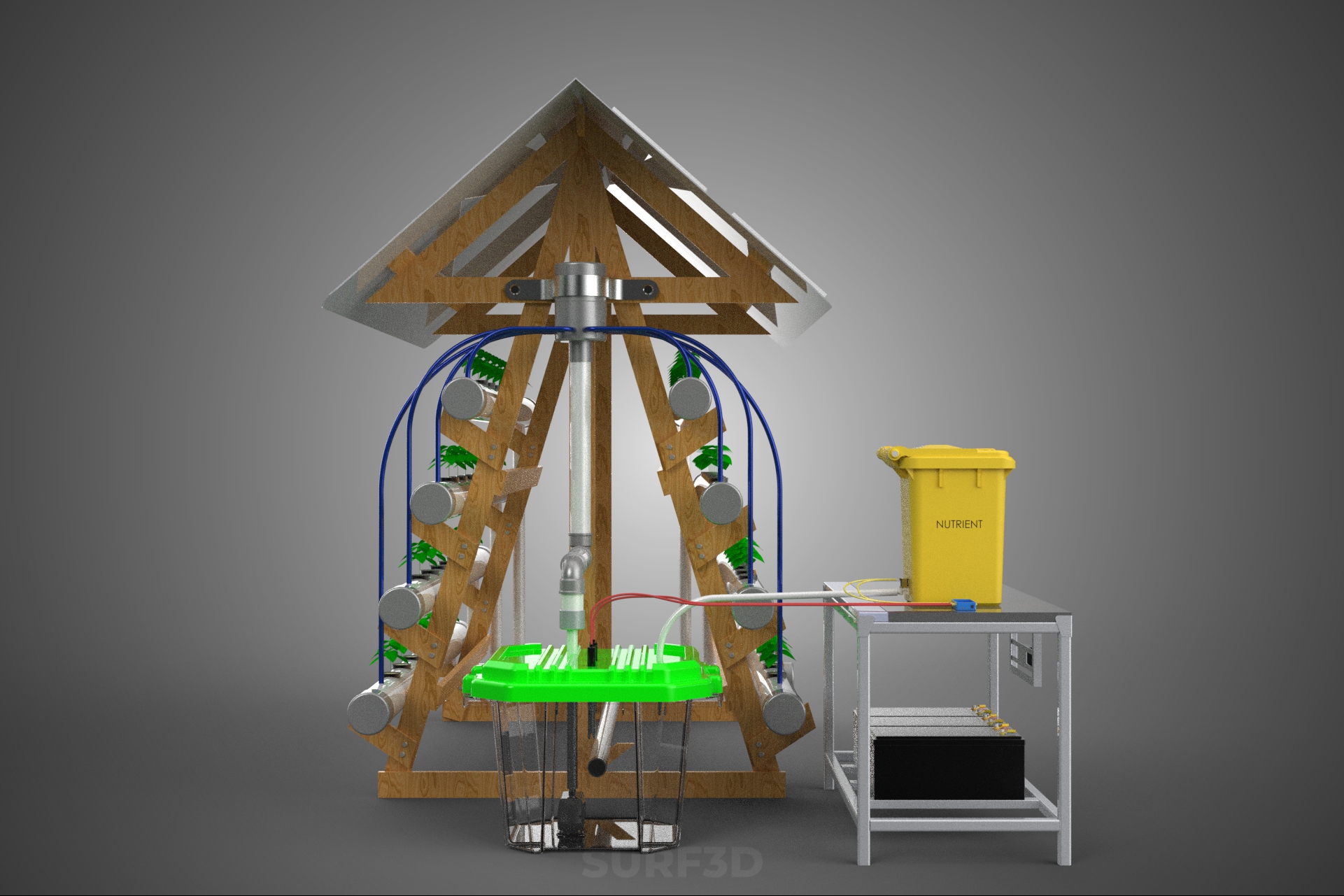
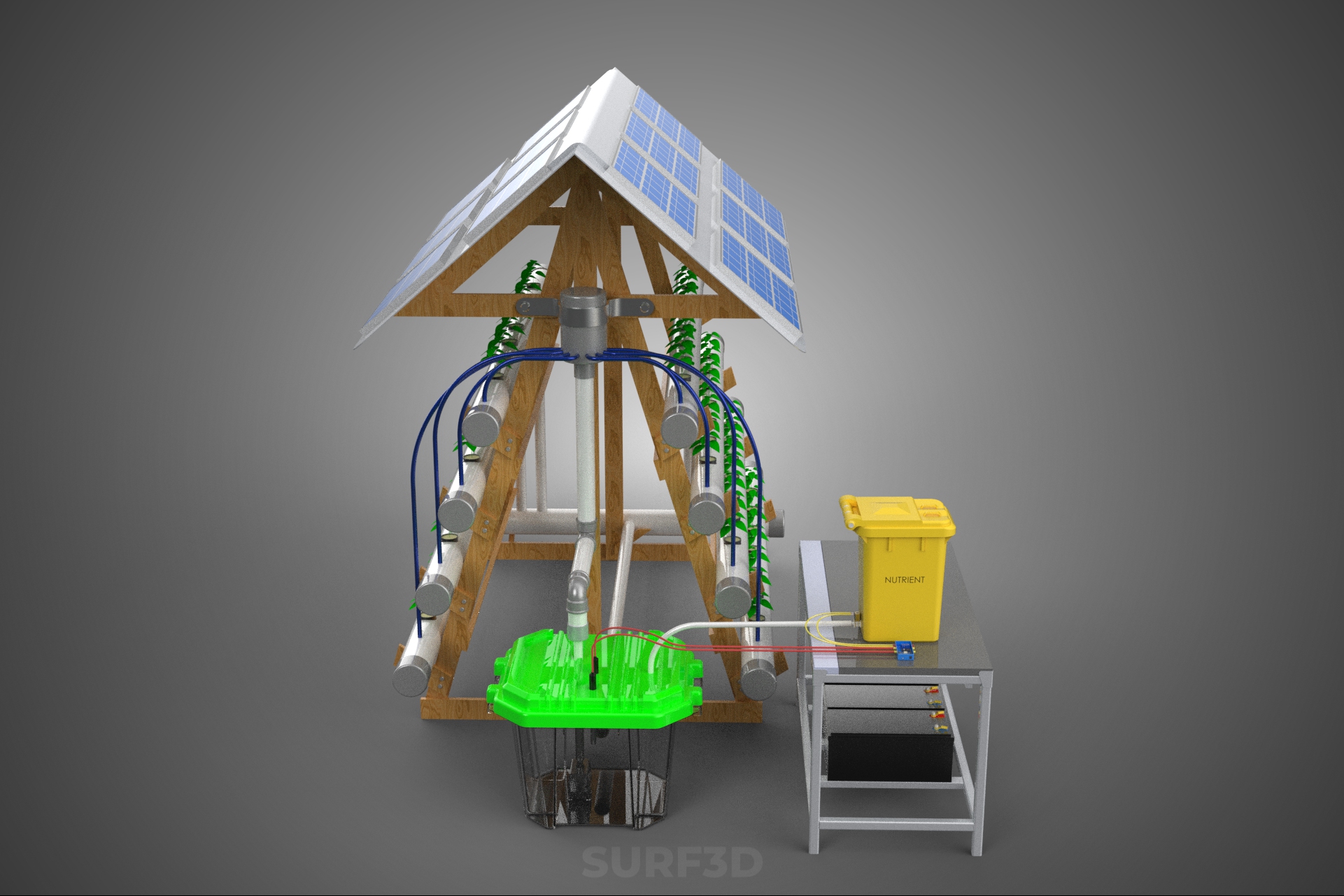
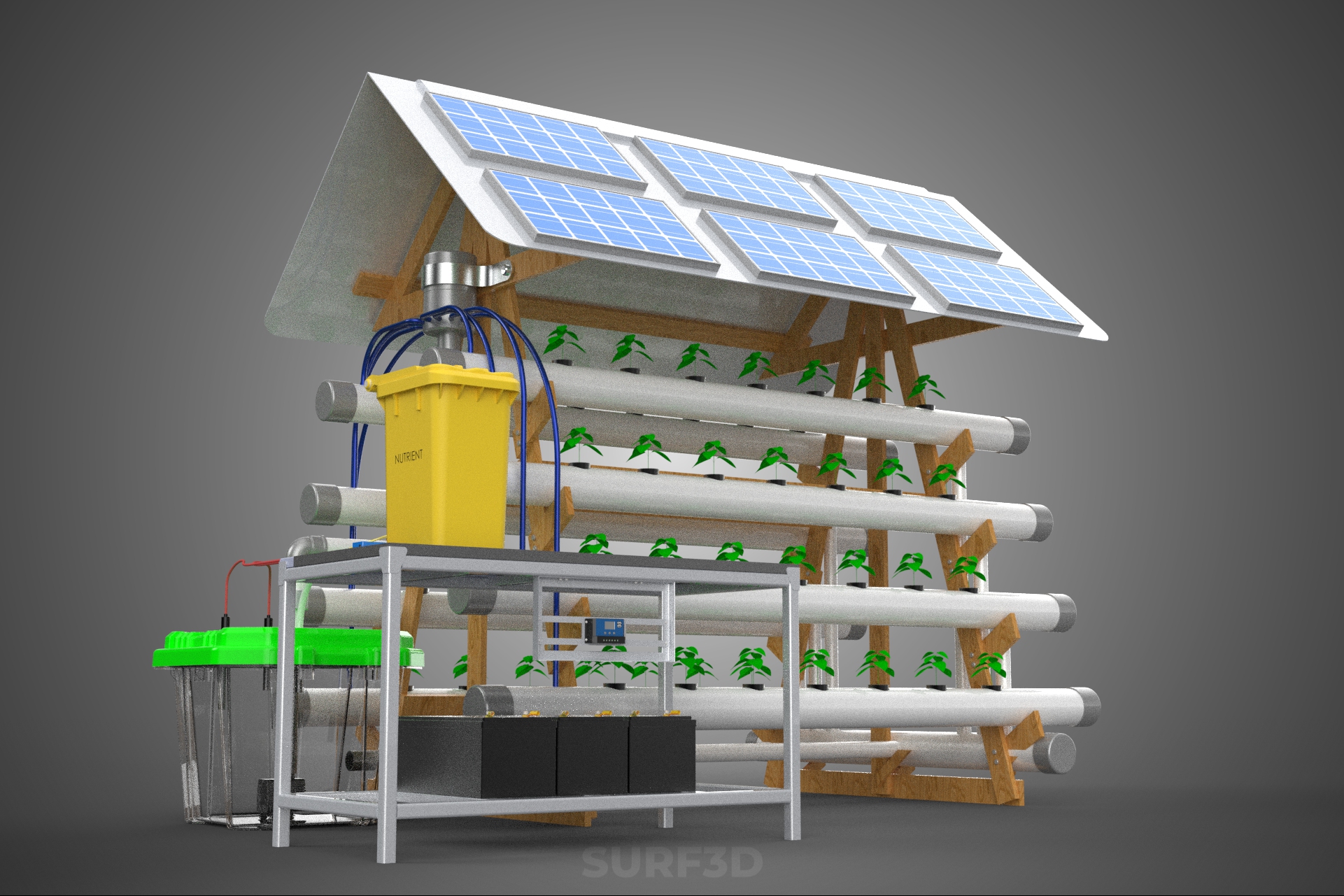
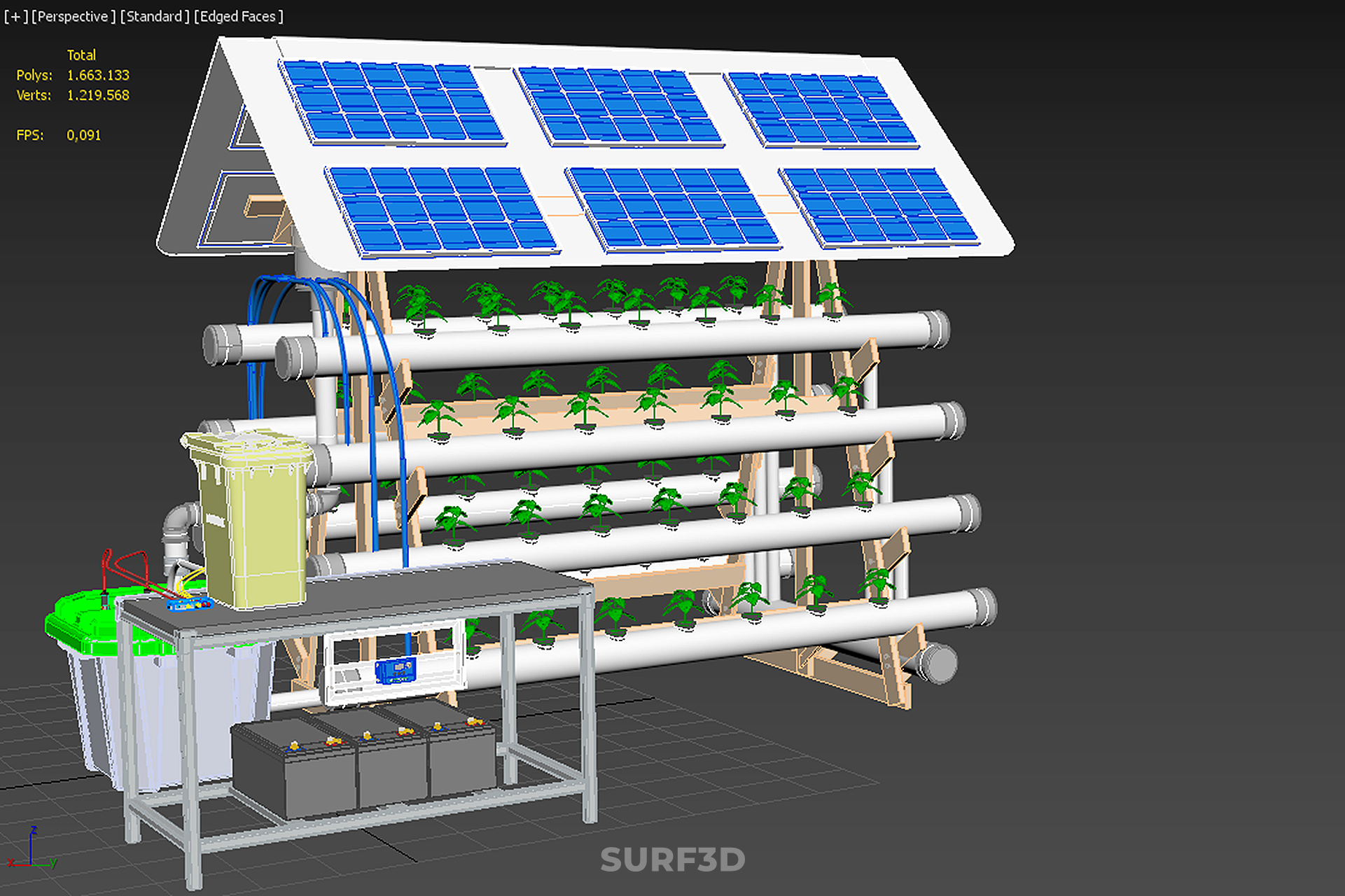
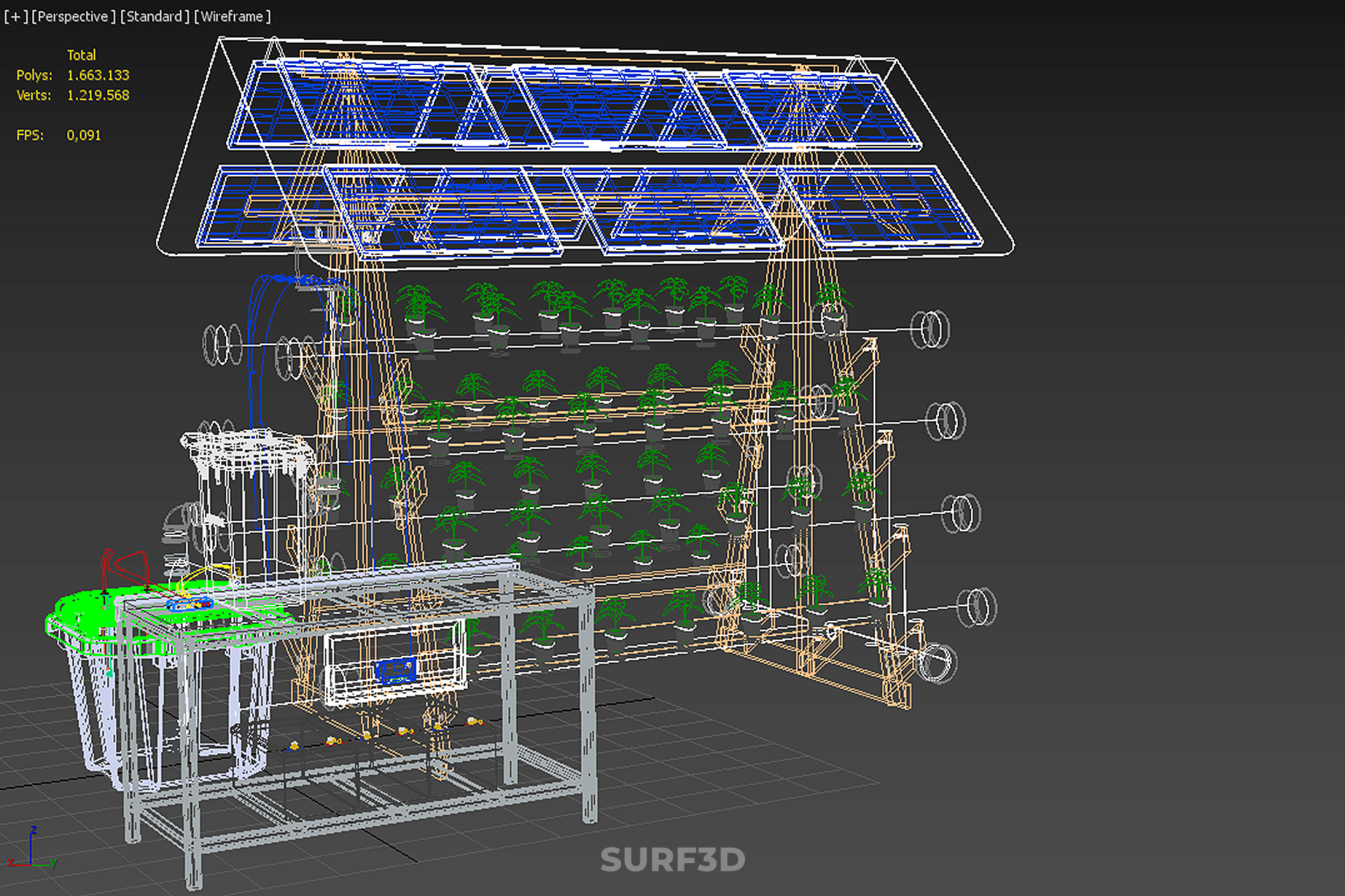
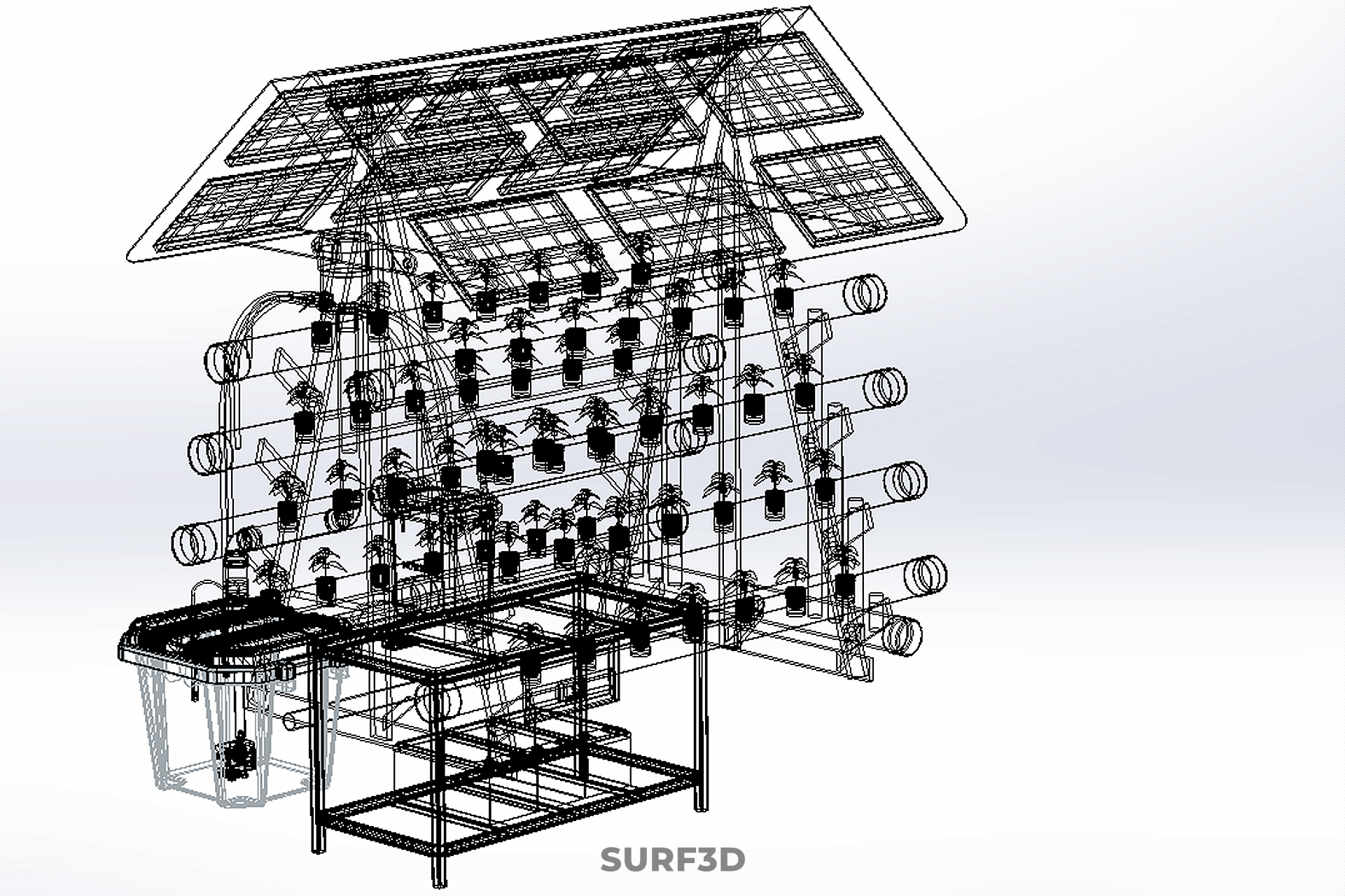
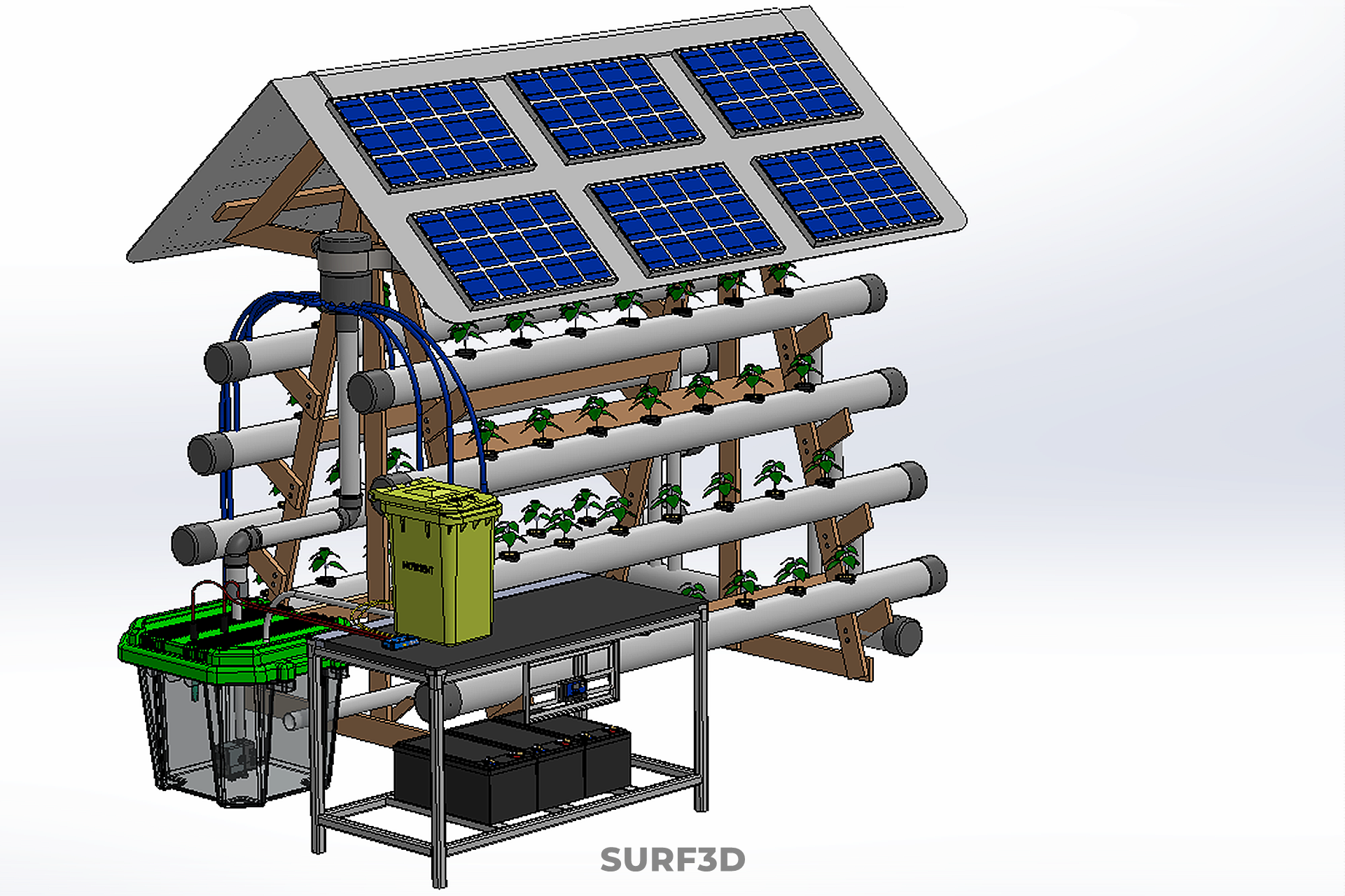
A Hydroponic IoT Smart Solar Energy PV Farm represents a cutting-edge agricultural system that integrates soilless cultivation (hydroponics) with Internet of Things (IoT) technology, intelligent automation, and renewable solar photovoltaic (PV) energy. This sophisticated amalgamation is designed to optimize plant growth, enhance resource utilization, and establish highly efficient, sustainable, and precisely controlled environments for crop production.
At its foundation, the system employs hydroponics, a method of growing plants without soil, utilizing mineral nutrient solutions dissolved in water. This technique enables meticulous control over nutrient delivery, pH levels, and oxygenation to the plant root zone, significantly improving nutrient uptake efficiency and reducing water consumption compared to traditional soil-based farming. Common hydroponic methods, such as Nutrient Film Technique (NFT), Deep Water Culture (DWC), Drip Systems, and Aeroponics, are selected based on crop specific needs and operational efficacy.
The Internet of Things (IoT) integration is central to the system’s intelligence. A network of embedded sensors, actuators, and communication modules continuously monitors a wide array of critical environmental and physiological parameters. These include air temperature, humidity, carbon dioxide (CO2) levels, light intensity (Photosynthetically Active Radiation – PAR), water temperature, pH, electrical conductivity (EC) of the nutrient solution, and dissolved oxygen. Data collected by these sensors is transmitted wirelessly to a central processing unit or cloud-based platform for real-time analysis and storage.
The “Smart” aspect refers to the system’s capacity for autonomous decision-making and precise environmental modulation. Advanced algorithms process the aggregated IoT data to identify optimal growth conditions for specific crops and growth stages. This analysis triggers automated responses from actuators, such as precision dosing pumps for nutrient and pH adjustment, climate control systems (e.g., HVAC, ventilation fans) for temperature and humidity regulation, and automated LED grow lights for managing photoperiods and light spectrum. This level of automation minimizes manual intervention, reduces human error, and optimizes every parameter to maximize plant health, growth rate, and overall yield.
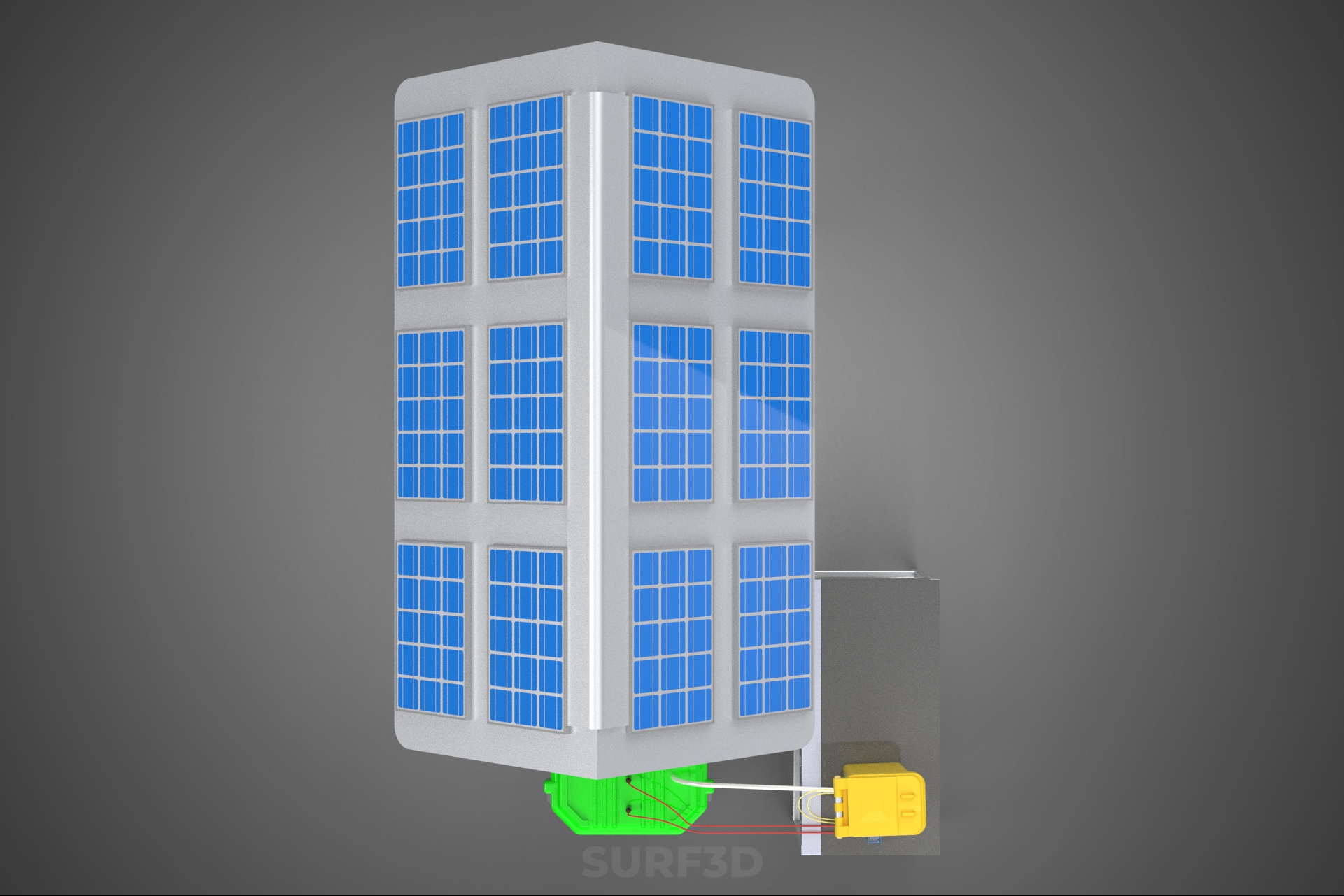
The Solar Energy PV component signifies the system’s reliance on renewable energy. Photovoltaic panels convert sunlight directly into electricity, powering all operational aspects of the farm, including pumps, sensors, control units, LED lighting, and climate control infrastructure. This integration drastically reduces dependence on grid electricity, lowers operational expenditures, and significantly decreases the carbon footprint, thereby enhancing the farm’s environmental sustainability and energy independence. Energy storage solutions, such as battery banks, are commonly incorporated to ensure uninterrupted operation during periods of low solar irradiance or peak energy demand.
The synergy of these technologies results in a highly optimized “Farm” where “Plant Water Nutrient” management is meticulously controlled. The IoT system dynamically adjusts the composition and delivery of the nutrient solution based on real-time plant absorption rates and developmental phases. Solar power ensures the continuous circulation, aeration, and precise temperature control of this solution, alongside providing optimal light and climate conditions. This closed-loop system conserves water by minimizing evaporation and runoff, and prevents nutrient waste, making it exceptionally resource-efficient.
Key advantages of such an integrated system include significant resource efficiency (up to 90% less water usage compared to conventional farming), increased crop yields and improved product quality due to precise environmental control, enhanced sustainability through renewable energy and reduced chemical use, and minimized labor requirements via extensive automation. Furthermore, these farms offer location independence, allowing for crop production in urban areas, regions with arid climates, or environments with degraded soil, contributing to localized food security and year-round cultivation.
Technological underpinnings involve sophisticated sensors, microcontrollers (e.g., Arduino, Raspberry Pi), various wireless communication protocols (Wi-Fi, Zigbee, LoRaWAN), cloud computing for data storage and analytics, machine learning algorithms for predictive modeling, and advanced power electronics for solar energy management. These farms are particularly well-suited for urban agriculture, vertical farming, research facilities, and food production in extreme environments. Future advancements are anticipated to include further integration of artificial intelligence for more refined predictive analytics, advanced robotic automation for tasks like harvesting and planting, and continuous improvements in energy storage and efficiency.
In essence, a Hydroponic IoT Smart Solar Energy PV Farm represents a transformative approach to agriculture, providing a robust framework for sustainable, efficient, and resilient food production systems capable of addressing critical global challenges related to food security, resource scarcity, and climate change.
KEYWORDS: Hydroponics, Internet of Things (IoT), Smart Farming, Solar Energy, Photovoltaic (PV), Precision Agriculture, Sustainable Agriculture, Soilless Cultivation, Crop Production, Environmental Control, Automation, Sensors, Actuators, Nutrient Management, Water Efficiency, Energy Independence, Renewable Energy, Vertical Farming, Urban Agriculture, Data Analytics, Climate Control, LED Grow Lights, Resource Optimization, Closed-Loop Systems, Agricultural Technology, Food Security, Digital Agriculture, Remote Monitoring, Crop Yield, Carbon Footprint