High-quality 3D assets at affordable prices — trusted by designers, engineers, and creators worldwide. Made with care to be versatile, accessible, and ready for your pipeline.
Included File Formats
This model is provided in 14 widely supported formats, ensuring maximum compatibility:
• – FBX (.fbx) – Standard format for most 3D software and pipelines
• – OBJ + MTL (.obj, .mtl) – Wavefront format, widely used and compatible
• – STL (.stl) – Exported mesh geometry; may be suitable for 3D printing with adjustments
• – STEP (.step, .stp) – CAD format using NURBS surfaces
• – IGES (.iges, .igs) – Common format for CAD/CAM and engineering workflows (NURBS)
• – SAT (.sat) – ACIS solid model format (NURBS)
• – DAE (.dae) – Collada format for 3D applications and animations
• – glTF (.glb) – Modern, lightweight format for web, AR, and real-time engines
• – 3DS (.3ds) – Legacy format with broad software support
• – 3ds Max (.max) – Provided for 3ds Max users
• – Blender (.blend) – Provided for Blender users
• – SketchUp (.skp) – Compatible with all SketchUp versions
• – AutoCAD (.dwg) – Suitable for technical and architectural workflows
• – Rhino (.3dm) – Provided for Rhino users
Model Info
• – All files are checked and tested for integrity and correct content
• – Geometry uses real-world scale; model resolution varies depending on the product (high or low poly)
• • – Scene setup and mesh structure may vary depending on model complexity
• – Rendered using Luxion KeyShot
• – Affordable price with professional detailing
Buy with confidence. Quality and compatibility guaranteed.
If you have any questions about the file formats, feel free to send us a message — we’re happy to assist you!
Sincerely,
SURF3D
Trusted source for professional and affordable 3D models.
More Information About 3D Model :
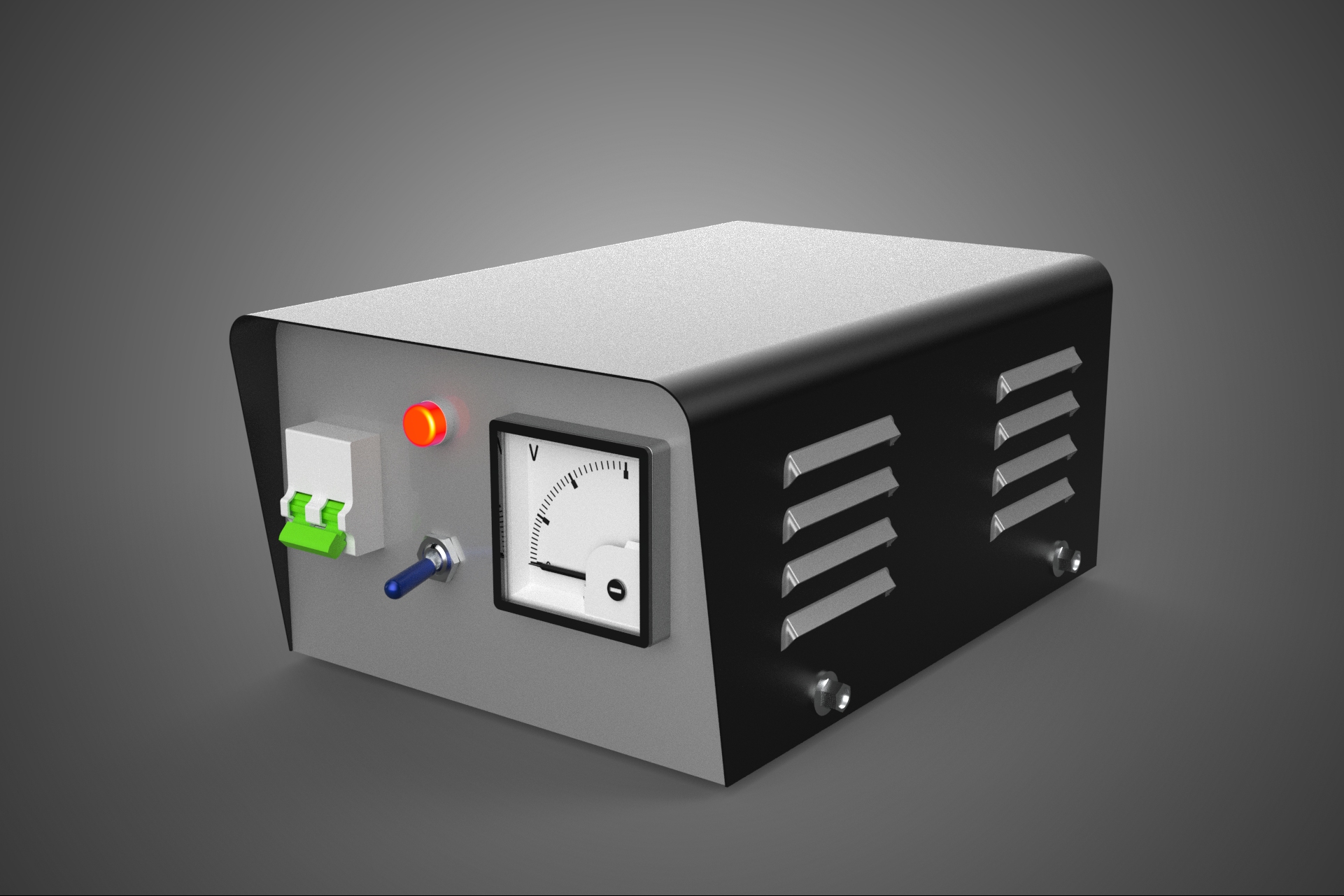
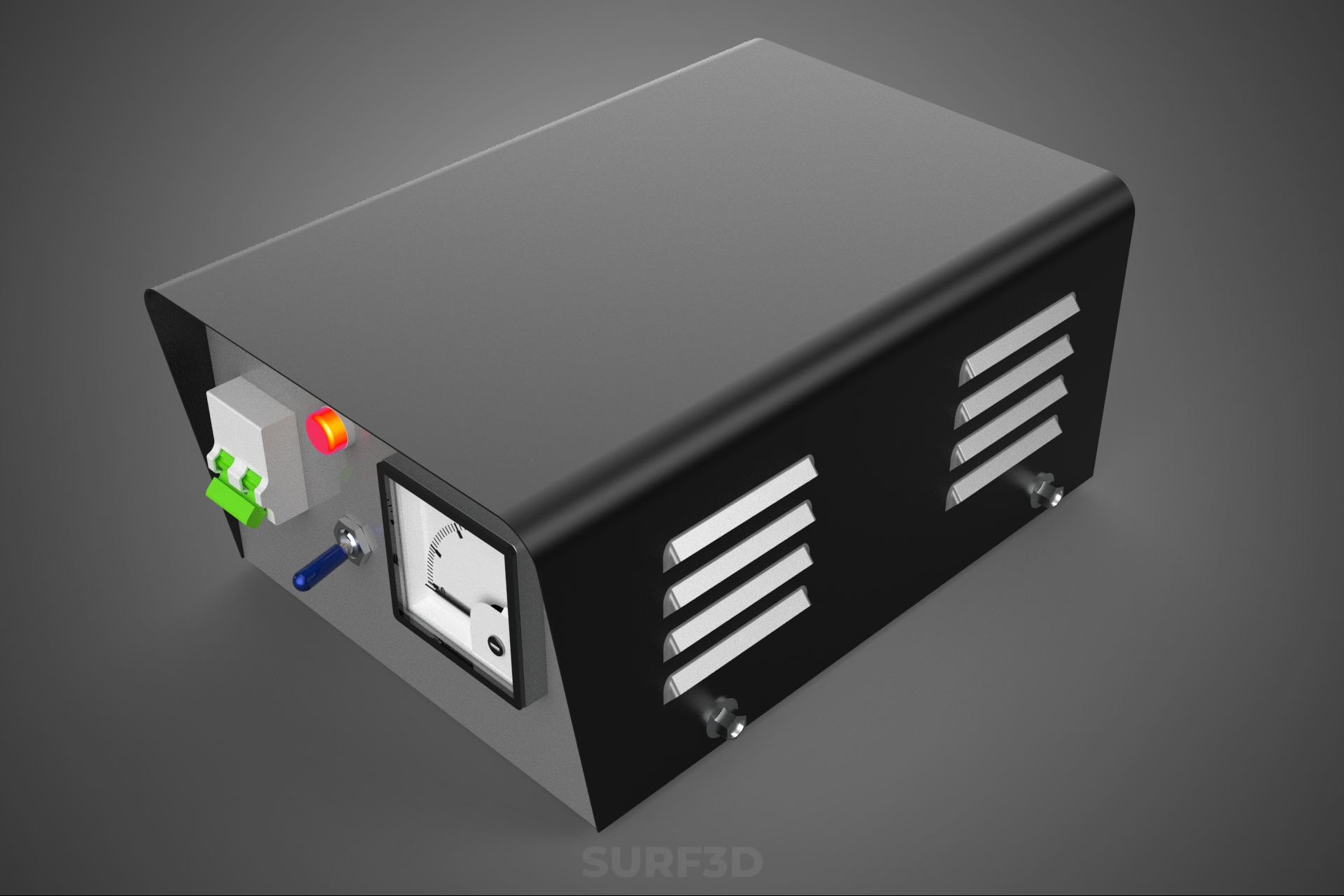
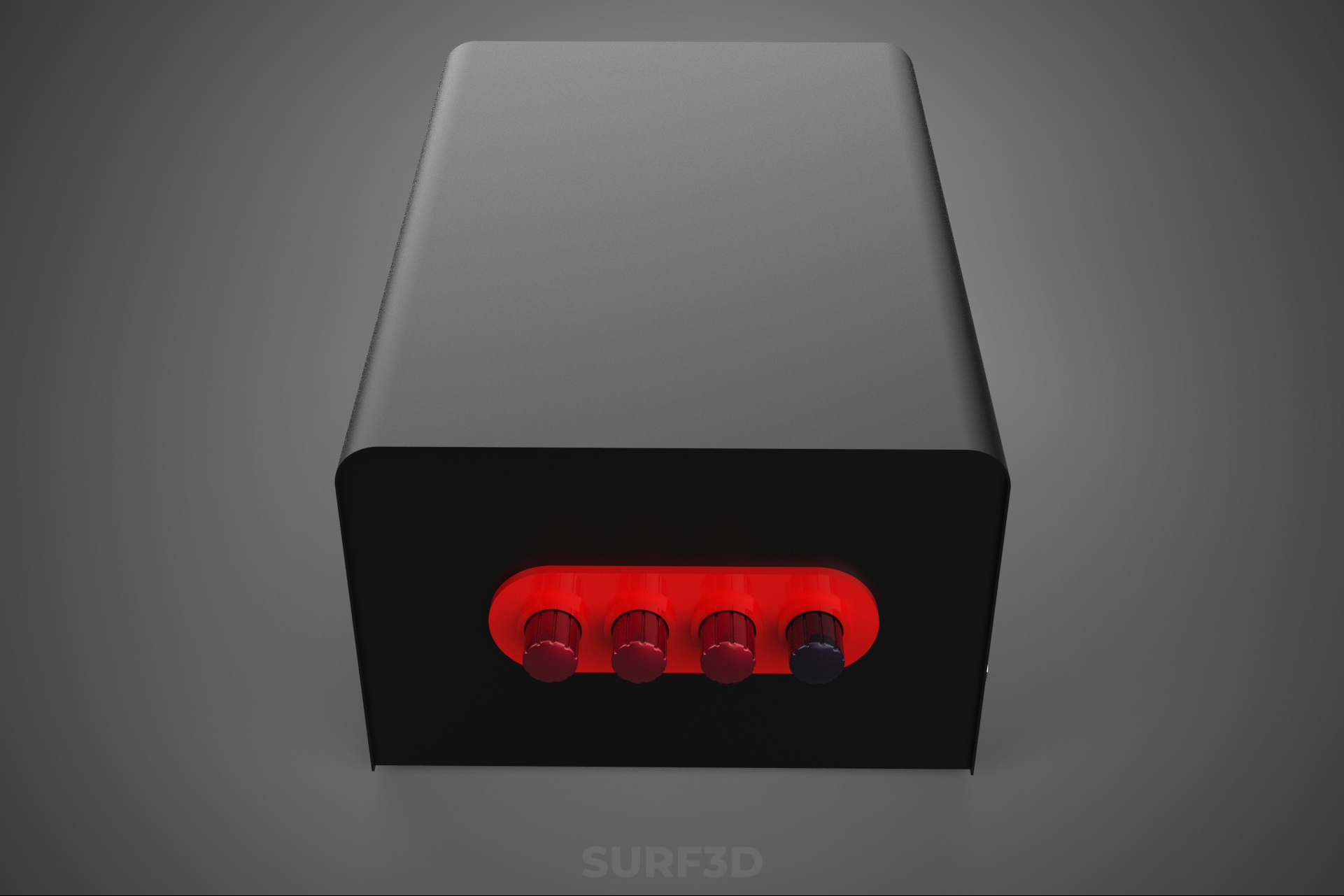
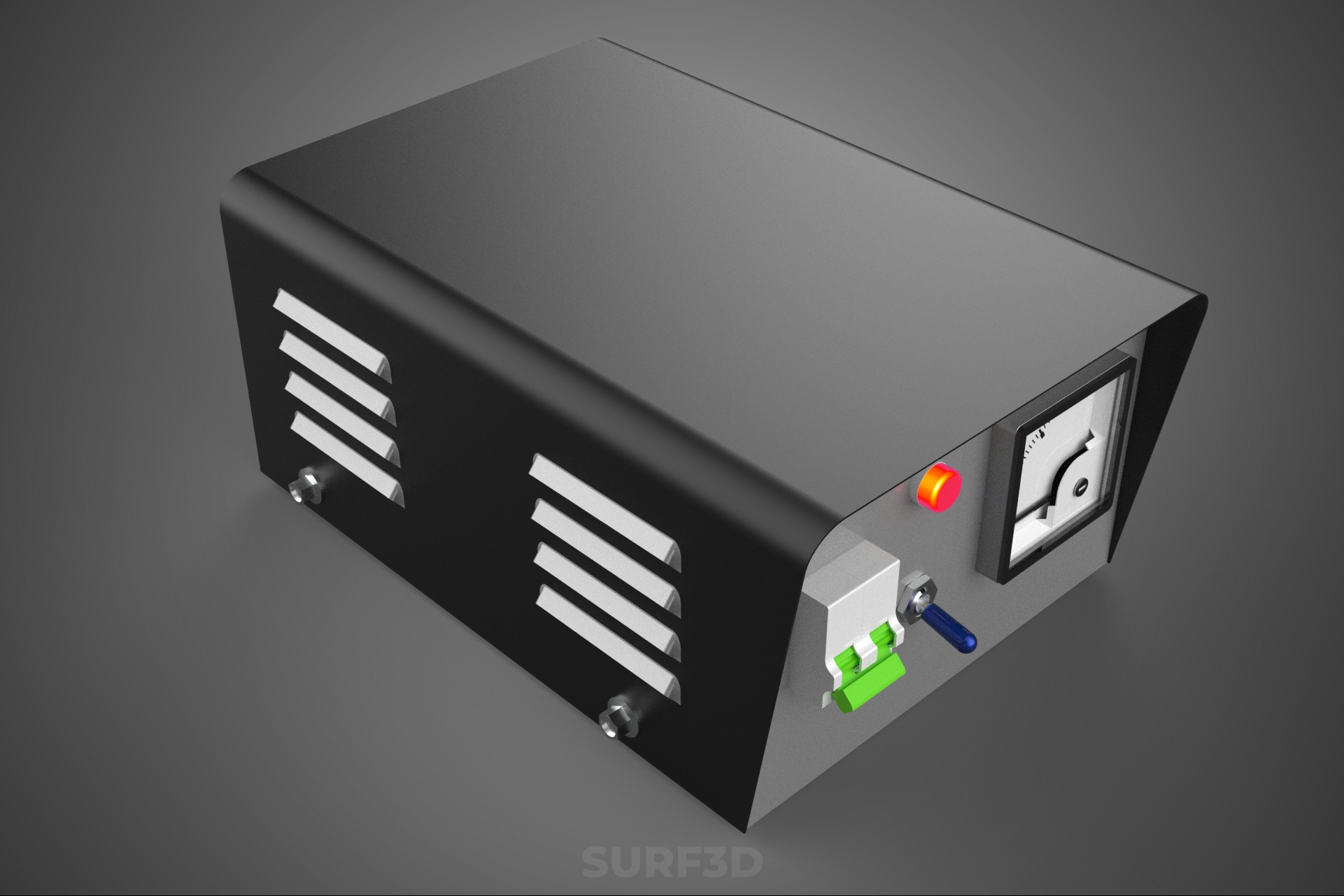
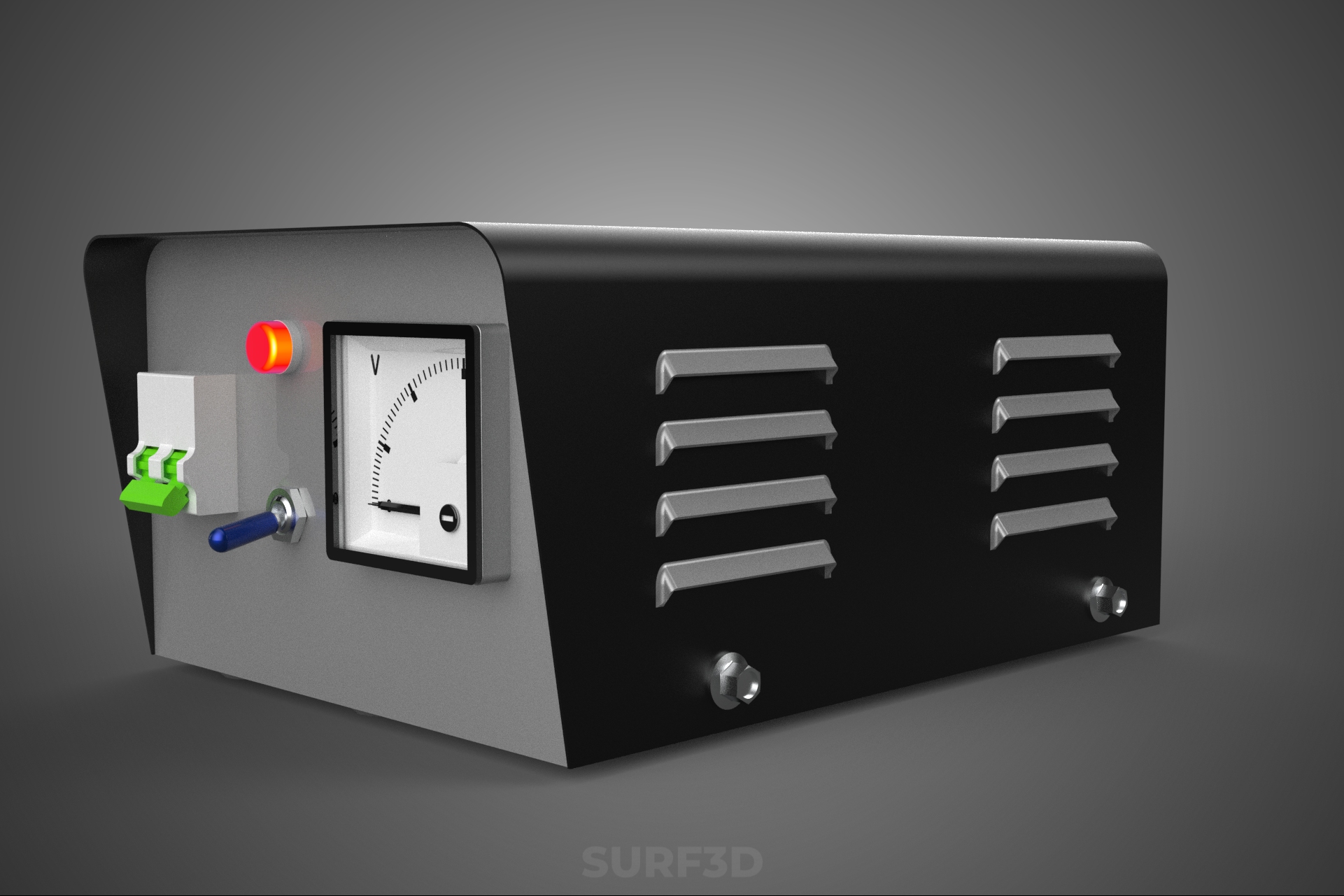
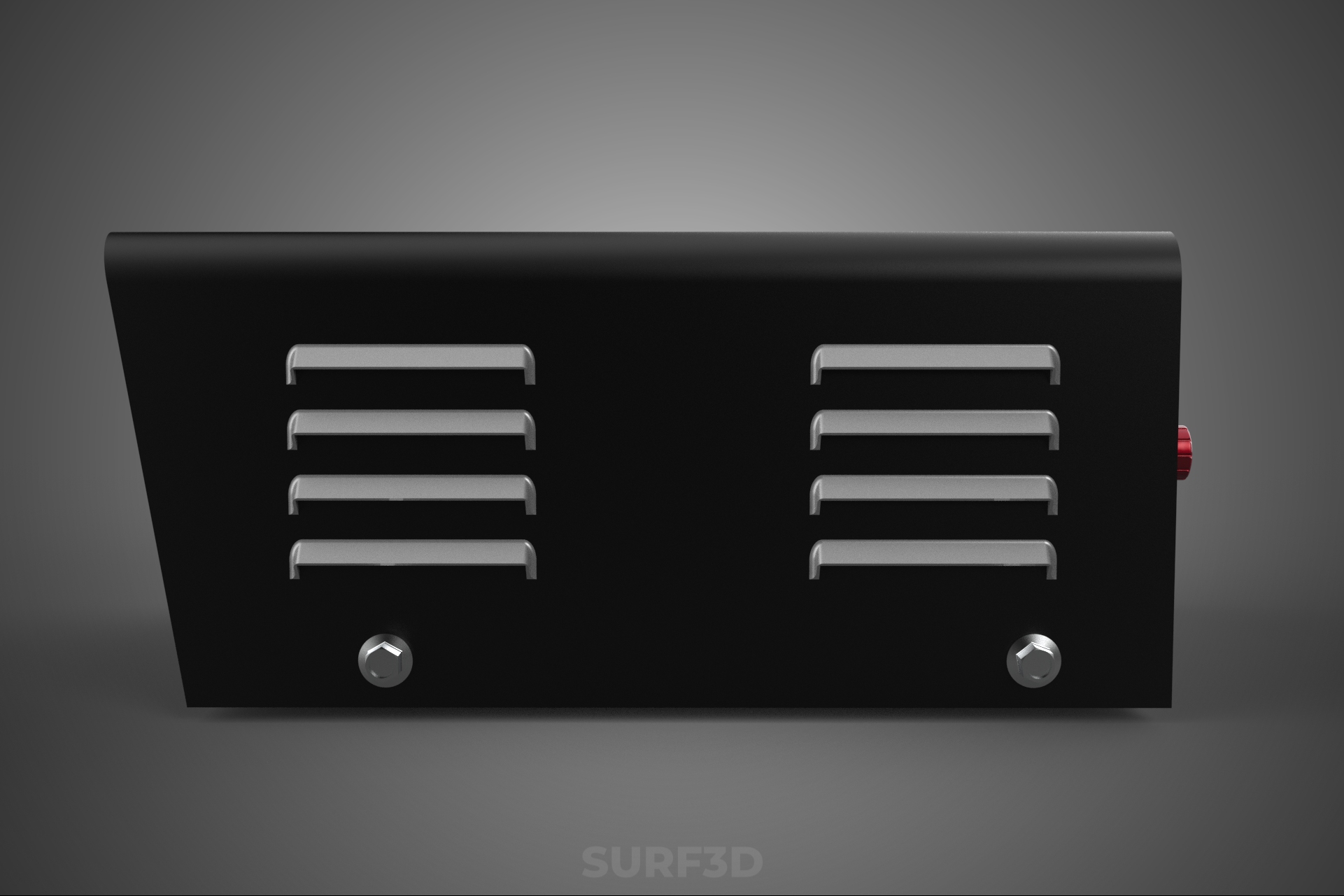
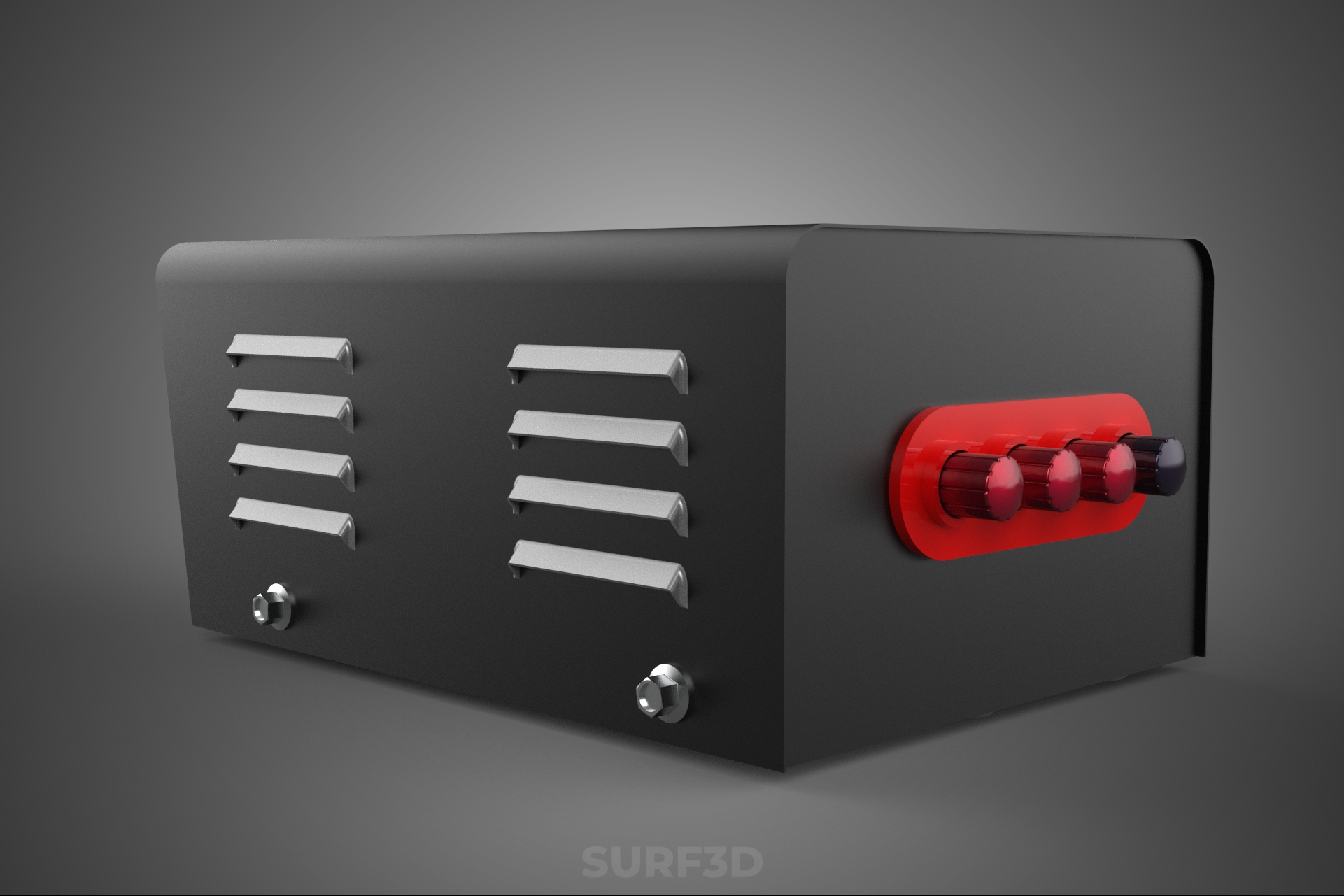
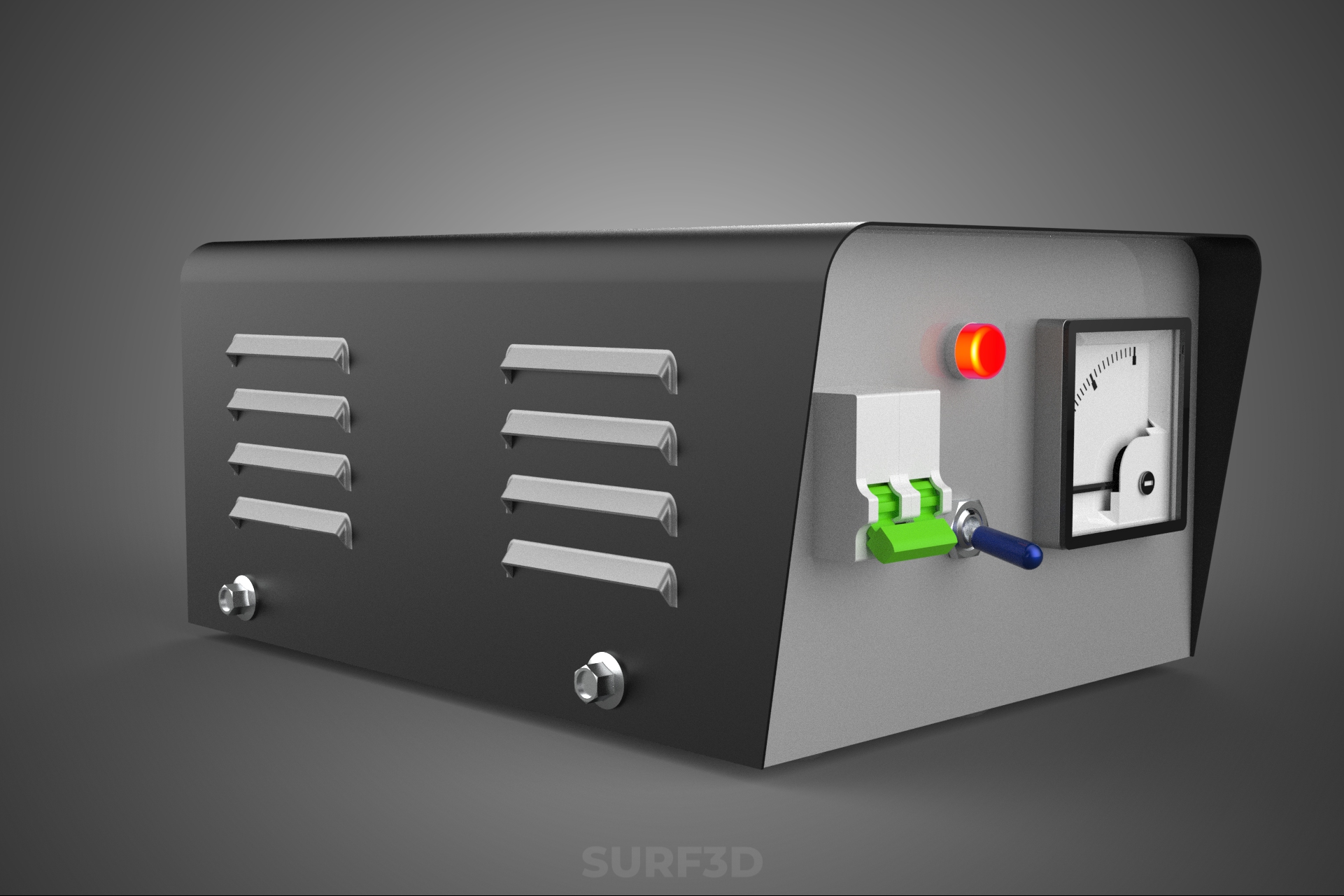
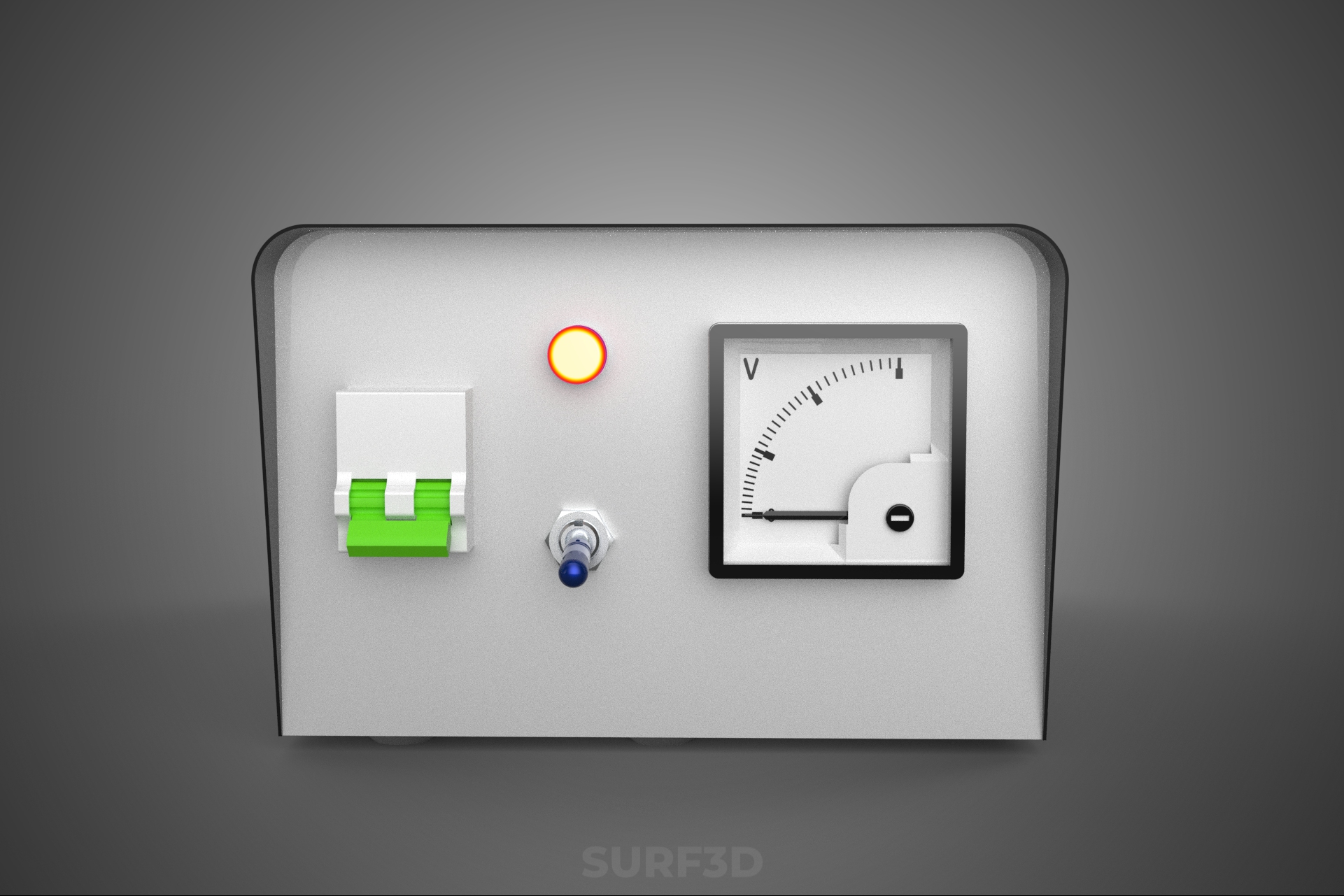
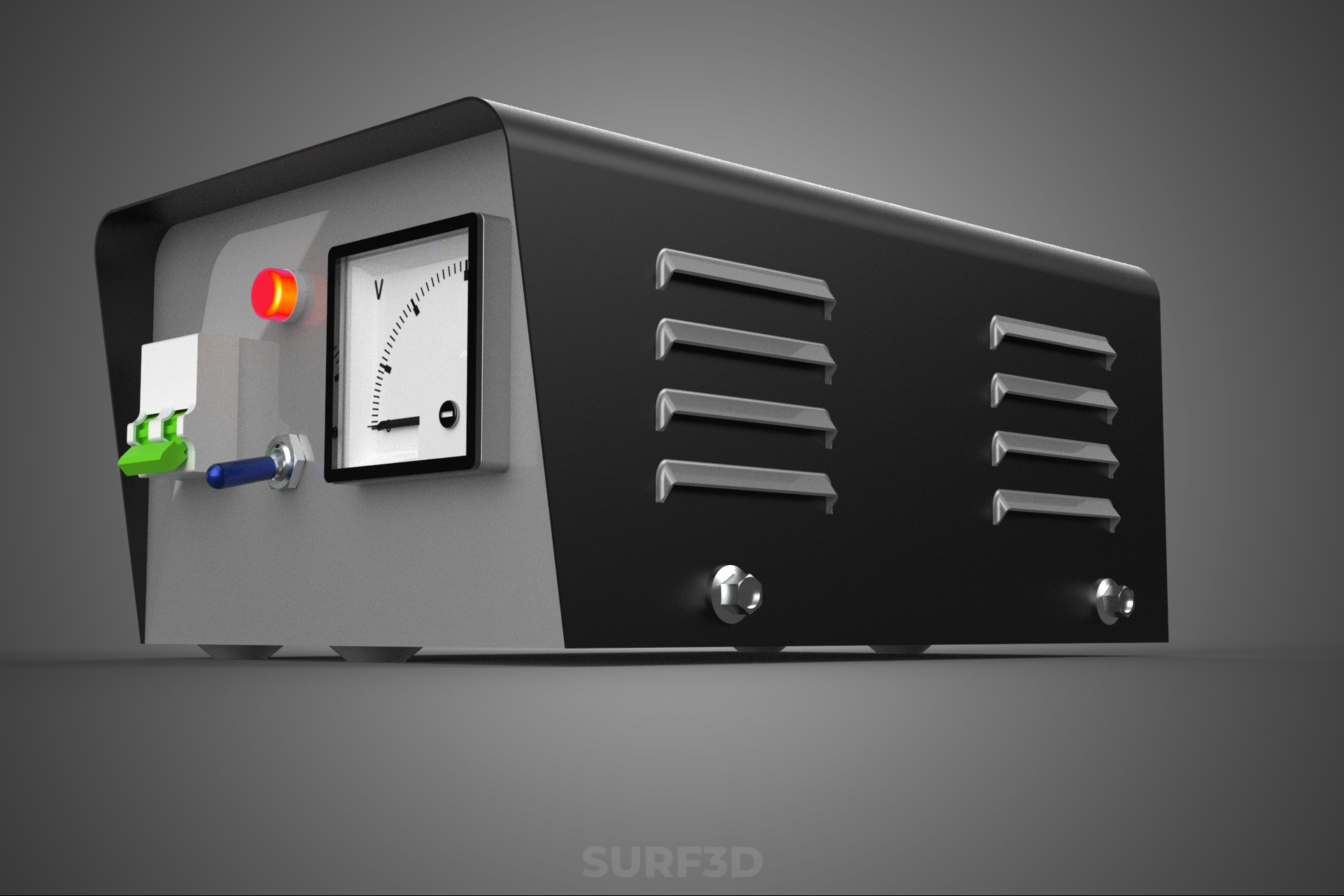
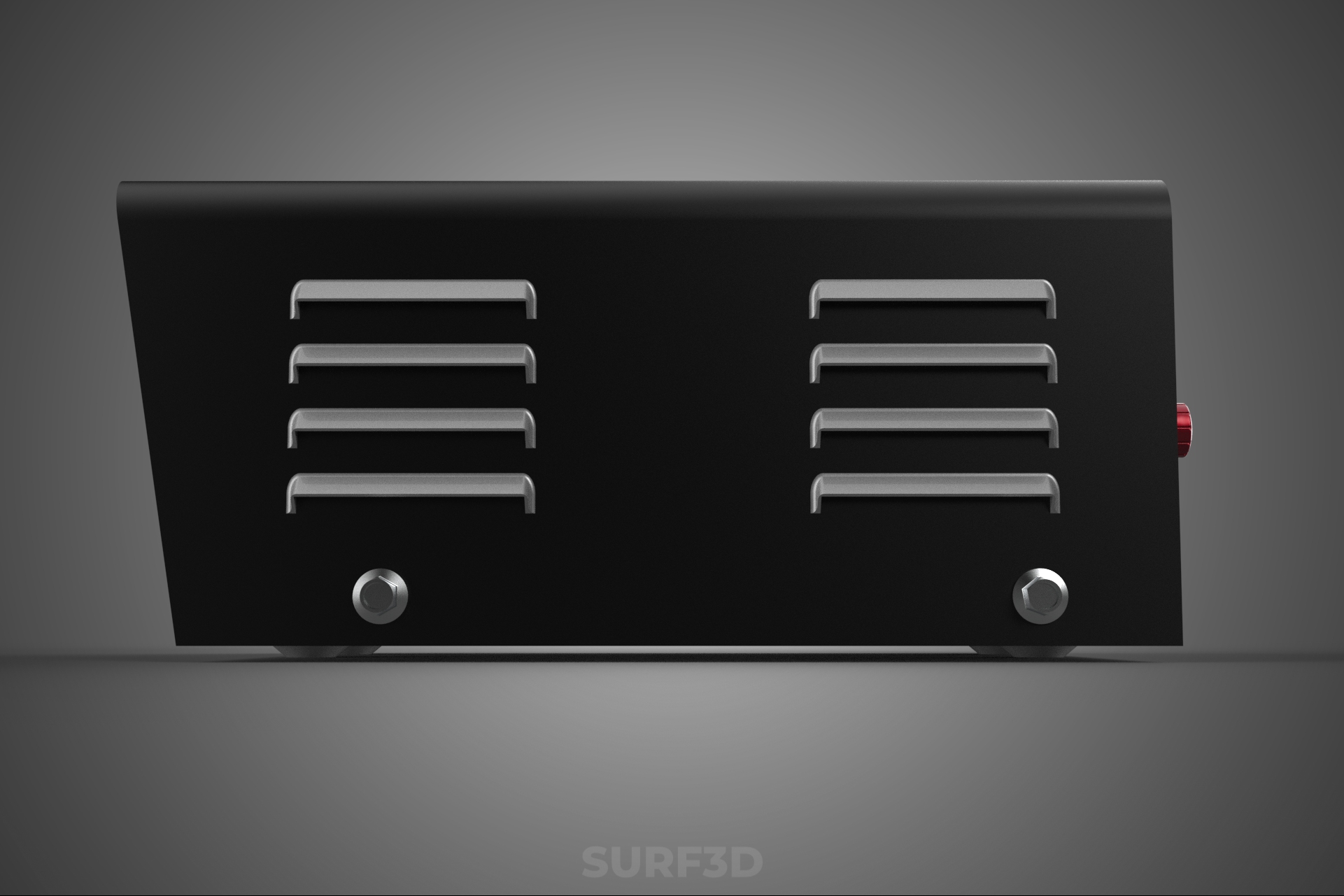
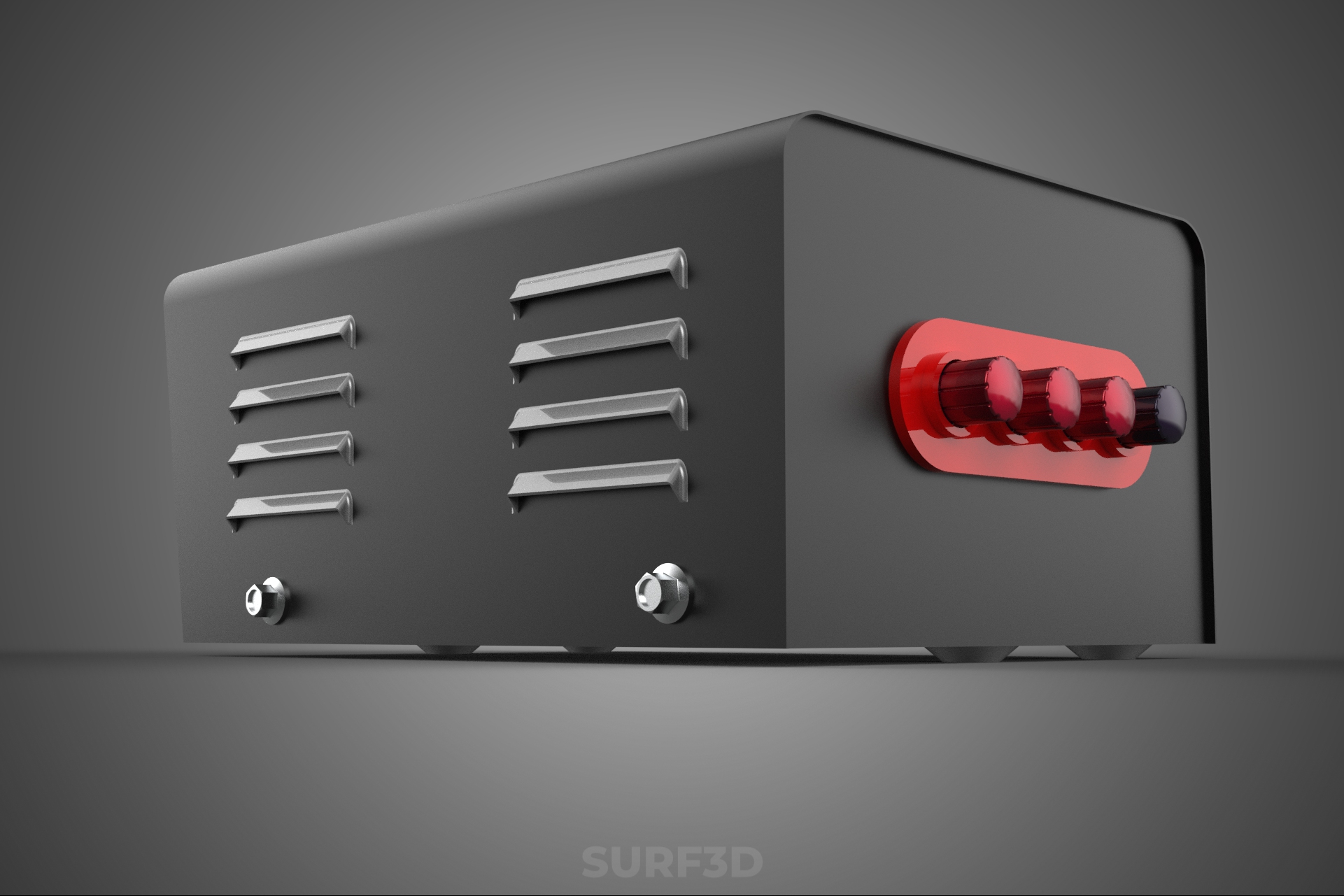
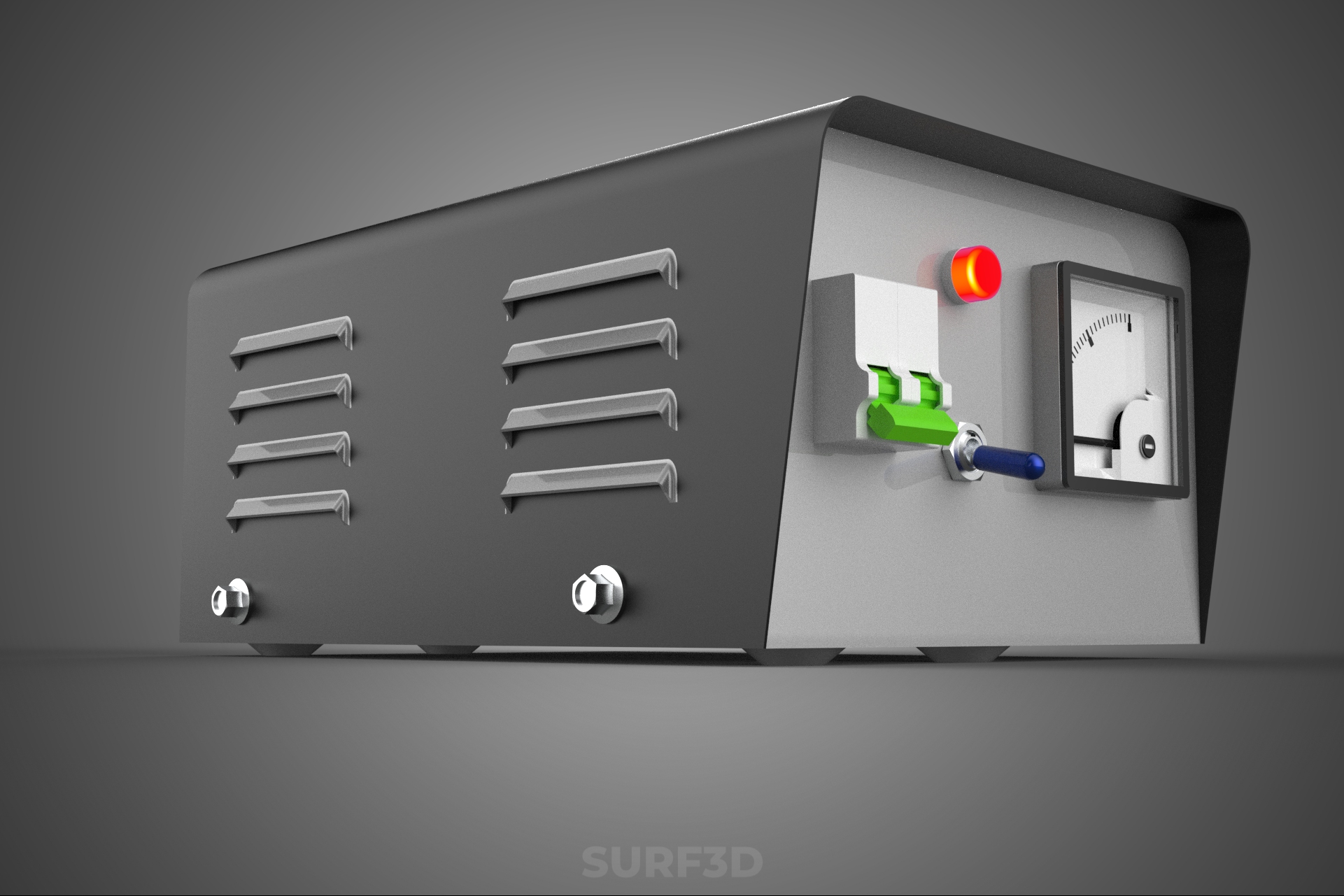
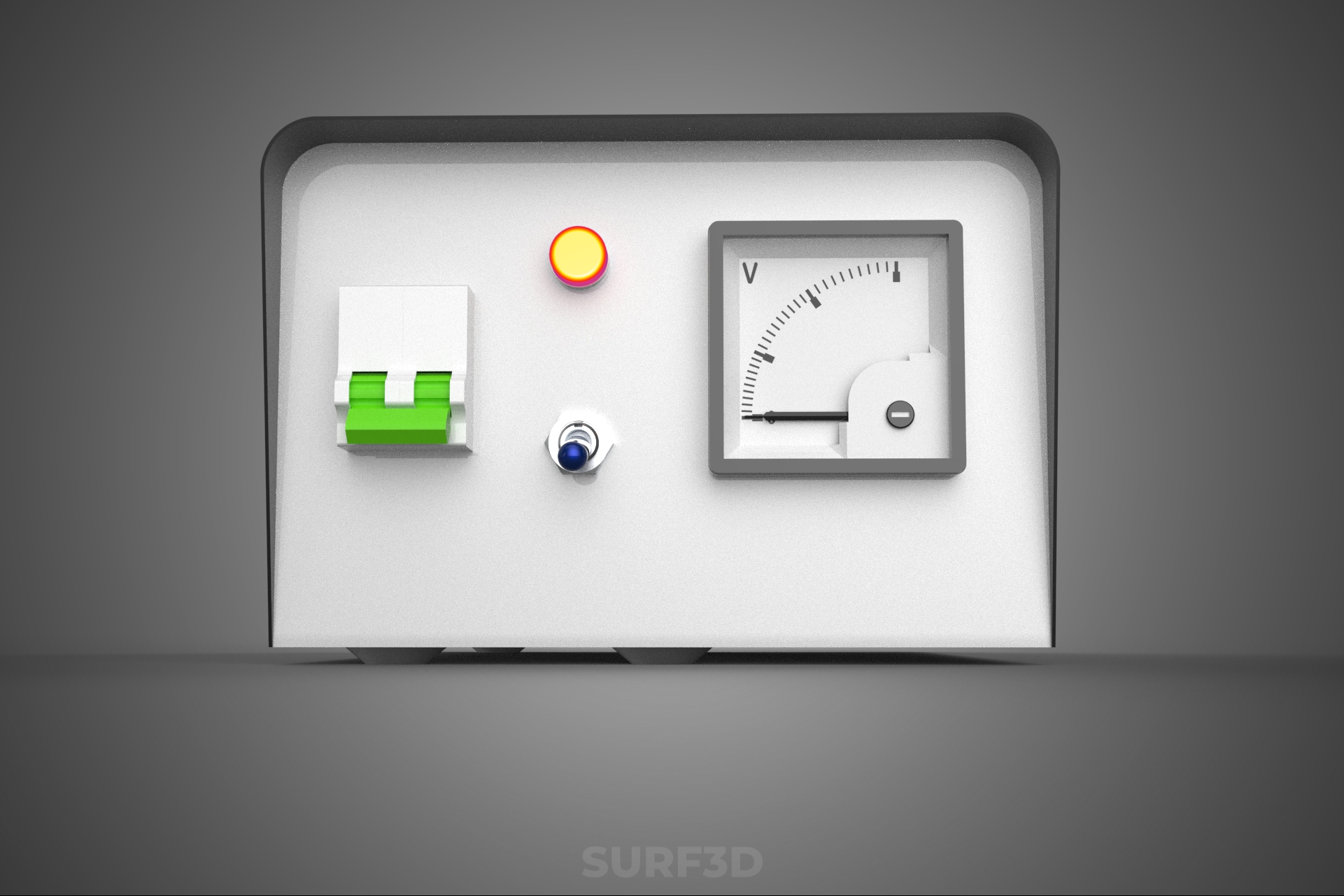
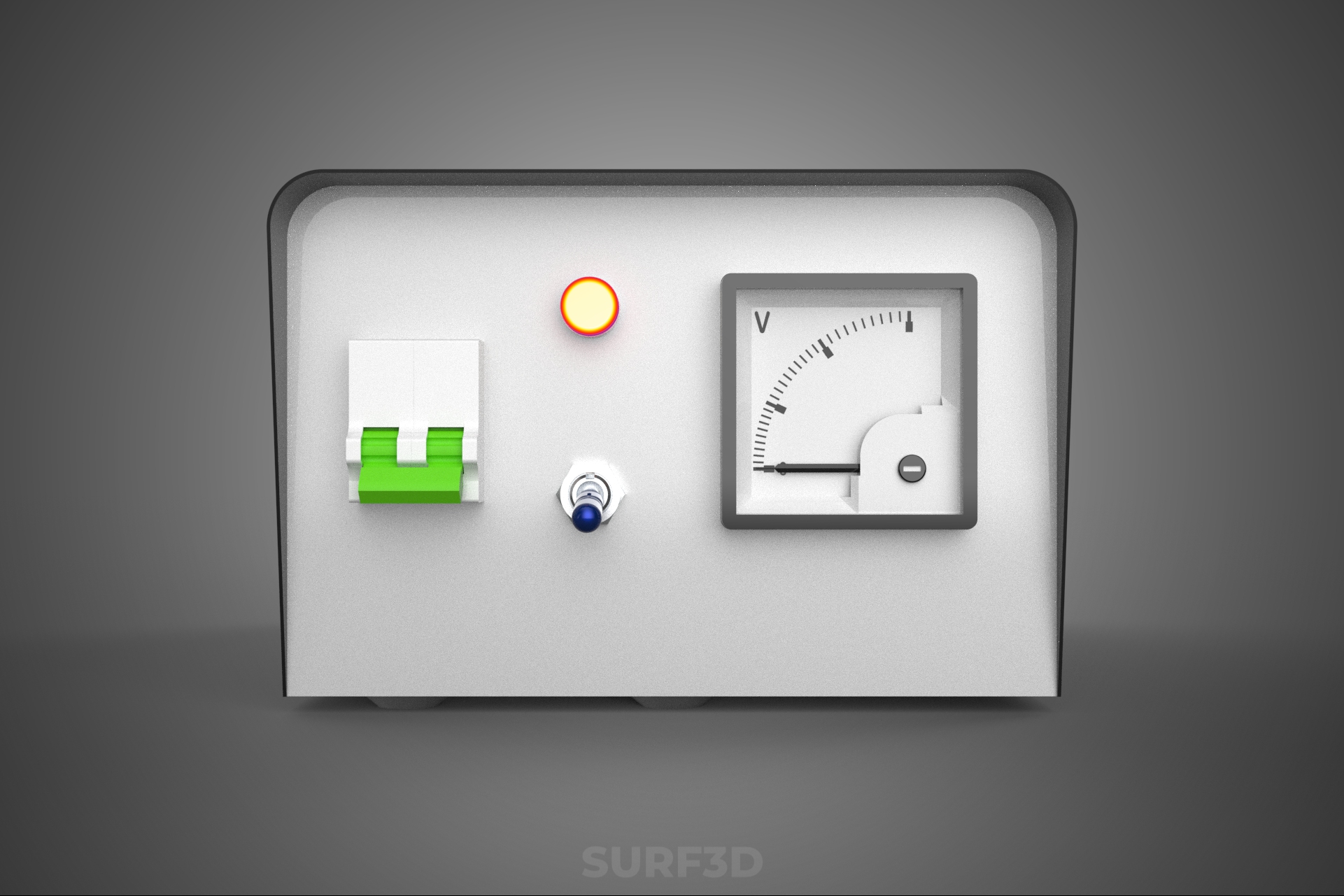
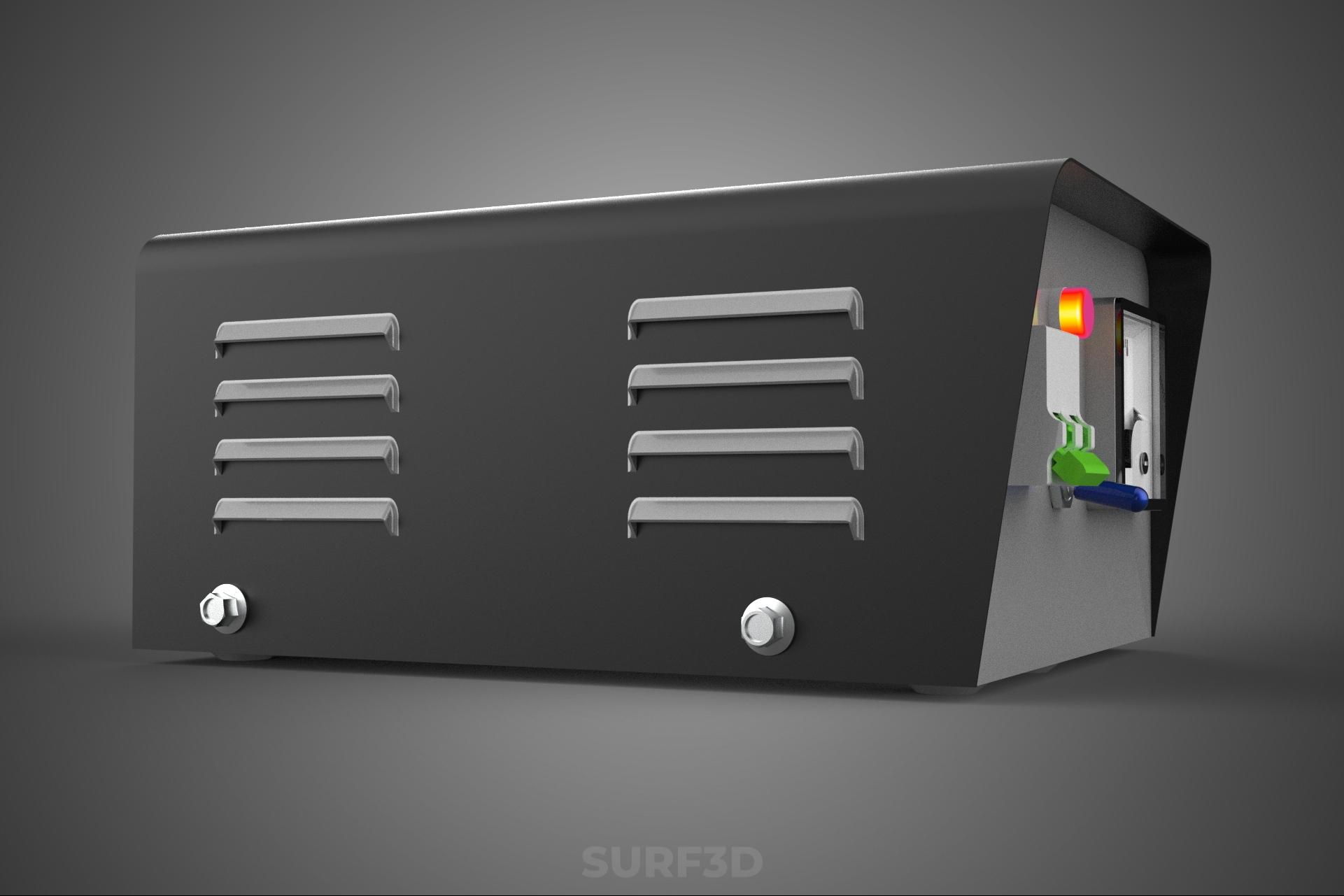
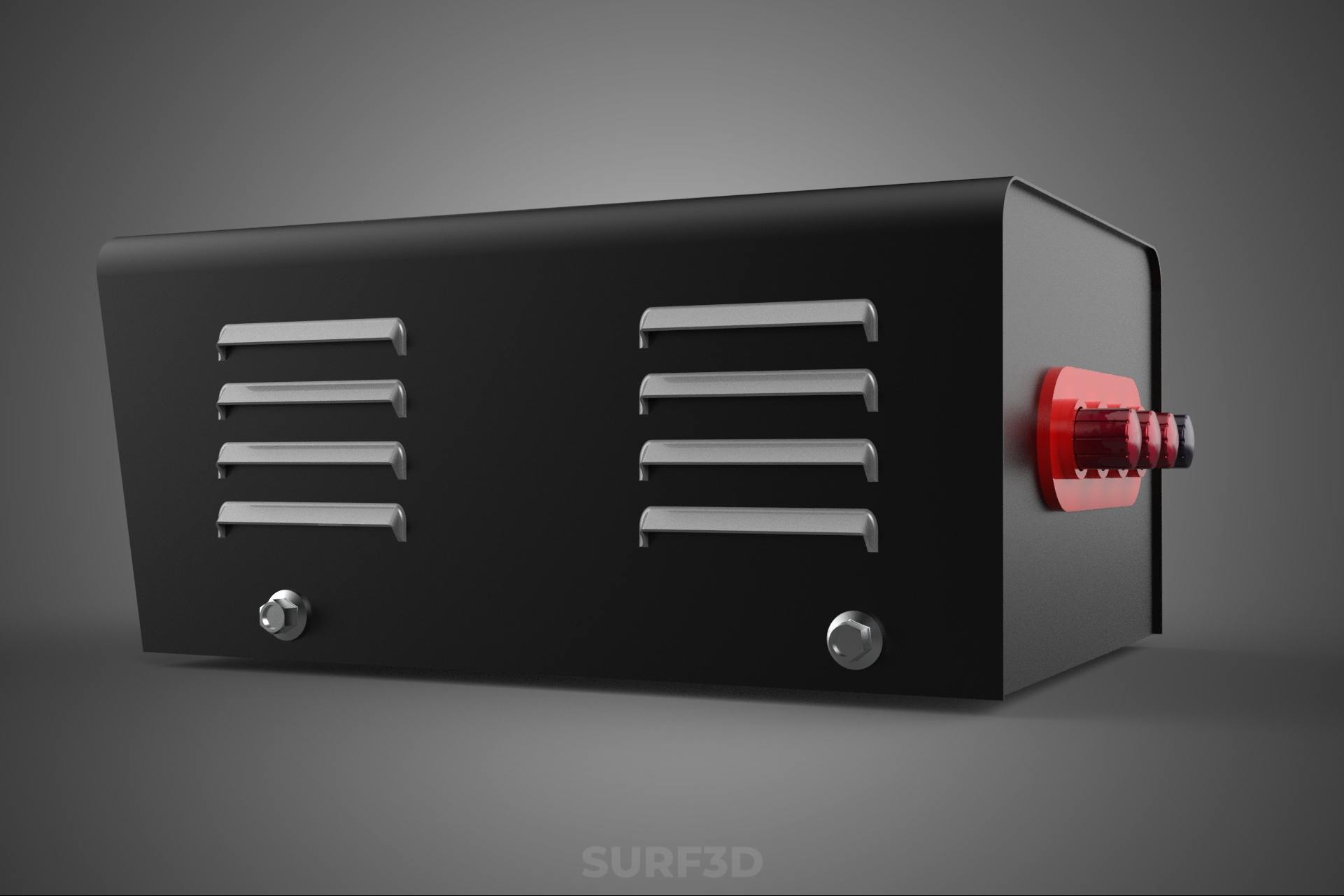
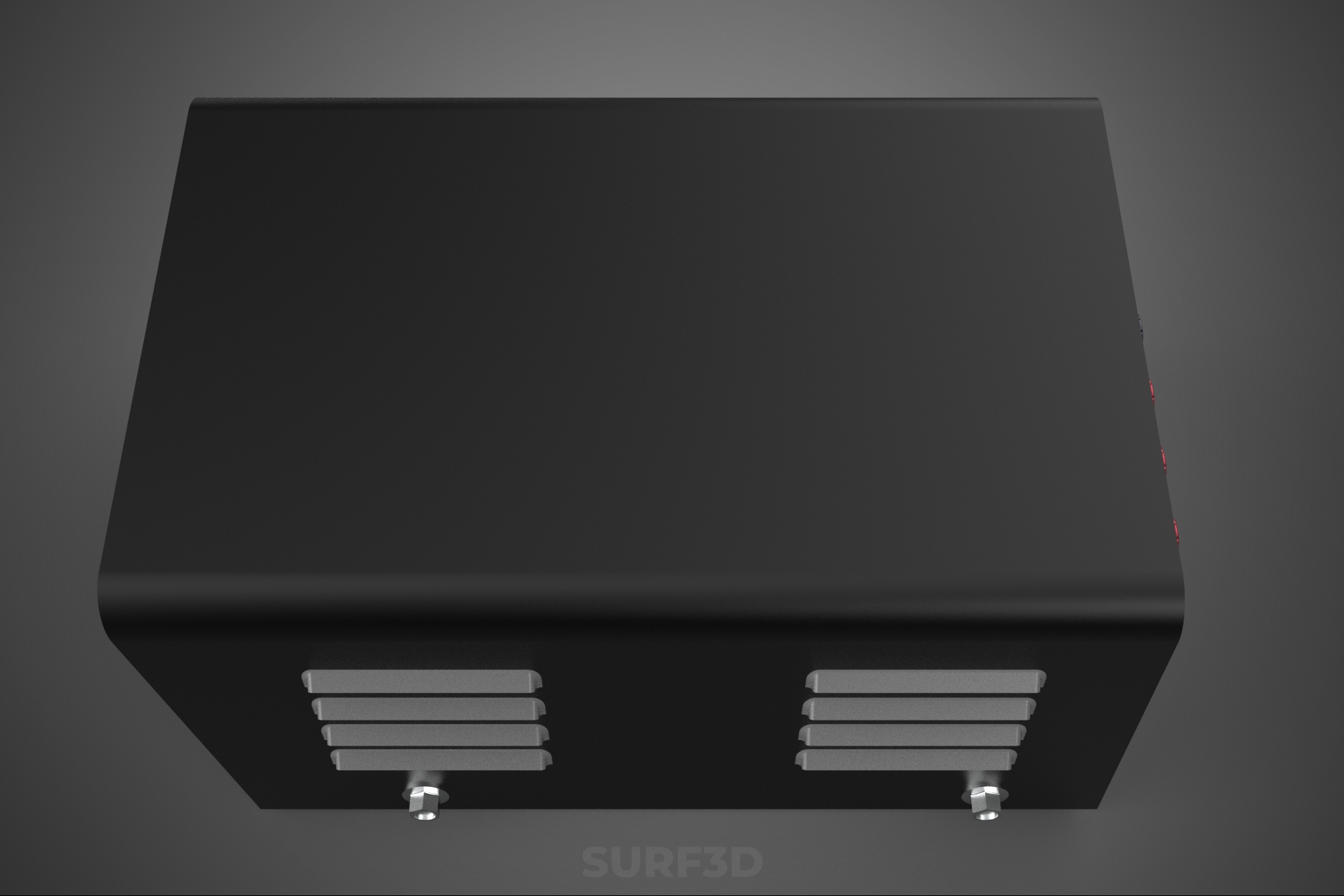
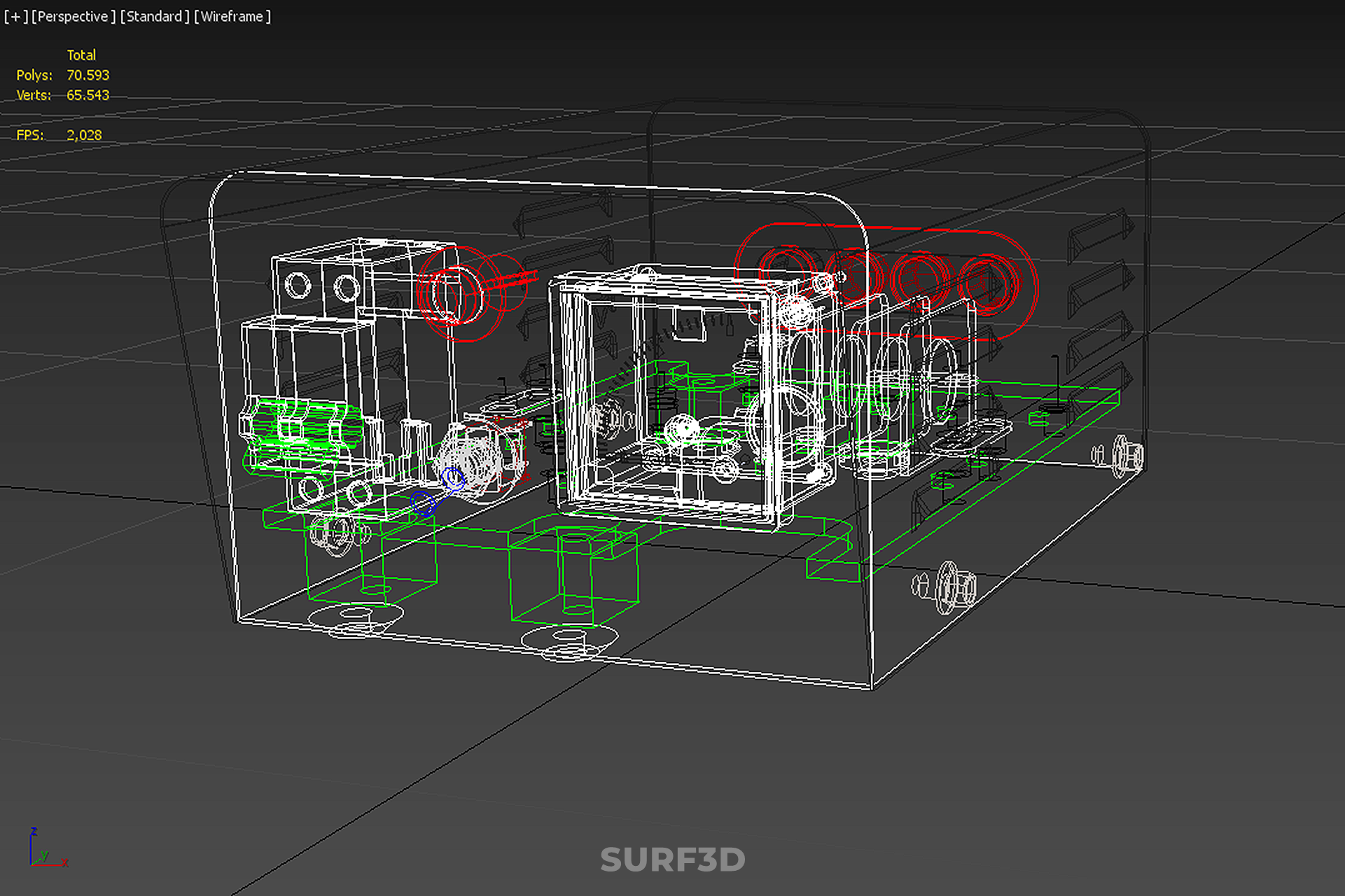
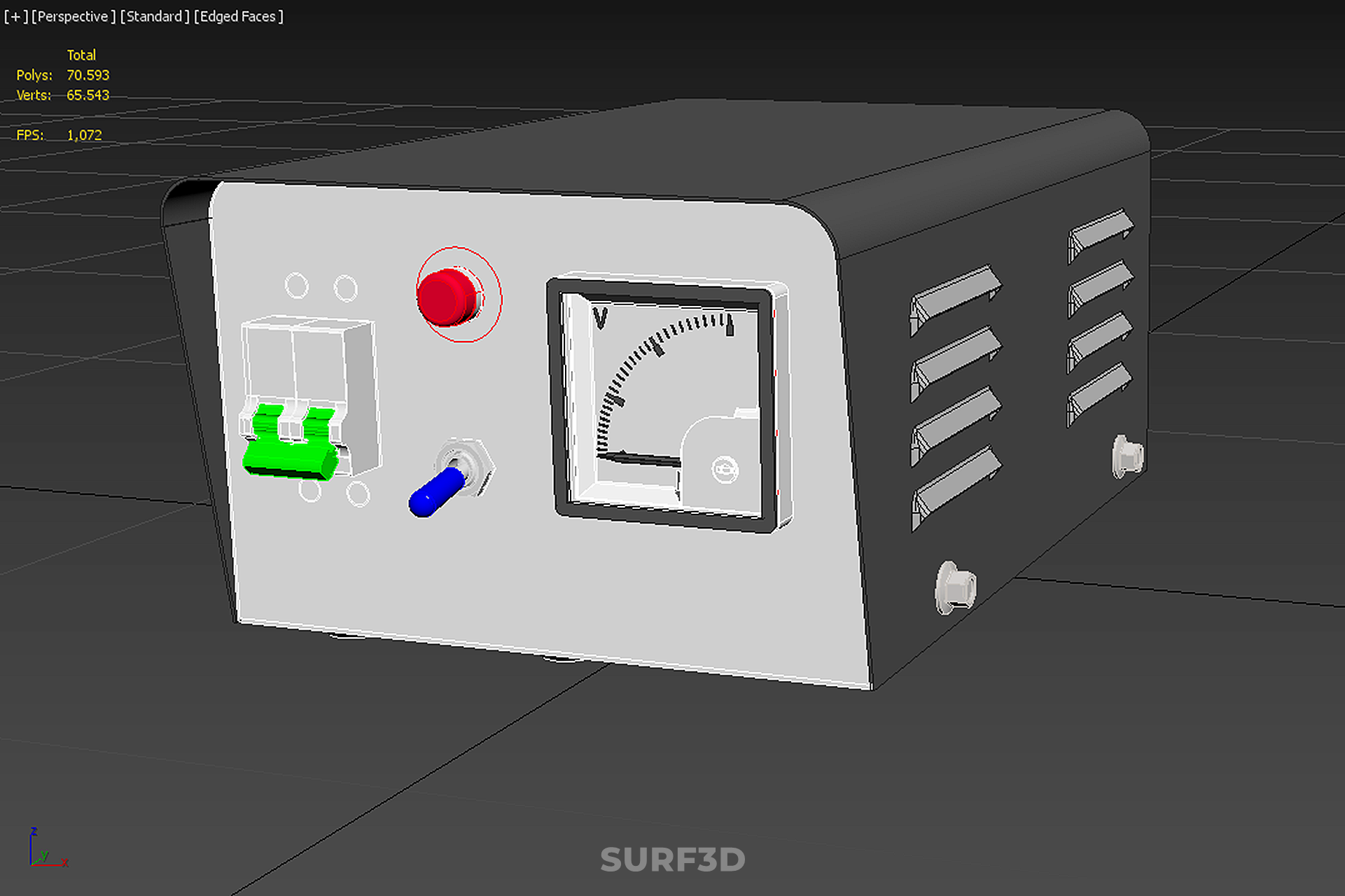
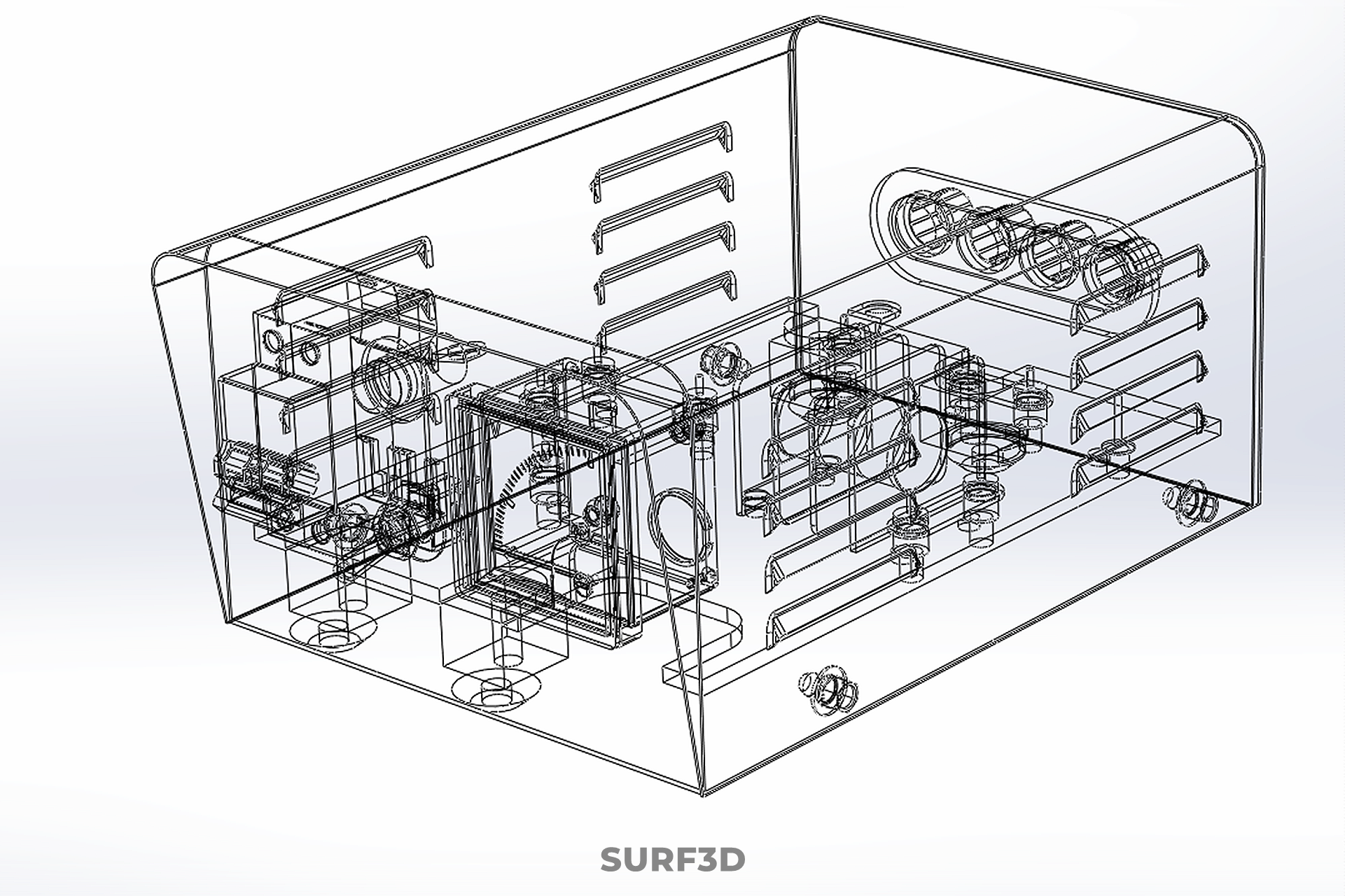
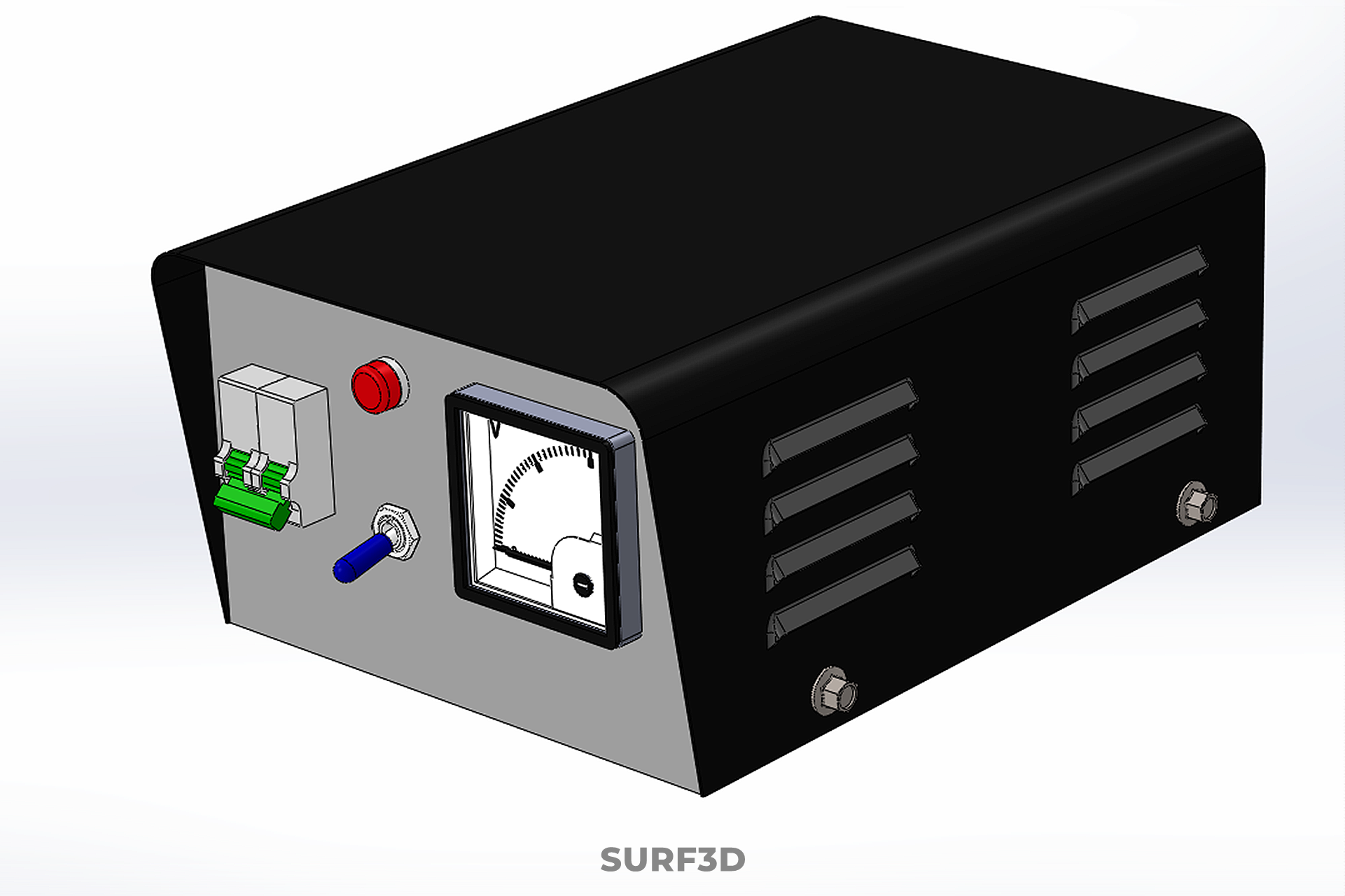
The apparatus designated as an “Electric Control Box Voltmeter Regulator Controller Panel Dynamo” refers to an integrated, typically self-contained electrical management system designed to govern the output of a direct current (DC) generator, historically known as a dynamo. This assembly serves the fundamental purpose of stabilizing electrical power generation, preventing system overvoltage, and protecting the storage battery and associated loads from reverse current flow. Such systems were ubiquitous in automotive, marine, and early industrial machinery reliant on DC power infrastructure before the widespread adoption of alternating current (AC) alternators rectified to DC.
### Structural and Functional Components
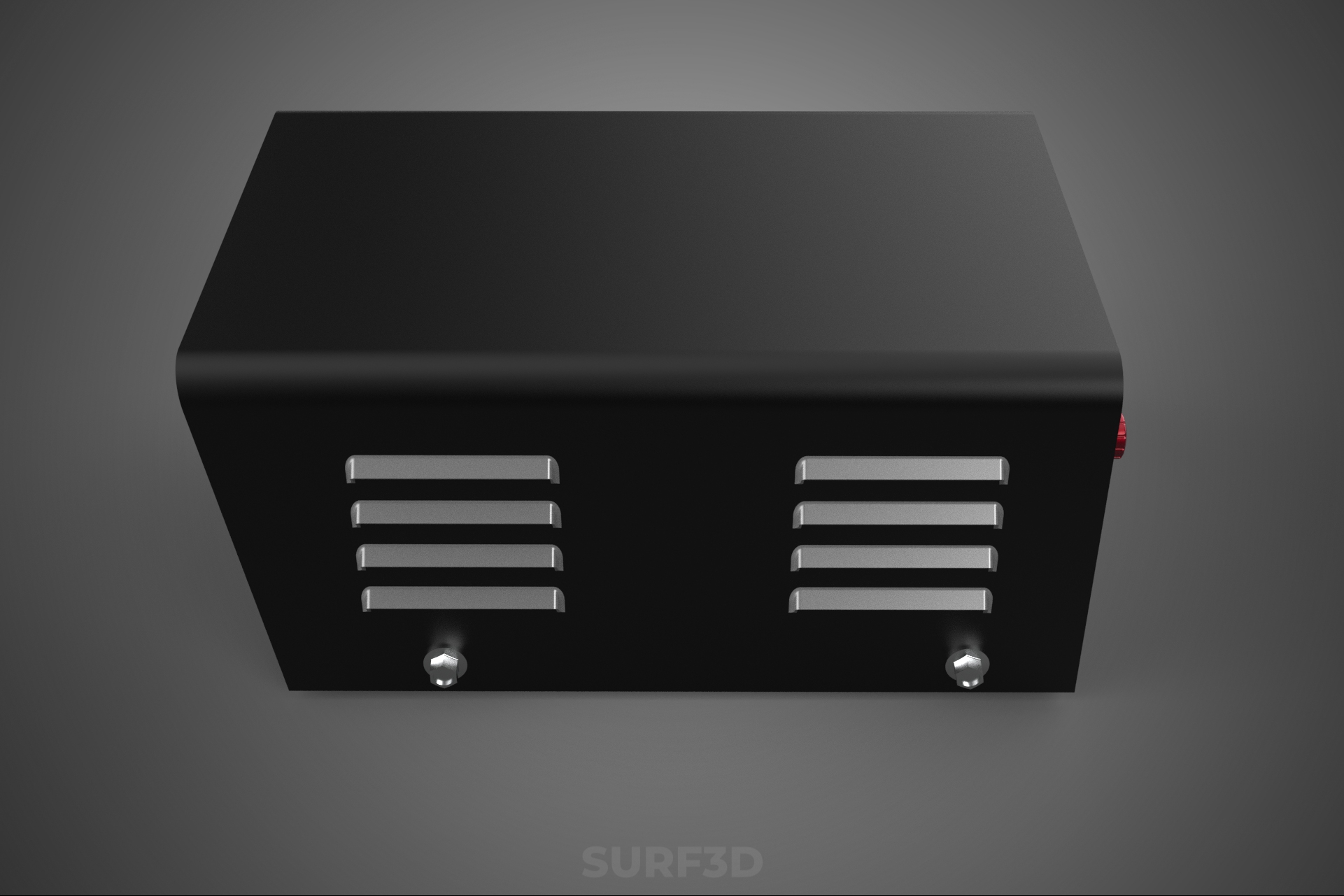
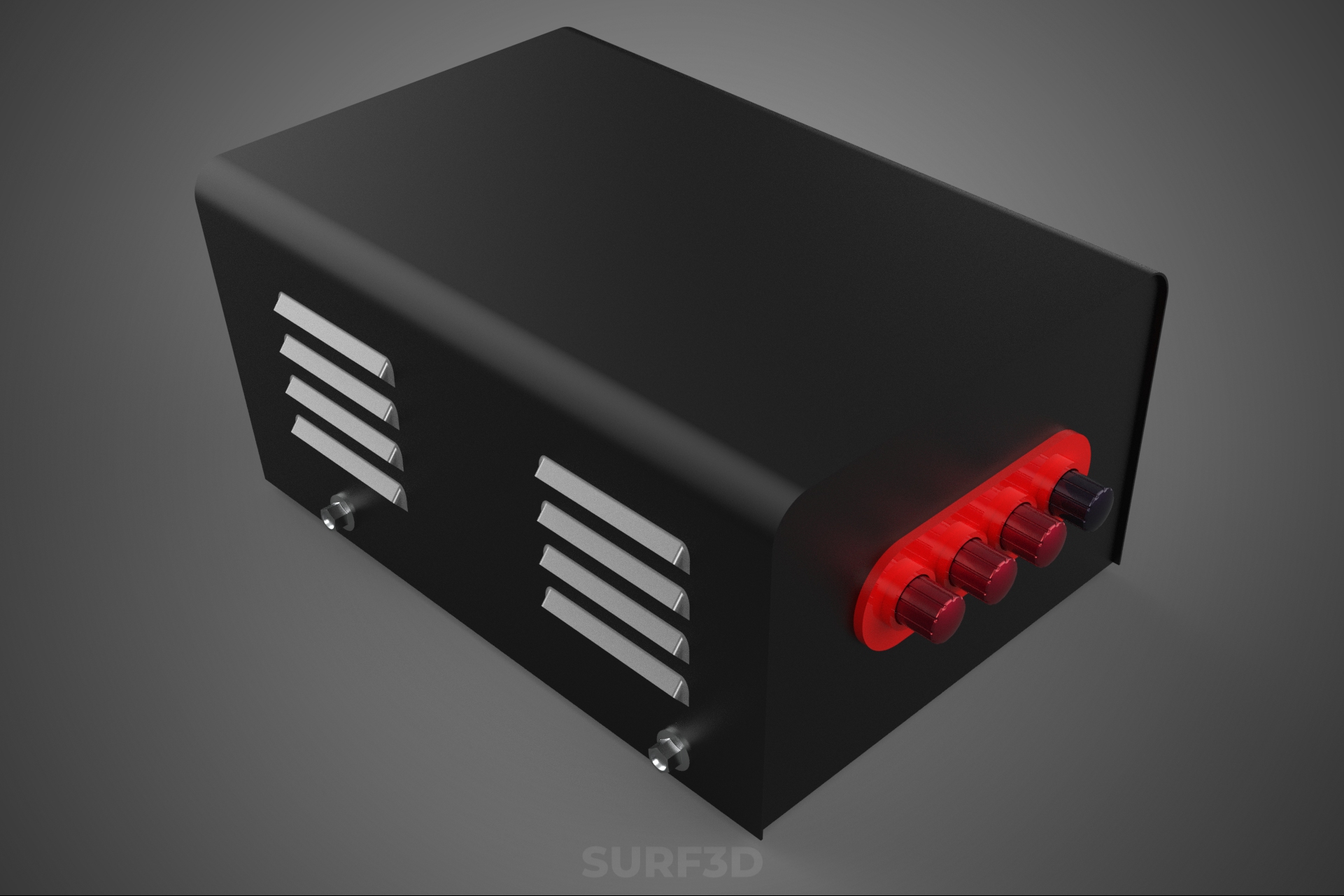
The assembly integrates several critical components, often housed within a rugged, dust-resistant metal or composite Control Box:
#### 1. Dynamo (DC Generator)
The dynamo is the primary source of electrical energy. Operating on the principle of electromagnetic induction, it converts mechanical rotation (typically driven by an engine or motor) into DC electrical power. Its output voltage is inherently variable, fluctuating significantly with rotational speed and electrical load. The control box exists specifically to mitigate this inherent variability.
#### 2. Regulator/Controller
The Voltage Regulator is the central management mechanism of the control box. In classic designs, this component is an electromechanical device employing one or more relays, windings, and sets of contact points. Its function is to modulate the magnetic field strength of the dynamo. When the system voltage exceeds a preset maximum threshold (e.g., 14.4 volts for a 12-volt system), the regulator momentarily inserts a resistance into the dynamo’s field circuit, thus weakening the magnetic field and decreasing the generated voltage. This process occurs rapidly, maintaining the output voltage within a tight tolerance band irrespective of engine speed.
Modern or retrofitted units may employ solid-state electronic regulators, which perform the same function with greater precision and reliability, often utilizing transistors or pulse-width modulation (PWM) techniques to manage field current.
#### 3. Cut-Out Relay (Reverse Current Controller)
A crucial function often incorporated into the regulator unit is the Cut-Out Relay, or Reverse Current Relay. This relay acts as an automatic switch between the dynamo and the battery/load circuit. When the dynamo spins up and its generated voltage surpasses that of the battery, the relay contacts close, connecting the dynamo to the system. Conversely, when the dynamo slows down (e.g., when the engine idles or stops), and the dynamo voltage drops below the battery voltage, the relay instantaneously opens the circuit. This prevents the battery from discharging back through the dynamo windings, which would drain the battery and potentially damage the dynamo.
#### 4. Voltmeter Panel
The Voltmeter, situated on the Controller Panel, is the primary diagnostic and monitoring interface. It provides the operator with a continuous, real-time indication of the system voltage. This metric is essential for assessing system health:
* An appropriate reading indicates effective regulation and proper battery charging.
* A low reading may signal a fault in the dynamo, excessive load, or a failed cut-out relay (allowing reverse current).
* An excessively high reading indicates a failure of the voltage regulator to limit field current.
### Operational Integration
The entire assembly functions as a coordinated system. The dynamo provides raw power, the regulator stabilizes the voltage under dynamic conditions, the cut-out relay manages directional current flow, and the voltmeter provides crucial monitoring feedback. Terminals on the control box facilitate connections to the dynamo armature (A), the dynamo field (F), the battery (, and the earth/ground (E). This centralization of control minimizes wiring complexity and protects sensitive components within a single, robust housing.
While dynamos and their associated electromechanical control boxes have largely been superseded by alternators and solid-state regulators in contemporary transportation and power generation, these units remain critical in the maintenance, restoration, and operation of historic vehicles and legacy industrial equipment.
KEYWORDS: Dynamo, DC Generator, Voltage Regulator, Control Panel, Cut-Out Relay, Electromechanical, Field Current, Armature, Electrical System, Reverse Current, Voltmeter, Battery Charging, Generator Controller, DC Power, Relay System, Dynamo Regulation Box, Automotive Electric, DC Circuit, Circuit Protection, Dynamo Control Unit, Brush Gear, System Monitoring, Power Stabilization, Alternator Predecessor, Load Management, Electrics, Controller Panel, Resistance, Winding, Contact Points.